
Planning Structural Works in Phases
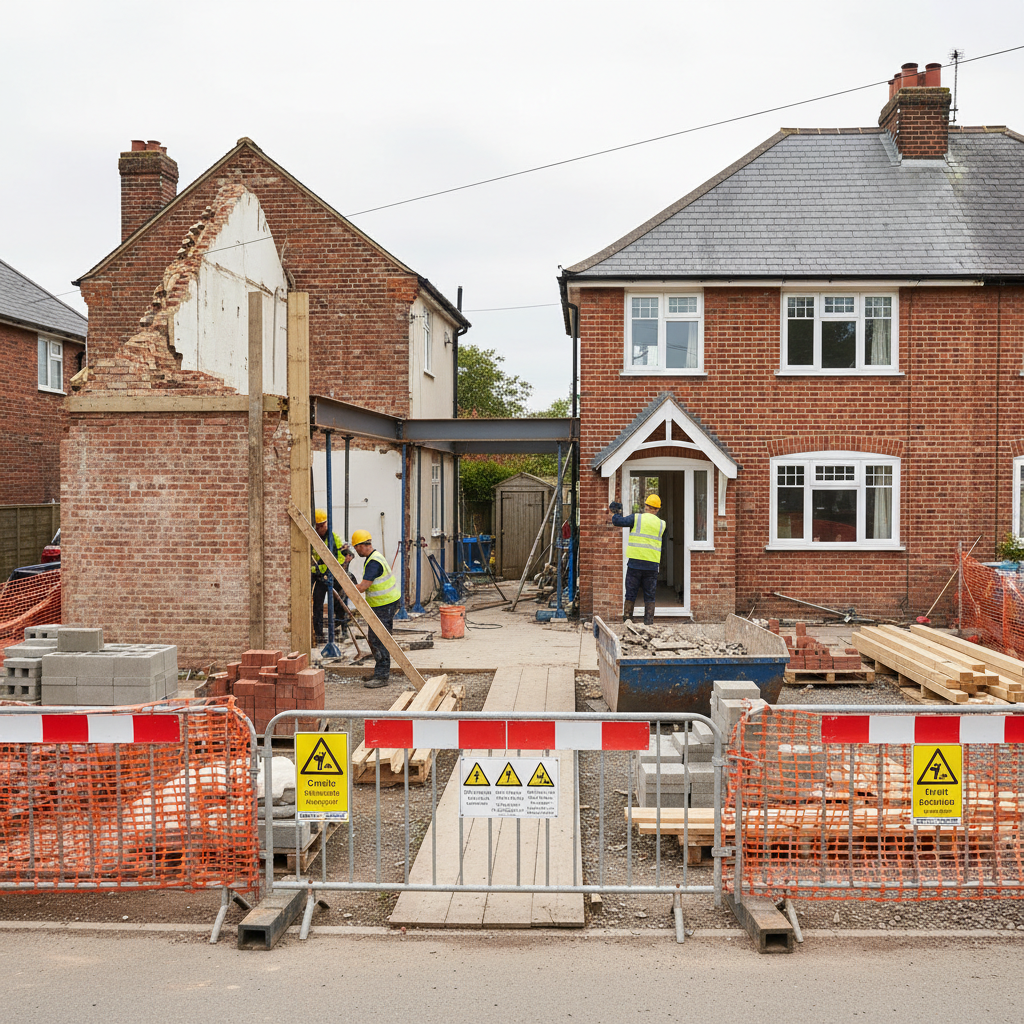
Phased structural work is becoming increasingly common as homeowners seek to minimise disruption and manage costs while renovating properties. Breaking down a structural project into logical phases requires careful planning to ensure that each stage can be completed safely without compromising the integrity of the overall structure.
Key Highlights
These essential points will help you understand how to effectively phase structural works:
- Proper sequencing ensures structural stability throughout all construction phases
- Temporary support systems are critical during transitional construction stages
- Phasing can reduce living disruption but may increase overall project costs
- Each phase needs its own set of detailed structural calculations and drawings
- Regular engineering inspections between phases maintain safety and compliance
Understanding Structural Sequencing
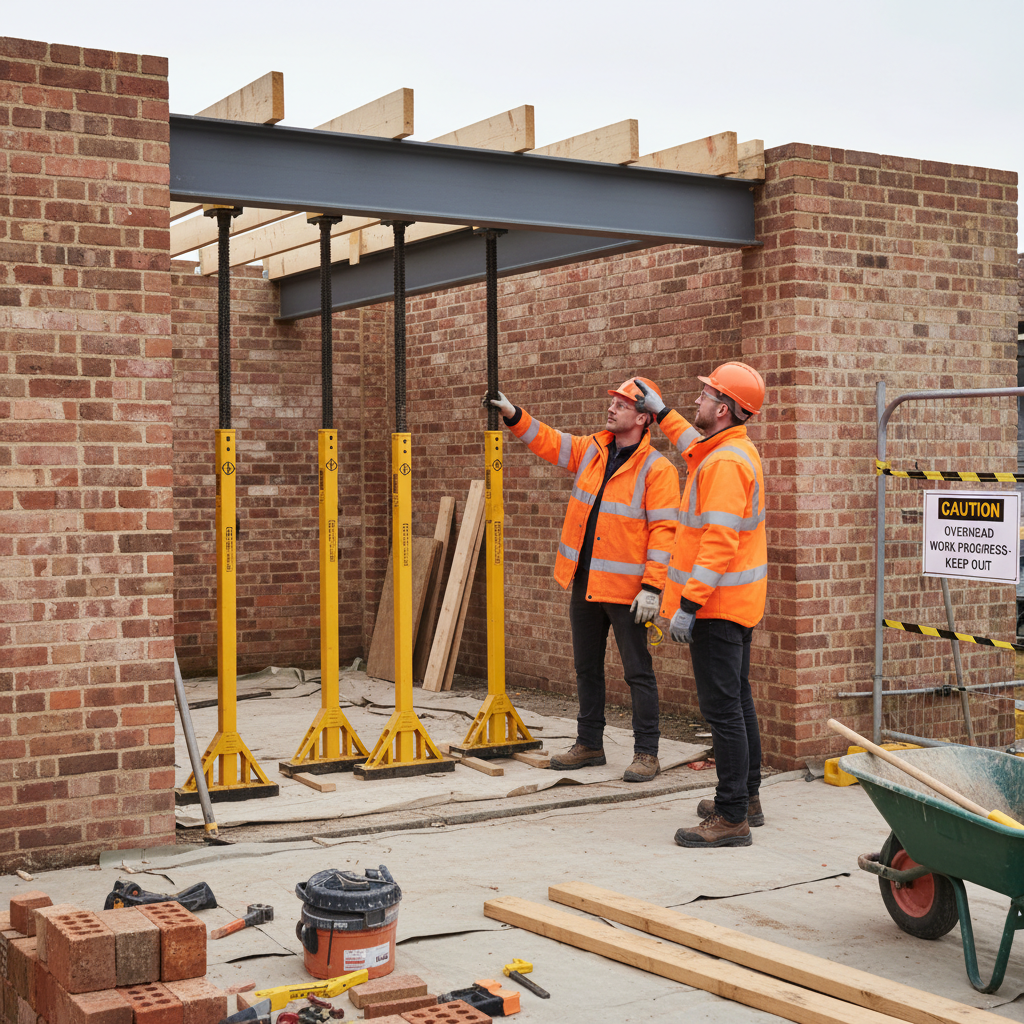
The foundation of successful phased structural work lies in proper sequencing of construction activities. Each structural element in a building works as part of an interconnected system, and altering one component inevitably affects others. A structural engineer must analyse the existing building to identify load paths and determine which elements can be temporarily modified without compromising the overall stability. This sequence planning typically begins with a comprehensive structural survey that identifies all load-bearing elements and their relationships to one another.
Creating a logical construction sequence requires understanding how forces flow through the building during each stage. For example, when removing a load-bearing wall, temporary supports must be installed before demolition begins, and new structural elements must be fully operational before those temporary supports are removed. According to the Institution of Structural Engineers, this critical path approach ensures that structural integrity is maintained at all times, even during transitional phases. When planning extensive renovations, the sequence often progresses from foundation work upward, allowing each level to properly support the changes being made above it.
Managing Temporary Support Systems
Temporary structural supports serve as the safety net during phased construction work, bridging the gap between demolition and the installation of permanent structural elements. These systems require careful engineering calculations to ensure they can adequately carry all loads during the transition period. Common temporary support methods include steel needles, props, shores, and temporary frames that redistribute loads while permanent structural changes are implemented.
The design of temporary works demands the same level of engineering rigor as permanent structures, as noted in the Health and Safety Executive guidance on temporary works. Each support system must be properly sized, positioned, and connected to transfer loads safely to the ground or other stable elements. Regular structural inspections during construction are essential for verifying that temporary supports remain effective as work progresses. These inspections should occur at critical milestones such as after the installation of temporary supports, before removing any significant structural elements, and prior to removing temporary supports once new structural elements are in place.
Detailed Engineering for Each Phase

Each phase of a structural project requires its own comprehensive set of engineering calculations and drawings. These documents must account for both the permanent state of the structure after completion and the interim conditions during construction. The calculations need to demonstrate that the building remains stable during all transitional states, considering unusual load paths that may exist temporarily. This level of detail ensures that contractors have clear guidance on implementation sequencing and safety requirements.
The drawings for phased structural work must include specific information about temporary works, including their locations, specifications, and installation requirements. British Standard BS 5975 provides guidance on the design and management of temporary structures systems that should be followed during phased construction. The documentation should also clearly identify hold points where construction must pause for engineering inspection and verification before proceeding to the next step. According to the Construction Industry Research and Information Association (CIRIA), these inspection stages are critical for managing risk in phased structural alterations and should be highlighted in all project documentation.
Coordination of Building Systems
Structural phasing requires careful coordination with other building systems to ensure that all elements work together harmoniously. Mechanical, electrical, and plumbing systems often interact directly with structural elements, and modifications to one can significantly impact the others. For example, new beam installations might require rerouting of ductwork or plumbing, which must be planned for in the phasing schedule to avoid conflicts or rework.
Creating a comprehensive phasing plan that includes all building systems helps identify potential clashes before they occur on site. This integrated approach to phasing is particularly important in occupied buildings where services must remain operational throughout construction. The Royal Institute of British Architects (RIBA) recommends that project teams use Building Information Modelling (BIM) to visualize and coordinate phased structural work with other systems. This coordination extends to ensuring buildability at each stage, making sure that construction access and working space are factored into the phasing decisions.
Cost Implications of Phased Construction

While phasing structural work can provide practical benefits like minimized disruption, it typically carries additional cost implications compared to completing all work in one continuous process. These cost increases stem from several factors, including the need for temporary works, multiple mobilizations of construction crews, and extended project timelines. The Institution of Civil Engineers estimates that phasing can add between 10-25% to overall project costs, depending on project complexity and the number of phases.
Understanding these financial trade-offs is essential for making informed decisions about project phasing. Value engineering approaches can help optimize the phasing plan to balance cost efficiency with practical considerations. For instance, grouping structural interventions that affect the same area of the building into a single phase can reduce the need for repetitive temporary works and multiple contractor visits. Careful cost-benefit analysis of different phasing options, conducted early in the planning process, allows property owners to make informed decisions that align with both their budgetary constraints and practical needs.
Quality Assurance Between Phases
Maintaining consistent quality across multiple construction phases requires a robust inspection and documentation regime. Each phase should conclude with a formal engineering inspection to verify that all work has been completed according to specifications before subsequent phases begin. This inspection should be documented with photos, measurement records, and formal sign-offs to create a clear audit trail of compliance.
The transition between phases represents a particularly vulnerable point where quality issues can arise if not properly managed. The Construction Industry Council recommends developing a specific quality control plan for phase transitions, including verification of structural element installation, testing of connections, and confirmation that temporary works can be safely removed. Maintaining consistent communication between design teams, contractors, and inspectors throughout the phased work helps ensure that quality standards are maintained from start to finish. This continuity of quality control is especially important when project phases span extended timeframes or involve different contractors, as it prevents knowledge gaps and maintains adherence to the original design intent.
Conclusion
Phased structural work offers a practical approach for managing complex renovations while minimizing disruption to building occupants. The key to success lies in detailed planning that maintains structural integrity at every stage, with temporary works designed to the same standards as permanent elements. By investing in proper engineering, inspection, and coordination throughout all phases, property owners can achieve their renovation goals safely and effectively.
Sources
Institution of Structural Engineers – Technical Resources
Health and Safety Executive – Temporary Works Guidance
CIRIA – Construction Industry Research
Institution of Civil Engineers – Knowledge Resources
RIBA – Technical Knowledge Resources