
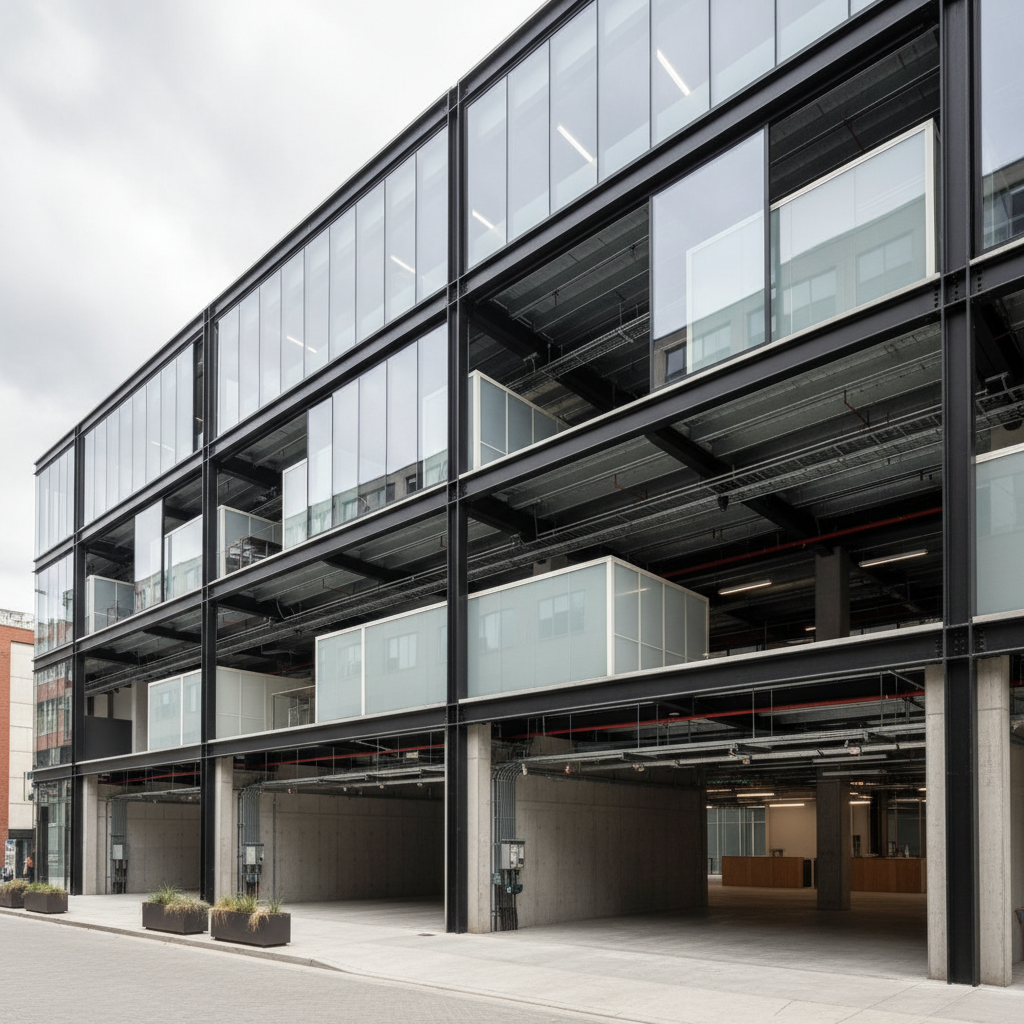
Designing for Adaptability: Future-Proofing Commercial Buildings
Modern commercial buildings must be designed to adapt to changing business needs, technological advancements, and environmental regulations over their lifecycle. The structural engineering decisions made today determine how effectively these buildings can be reconfigured, repurposed, or expanded tomorrow, significantly impacting their long-term value and sustainability.
Key Highlights
These essential elements ensure commercial buildings can adapt to future needs:
- Long-span structural systems create flexible, column-free interior spaces
- Higher floor-to-ceiling heights accommodate future mechanical systems
- Increased floor load capacity supports changing uses without structural reinforcement
- Standardized and modular structural grids simplify future modifications
- Strategic placement of service cores and vertical circulation maximizes adaptable floor area
Planning for Structural Flexibility
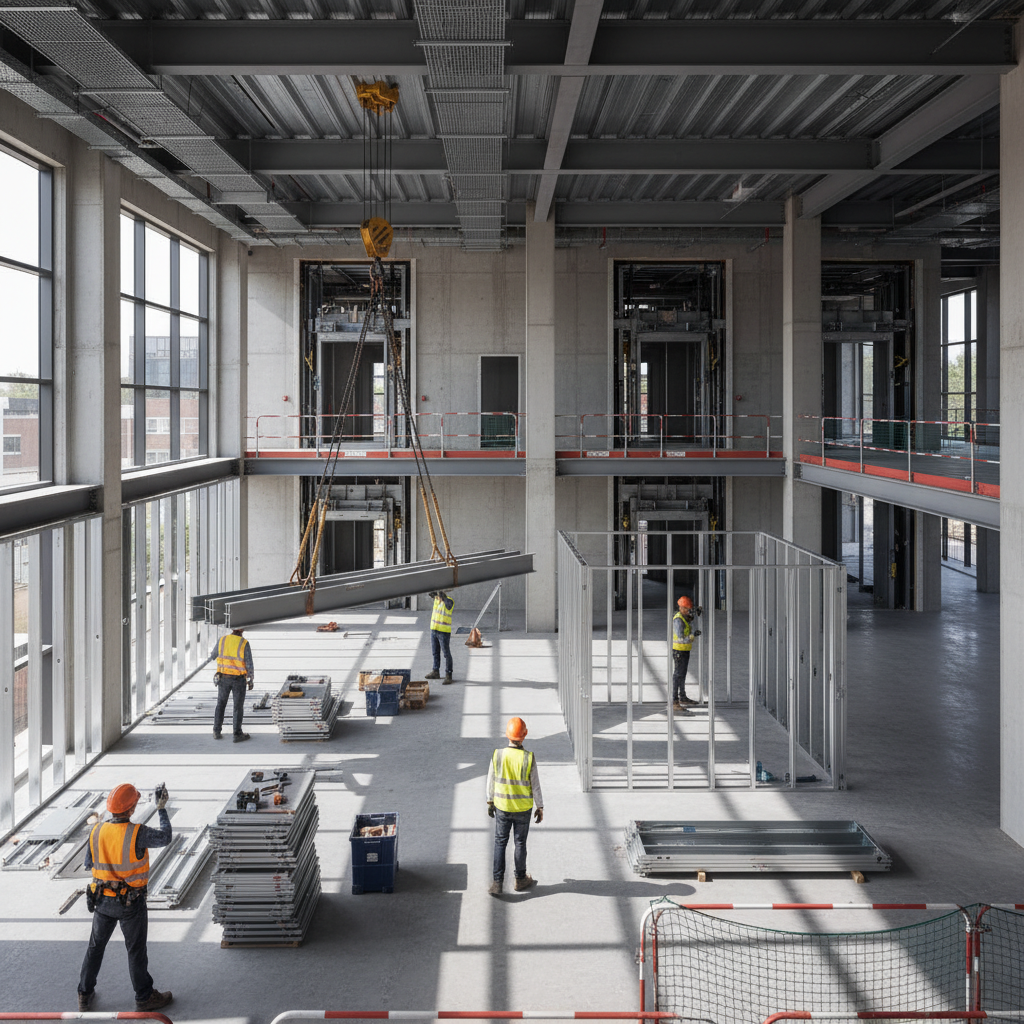
The first step in creating adaptable commercial structures involves developing a strategic structural framework that anticipates potential future changes. Engineers must consider not only immediate requirements but also how the building might need to evolve over decades. This forward-thinking approach typically begins with stakeholder workshops where building owners, architects, engineers, and potential tenants collaborate to identify likely future scenarios, from changing tenant requirements to complete repurposing of spaces.
A key outcome of this planning phase is the establishment of adaptability parameters that will guide all structural decisions. These parameters include determining appropriate column spacing for versatile floor plates, designing adequate vertical clearances that accommodate future mechanical systems, and establishing load capacities that support diverse building uses. According to the British Council for Offices, commercial buildings designed with these adaptability considerations can remain viable for 20-30 years longer than conventionally designed structures, significantly enhancing their return on investment and reducing embodied carbon over their lifecycle.
Implementing Flexible Structural Systems
The implementation phase requires selecting structural systems that offer maximum spatial flexibility while maintaining economic viability. Long-span construction techniques are particularly valuable for creating adaptable commercial spaces, as they minimize the number of internal columns and maximize clear floor areas. Steel frame systems with composite decking, post-tensioned concrete structures, and prefabricated elements all offer excellent adaptability characteristics when properly designed.
The strategic placement of core elements represents another critical implementation decision. By positioning vertical circulation, mechanical shafts, and restrooms at the building perimeter or in concentrated zones, engineers can preserve large, uninterrupted floor areas that can be easily reconfigured. This approach to modular design creates what structural engineers call “loose-fit” spaces—areas intentionally designed with excess capacity and minimal constraints to accommodate unpredictable future needs.
Technical Considerations for Future-Proofed Structures
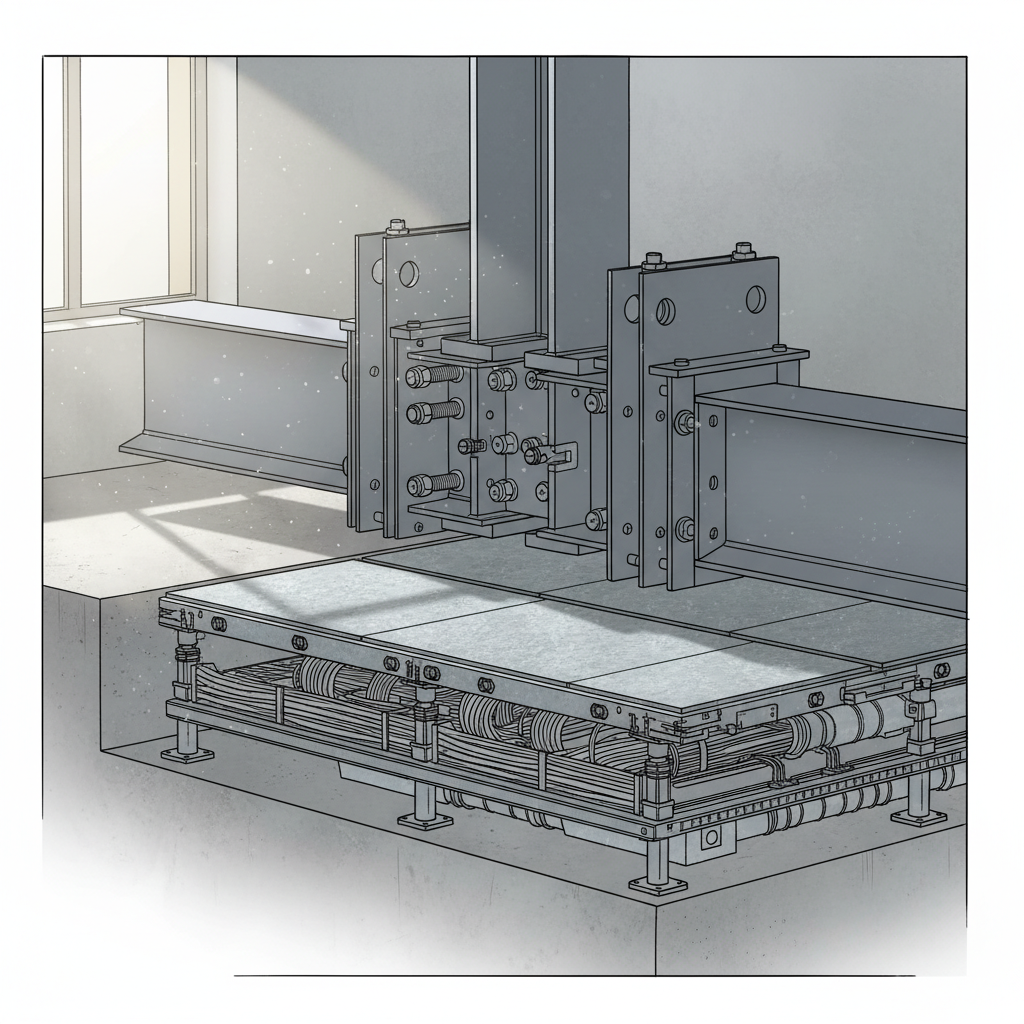
The technical aspects of designing adaptable commercial buildings center on providing structural redundancy and creating systems with inherent modification potential. Floor load capacity represents one of the most significant technical considerations. The Building Regulations typically require office floors to support minimum imposed loads of 2.5kN/m², but adaptable buildings often increase this to 3.5-5.0kN/m² to accommodate potential future uses such as retail, healthcare, or educational facilities without requiring structural reinforcement.
Floor-to-ceiling heights present another technical challenge in adaptable design. While standard commercial buildings might feature heights of 2.7-3.0 meters, future-proofed structures typically provide 3.6-4.0 meters to allow for raised floors, suspended ceilings, and more complex HVAC systems that might be required by future tenants. These increased vertical dimensions must be balanced against the economic implications of taller overall building heights and increased facade costs.
Engineering for Building Systems Integration
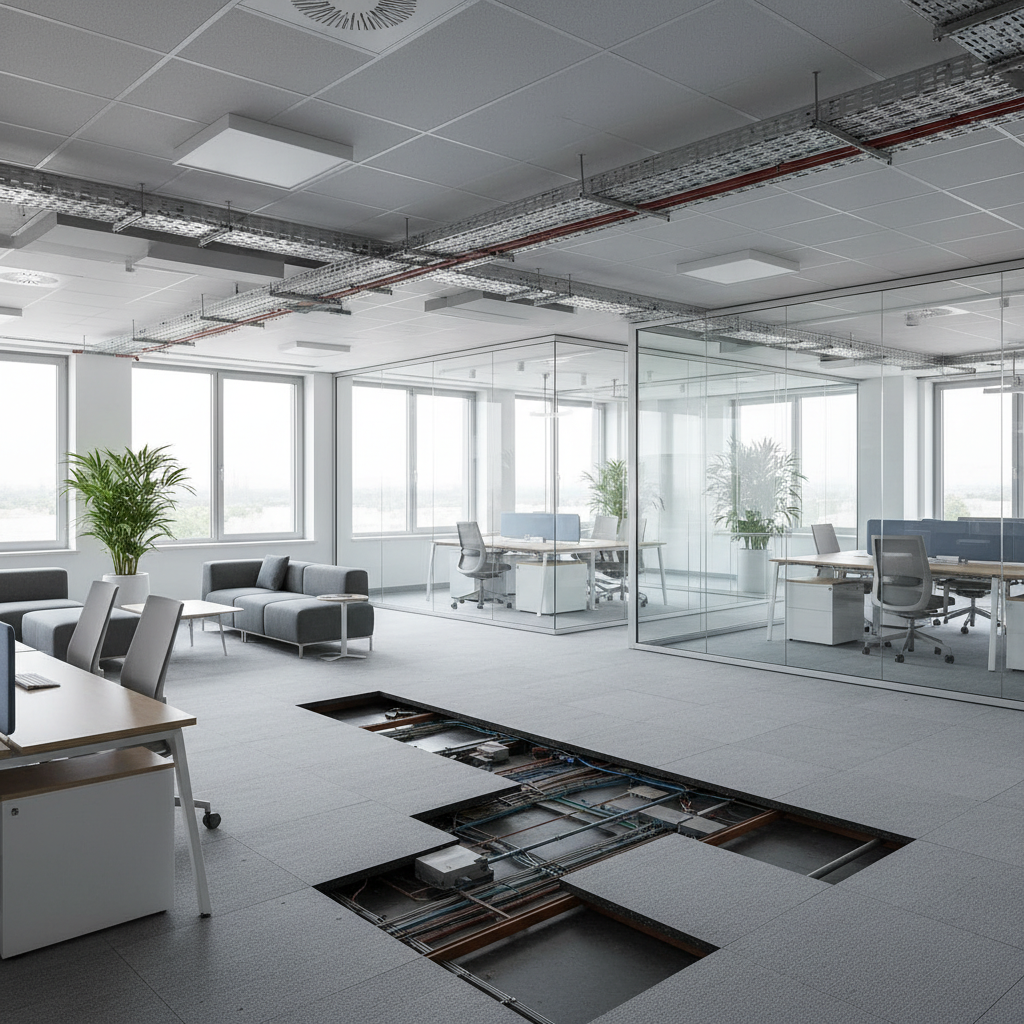
Creating truly adaptable commercial buildings requires careful coordination between structural elements and building service systems. Integrated structural voids that allow for the future installation or reconfiguration of mechanical, electrical, and plumbing systems without major structural modifications are particularly valuable. These might include strategically placed penetrations in floor slabs, designated zones for vertical risers, or accessible ceiling plenums that can accommodate changing service requirements.
The structural grid system must also work in harmony with potential partition layouts and furniture systems. A modular grid that aligns with standard office planning dimensions (typically multiples of 300mm in the UK) facilitates easier space planning across different potential uses. This approach connects to broader principles of climate resilience, as adaptable buildings can respond to changing environmental conditions and regulations without requiring energy-intensive renovations or demolition.
Case Study: Successful Adaptable Commercial Design
A prime example of successful adaptable design can be found in The White Collar Factory in London, designed by AHMM architects with structural engineering by AKT II. This innovative commercial development features 5.5-meter floor-to-ceiling heights, exposed thermal mass for passive cooling, and a highly flexible structural grid. Since its completion in 2017, several floors have already been reconfigured for different tenants without requiring structural alterations, demonstrating the practical value of adaptability-focused engineering.
The project’s structural system utilizes a concrete frame with long spans and minimal internal columns, creating open floor plates of approximately 1,600 square meters. The designers intentionally oversized the structural capacity to support imposed loads of up to 5.0kN/m², significantly exceeding standard office requirements. This forward-thinking approach has already proven valuable as portions of the building have transitioned from traditional office space to laboratory facilities and collaborative workspaces with heavier equipment loads.
Economic Benefits of Adaptable Structures
The long-term economic advantages of adaptable commercial buildings typically outweigh their higher initial construction costs. Research by the Royal Institution of Chartered Surveyors indicates that adaptable buildings command rental premiums of 8-12% compared to conventional commercial structures due to their appeal to tenants seeking flexibility. Additionally, these buildings experience significantly reduced vacancy periods during economic downturns because they can more easily accommodate changing market demands.
Life cycle cost analysis reveals that while adaptable commercial structures may cost 5-15% more to construct initially, they often deliver 20-30% higher returns over a 50-year period when considering reduced renovation costs, higher occupancy rates, and extended building lifespans. This approach to commercial development aligns perfectly with principles of adaptive reuse, where buildings are designed from the outset to accommodate multiple functions over their lifecycle rather than being optimized for a single initial use.
Conclusion
Designing commercial buildings with adaptability in mind represents both sound engineering practice and responsible resource management. The structural decisions made during initial design phases establish the parameters for a building’s future potential, determining whether it will require costly retrofits or premature demolition when needs change. By incorporating flexibility into our commercial structures today, we create more resilient, sustainable built environments that can evolve alongside our changing society.