
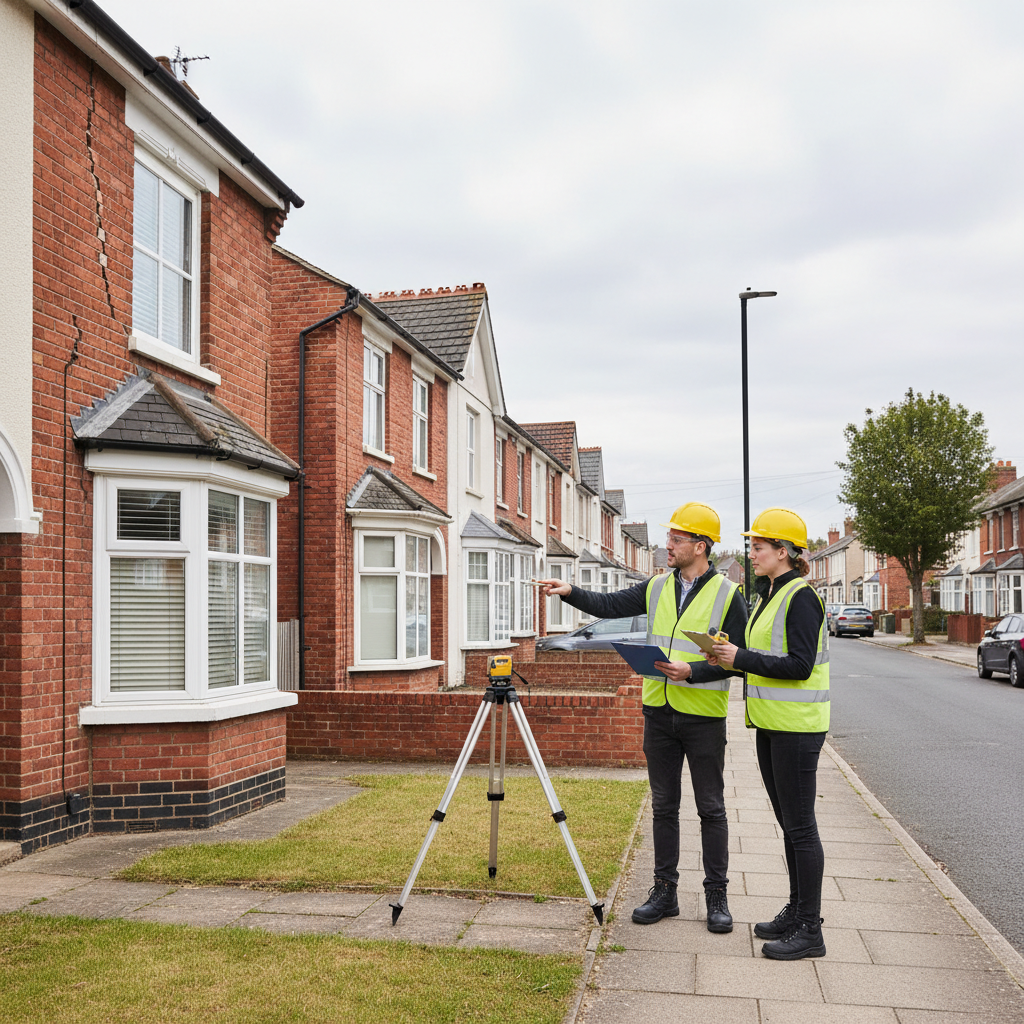
Structural Engineer or Surveyor: Who to Call for a Structural Inspection
Homeowners facing potential structural issues often find themselves unsure whether to contact a structural engineer or a building surveyor. While both professionals assess buildings, they serve different purposes: structural engineers specialise in evaluating and designing structural elements, while surveyors typically provide broader property assessments that may include structural observations.
Key Highlights
Here’s what you need to know when deciding between a structural engineer or a surveyor:
- Structural engineers focus specifically on structural integrity and design calculations while surveyors provide broader property assessments.
- Engineers can create detailed structural designs and specifications; surveyors typically identify issues but refer to engineers for technical solutions.
- For confirmed structural problems, planning structural alterations, or Building Regulations approval, a structural engineer is essential.
- Surveyors are ideal for property purchases, valuations, and initial building condition assessments.
- Many complex projects benefit from both professionals working together at different stages.
When to Call a Structural Engineer
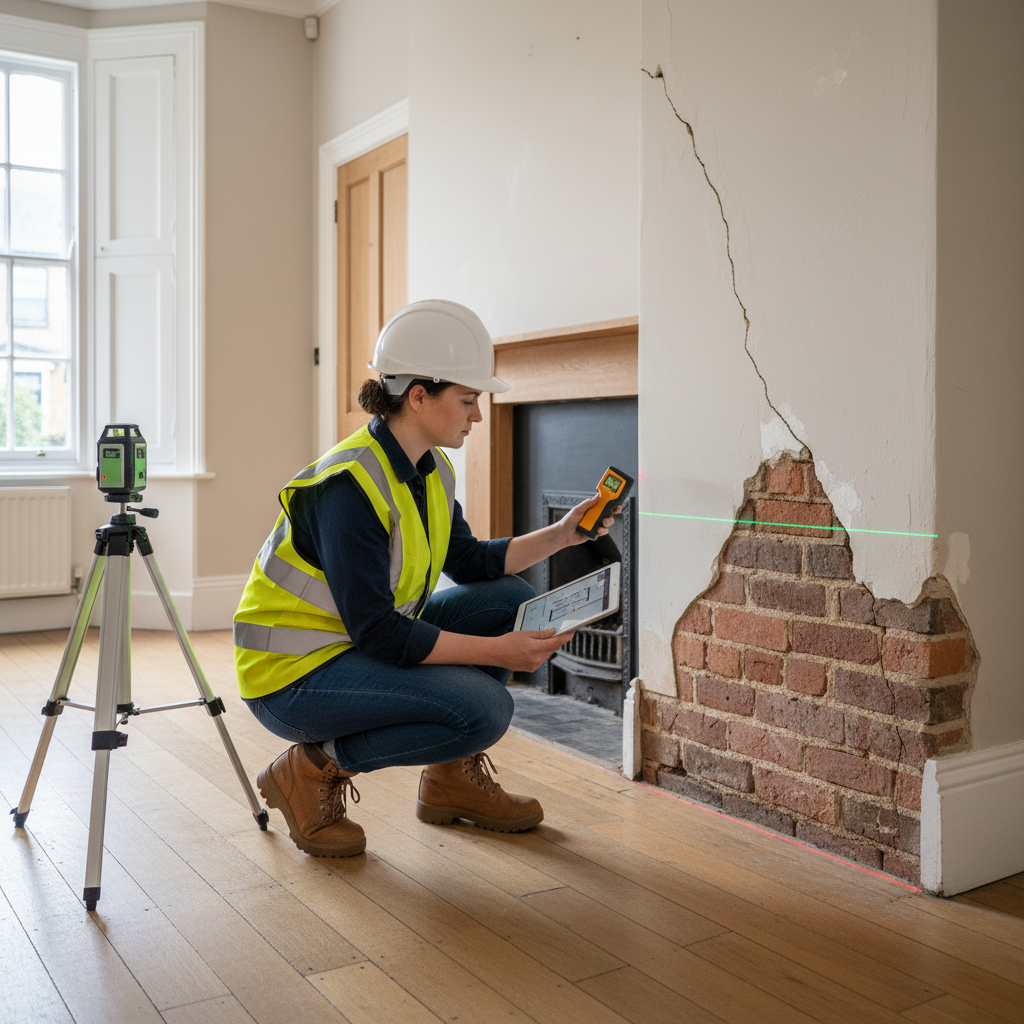
Structural engineers are the specialists you need when dealing with issues affecting a building’s structural integrity. They’re essential when you’re planning to remove load-bearing walls, extend your property, or address visible structural defects like significant cracks, sagging floors, or subsidence. According to the Institution of Structural Engineers, engineers possess specific expertise in analysing forces, loads, and stresses within buildings and can provide detailed calculations to ensure safety.
Unlike surveyors, structural engineers can produce the technical drawings and specifications required for Building Regulations approval. They’re qualified to design structural elements like beams, foundations, and support systems, providing the exact dimensions, materials, and load-bearing capacities. If you’re undertaking a renovation project that alters your home’s structure in any way, you should consult a structural engineer during renovations to ensure the work meets safety standards and complies with building regulations.
The Surveyor’s Role
Building surveyors provide a more general assessment of a property’s condition and are typically the first professionals consulted when purchasing a home or evaluating an existing property. Their expertise covers a wide range of building elements including roofing, damp issues, general maintenance concerns, and basic structural observations. Chartered surveyors often conduct homebuyer surveys or building surveys that give a comprehensive overview of a property’s condition.
While surveyors can identify potential structural problems, they typically don’t provide the detailed analysis or design solutions that structural engineers offer. If a surveyor notices concerning structural issues during their inspection, they’ll usually recommend consulting a structural engineer for further investigation. Surveyors excel at identifying problems across various building systems and providing maintenance recommendations, making them valuable for general property assessments and valuations.
Technical Differences in Inspections
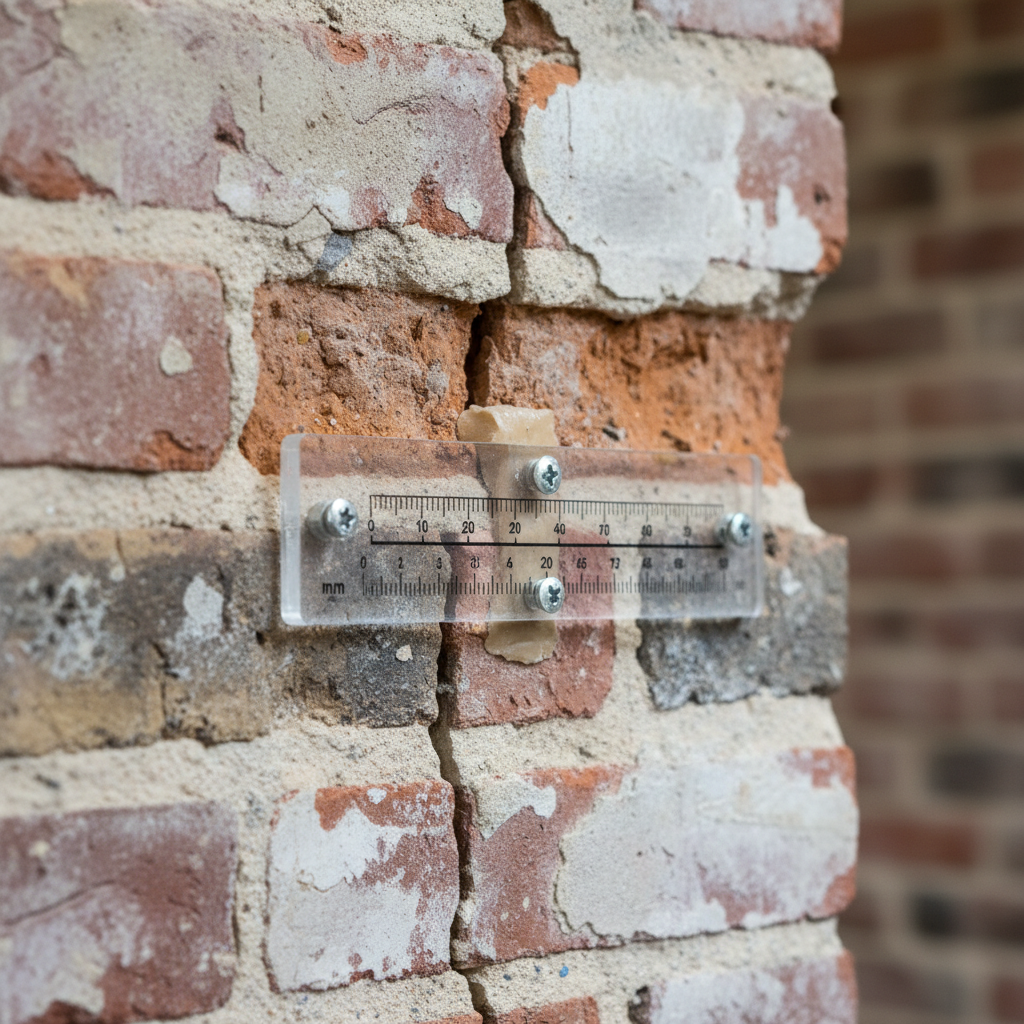
Structural engineering inspections involve detailed technical analysis of specific structural elements. Engineers use specialised equipment to measure deflection, assess load capacities, and evaluate material conditions. During a structural inspection, engineers may use tools like moisture meters, crack monitors, and sometimes even conduct load tests to gather precise data on a structure’s performance. Their reports focus specifically on structural elements and often include calculations and technical specifications.
The Royal Institution of Chartered Surveyors (RICS) notes that surveyor inspections typically cover more visual assessments across multiple building systems. Surveyors examine the overall condition of a property, from the roof to the foundations, identifying visible defects and potential issues. Their reports provide a broader overview of a property’s condition, maintenance requirements, and potential future concerns, but with less technical depth regarding structural calculations. For the most comprehensive understanding of what occurs during an engineering assessment, you can review what to expect from a structural engineer’s site visit.
Advanced Diagnostic Methods
Modern structural engineers increasingly employ advanced technology for more accurate diagnostics. These technologies include thermal imaging to detect hidden moisture issues, ground-penetrating radar to assess foundations, and 3D laser scanning to create precise digital models of existing structures. According to the Chartered Association of Building Engineers, these tools enable engineers to detect problems invisible to the naked eye and create more accurate remediation plans.
Building surveyors also use technology in their assessments, though often with a different focus. Their technological tools might include moisture meters, borescopes for inspecting cavities, and thermal imaging for energy efficiency assessments. The difference lies primarily in how the data is interpreted and applied—engineers use diagnostic information to inform structural calculations and designs, while surveyors use it to assess overall condition and value. The engineering industry continues to advance with drones and 3D scanning technology revolutionizing structural inspections, providing even more detailed analysis capabilities.
Collaboration Between Professionals

Many complex building projects benefit from both professionals working together. Surveyors often identify potential structural issues during their broader assessments and refer clients to structural engineers for specialised evaluation. This collaborative approach ensures that property owners receive comprehensive information about their building’s condition and appropriate technical solutions for any structural concerns.
For renovation projects, this collaboration typically follows a sequence: first, a surveyor conducts an initial assessment of the property’s condition, identifying areas of concern. If structural issues are detected or modifications are planned, a structural engineer then provides the technical expertise to address these specific elements. According to the Chartered Institute of Building, this complementary relationship between surveyors and engineers delivers the most thorough property evaluations and effective solutions for building projects.
Making the Right Choice for Your Project
When deciding whether to hire a structural engineer or a surveyor, consider the specific needs of your project. For property purchases, general condition assessments, or valuations, a surveyor is typically the appropriate choice. Their broader expertise provides a comprehensive overview of a property’s condition and helps identify potential issues across multiple building systems.
For confirmed structural issues, planned structural alterations, or projects requiring Building Regulations approval, a structural engineer is essential. Engineers provide the technical expertise needed to ensure structural safety, design appropriate solutions, and produce the documentation required for regulatory compliance. The Building Research Establishment advises that for the best outcomes, homeowners should understand the distinct roles of each professional and choose accordingly based on their specific project requirements.
Conclusion
Understanding the different roles of structural engineers and surveyors helps homeowners make informed decisions when facing building concerns or planning renovations. While surveyors provide valuable broad assessments of property conditions, structural engineers deliver the specific technical expertise required for structural issues and modifications. For many comprehensive projects, the ideal approach involves both professionals working in their respective specialities to ensure both thorough evaluation and technically sound solutions.
Sources
- Institution of Structural Engineers – Guide to Employing a Structural Engineer
- Royal Institution of Chartered Surveyors – Building Surveying Standards
- Chartered Association of Building Engineers – Building Engineering Resources
- Chartered Institute of Building – Industry Research
- Building Research Establishment – Building Expertise