
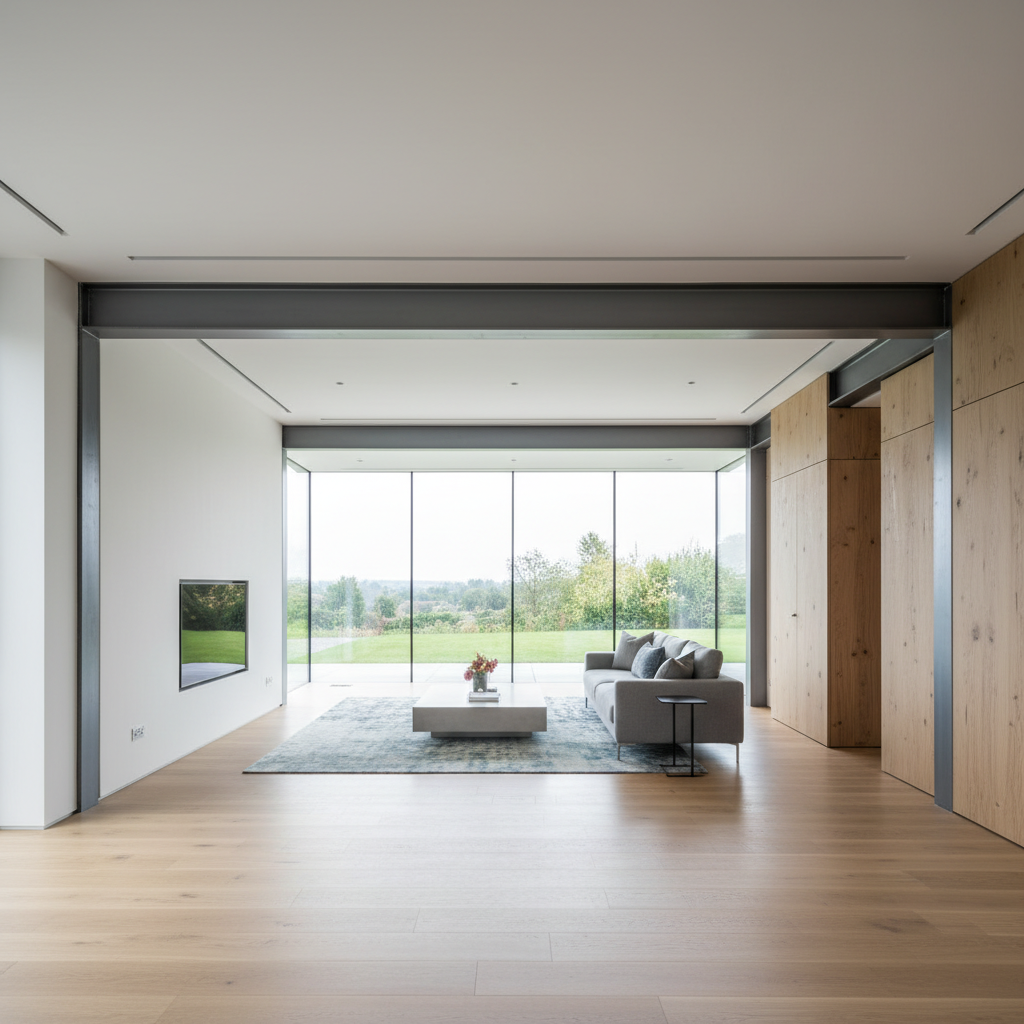
Achieving Open-Plan Spaces: Long-Span Solutions for Column-Free Designs
The appeal of open-plan living and working spaces continues to grow as homeowners and businesses alike seek to create flexible, light-filled environments. Creating these expansive, column-free areas requires careful structural engineering to safely support the weight above while maintaining the desired aesthetic and functional requirements.
Key Highlights
Here’s what you need to know about creating successful open-plan spaces:
- Long-span structural solutions can create clear spans of 6-12m without intermediate columns
- Steel beams, trusses, and concrete solutions each offer different advantages for various applications
- Professional structural engineering is essential to ensure safety and compliance
- Material choice affects not only structural capacity but also fire protection requirements and cost
- Proper planning can integrate services and minimize floor depth for maximum headroom
Understanding Long-Span Structural Requirements

Creating open-plan spaces requires removing load-bearing walls that traditionally support the floors or roof above. When these walls are removed, the structural load must be transferred through alternative means, typically using beams or trusses that span across the open area. The span length directly impacts the size and type of structural solution required—longer spans need deeper or more complex structural elements to manage the increased bending forces.
The first step in any open-plan conversion is a thorough structural assessment by a qualified engineer. This assessment evaluates the existing structure, identifies load paths, and determines what structural elements will be required to support the new arrangement. Factors including the weight of floors above, roof loads, and any special requirements such as sound isolation or fire resistance must be considered. For residential projects, spans of 4-6 meters may be achieved with relatively simple solutions, while commercial or larger residential spaces often require more sophisticated engineering for spans of 8-12 meters or more.
Long-Span Structural Options
The choice of structural system depends on span length, loading requirements, and architectural constraints. For typical residential applications with spans of 4-6 meters, standard steel I-beams (also called RSJs or Universal Beams) are often sufficient. These universal beams can be sized according to the specific loading and span requirements, with depths typically ranging from 203mm to 406mm for residential applications.
For longer spans of 6-10 meters, deeper beams, fabricated plate girders, or trussed solutions may be required. Trussed beams use less material while maintaining structural integrity, making them an economical choice for longer spans. Concrete solutions, such as post-tensioned slabs, offer an alternative that can provide excellent fire resistance and sound insulation while maintaining a flat soffit. Each option presents different implications for floor depth, which directly affects ceiling heights and the overall feeling of spaciousness in the finished room.
Material Selection and Structural Design
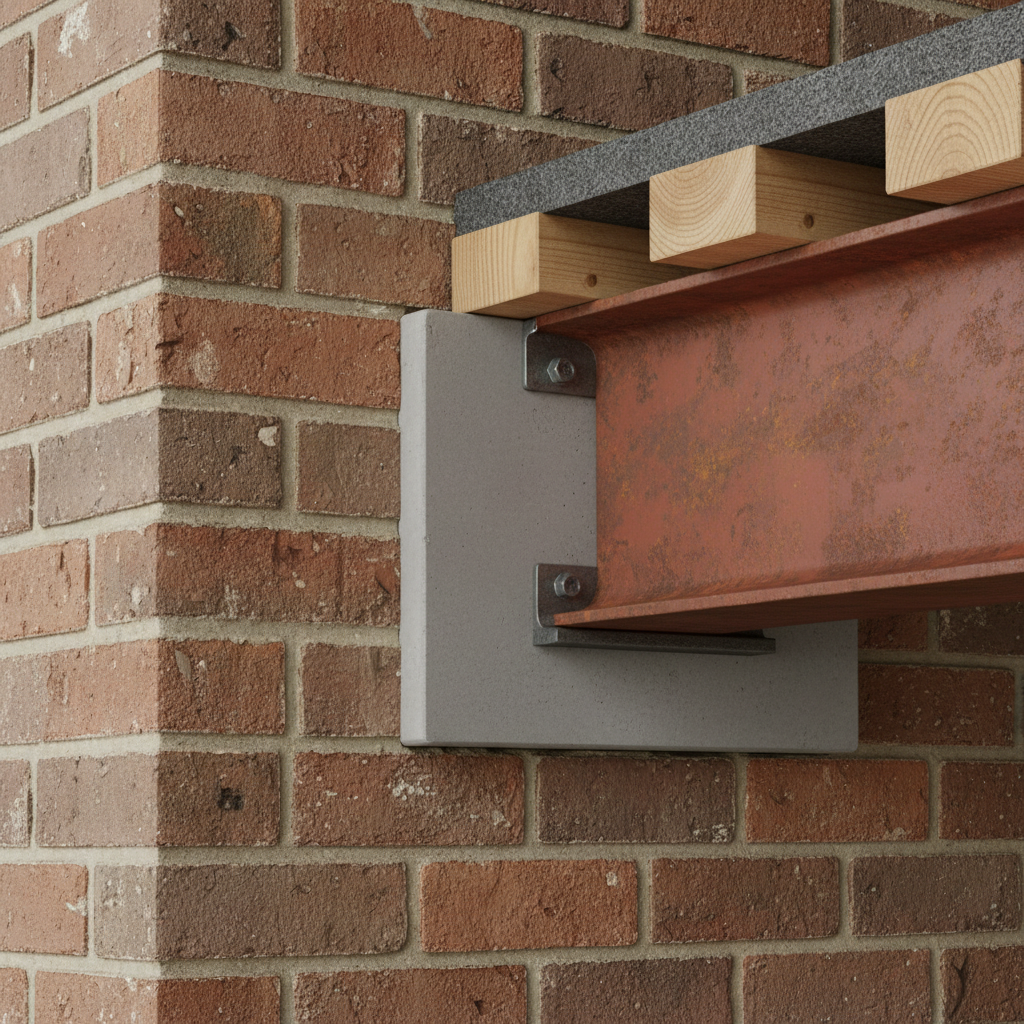
Steel is the most common material for residential open-plan conversions due to its high strength-to-weight ratio. A standard steel beam can support significant loads while remaining relatively compact, which is crucial when working with limited floor-to-ceiling heights. According to the Steel Construction Institute, steel beams can be designed to span up to 12 meters in residential applications, though deeper sections are required as spans increase.
Alternative materials include engineered timber products such as glulam beams or LVL (Laminated Veneer Lumber), which offer natural aesthetics and environmental benefits. These can span up to 8 meters in residential applications but typically require greater depth than steel equivalents. For even longer spans, hybrid solutions combining steel and timber, or specialized systems like steel trusses, can be employed. Each material choice has implications for fire protection, with steel typically requiring intumescent coating or board systems to achieve the necessary fire resistance periods as specified in UK Building Regulations Approved Document B.
Integration of Services and Floor Systems
An often overlooked aspect of open-plan conversions is the integration of services such as plumbing, electrical, and HVAC systems. Traditional steel I-beams can obstruct service runs, requiring drop ceilings or bulkheads that reduce headroom. Cellular beams with factory-cut openings allow services to pass through the beam itself, maintaining maximum ceiling height while ensuring structural integrity.
Floor systems must be carefully designed to work with the chosen structural solution. Options include traditional timber joists supported by the new beams, composite metal deck systems that integrate with the steel structure, or concrete floors that provide additional stiffness and sound isolation. Each system offers different benefits in terms of floor depth, acoustic performance, and fire resistance. According to the Concrete Centre, composite concrete and steel systems can achieve excellent vibration control—an important consideration in open-plan spaces where footfall vibration can be noticeable over longer spans.
Achieving Successful Open-Plan Conversions
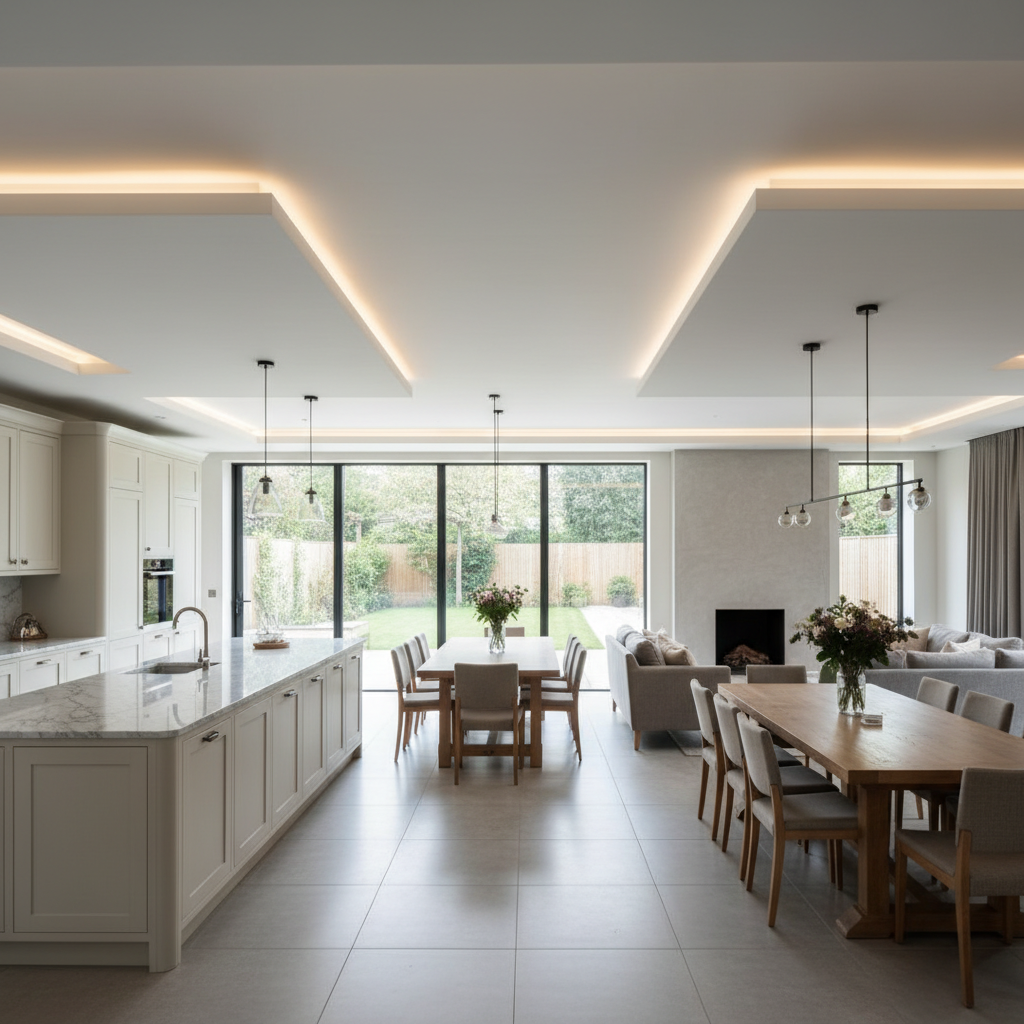
Successful open-plan conversions balance structural requirements with aesthetic and practical considerations. The structural system should be integrated seamlessly into the architectural design, either by concealing it within ceiling voids or by featuring it as an exposed design element. In many contemporary designs, exposed steel beams or timber trusses become architectural features that add character to the space.
The connection details between new structural elements and the existing building fabric require careful engineering and construction. These connections must safely transfer loads while accommodating any potential movement in the structure. For projects involving period properties, special consideration may be needed to preserve historic features while introducing modern structural elements. In a notable case study from TRADA (Timber Research and Development Association), a Victorian terraced house was successfully converted to open-plan by using a combination of steel primary beams and timber secondary members, preserving the character of the property while creating a contemporary living space.
Long-Term Performance and Maintenance
The long-term performance of open-plan spaces depends on proper structural design and implementation. Deflection limits must be carefully controlled to prevent the perception of “bouncy” floors or cracking in finishes. According to the Institution of Structural Engineers, limiting deflection to span/360 for residential floors provides a good balance between structural efficiency and occupant comfort.
Maintenance requirements vary depending on the structural system chosen. Steel elements may require periodic inspection of fire protection systems and corrosion protection in damp environments. Exposed timber elements should be checked for signs of moisture damage or insect attack. In all cases, maintaining the structural integrity of the property involves ensuring that any future modifications consider the loading assumptions made in the original design. This is particularly important in open-plan spaces where the clear span creates a temptation to add features such as mezzanine floors or heavy fixtures that may not have been accounted for in the original calculations. For more information on adding internal levels safely, see our guide on mezzanine floors and multi-level spaces.
Conclusion
Creating successful open-plan spaces involves balancing structural requirements with aesthetic goals and practical considerations. The right long-span solution depends on the specific requirements of your project, including span length, loading conditions, and architectural constraints. With proper engineering and thoughtful design, column-free open spaces can transform how you experience your home or commercial building.
Sources
Steel Construction Institute – Residential and Mixed-Use Buildings
UK Building Regulations Approved Document B
Concrete Centre – Residential Design Guide
TRADA – Timber Research and Development Association Case Studies
Institution of Structural Engineers – Domestic Building Works Guidance
Steel vs Concrete vs Timber: Choosing the Right Structural System
Benefits and Challenges of Lightweight Construction