
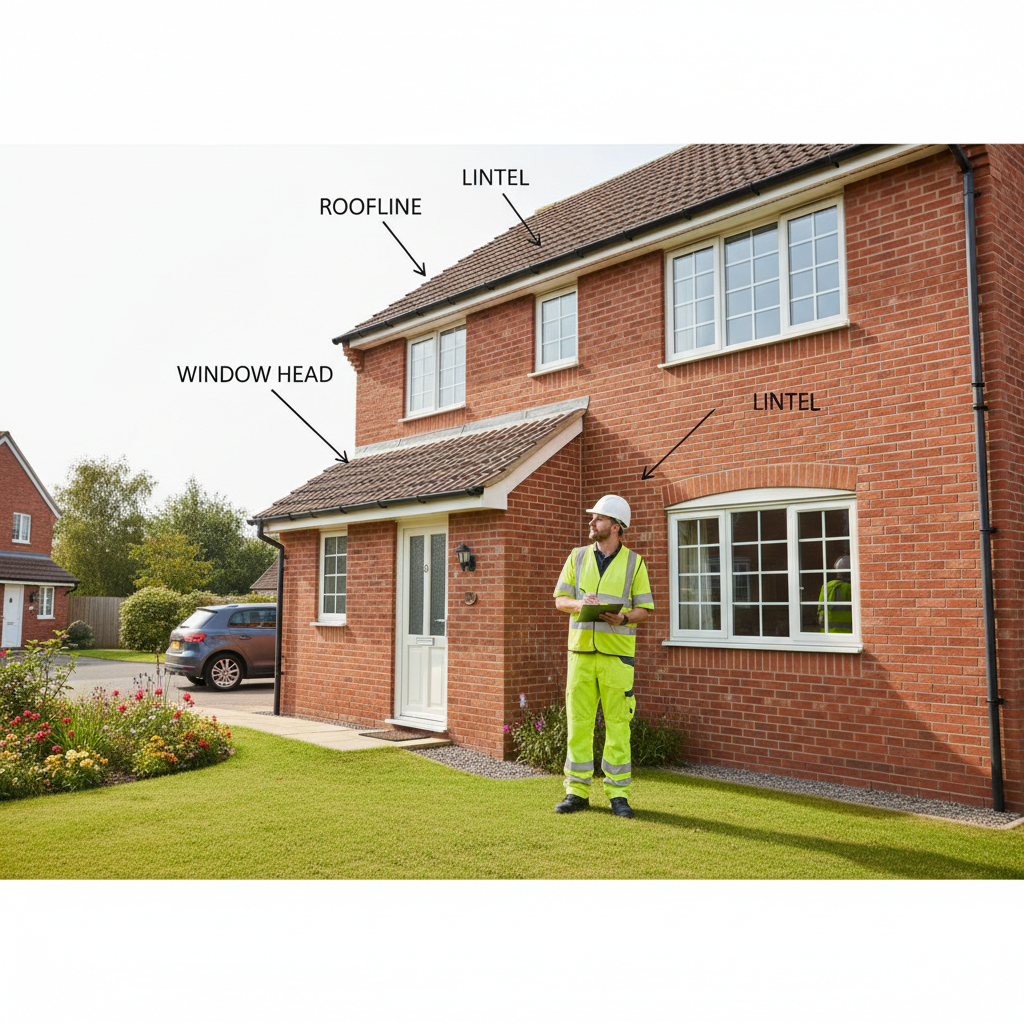
The Benefits of Having a Chartered Engineer Inspect Your Property
Property issues can range from minor cosmetic concerns to significant structural problems that affect safety and value. A chartered structural engineer brings specialized expertise to identify, assess, and provide solutions for these challenges, offering property owners peace of mind and clear guidance for necessary repairs or modifications.
Key Highlights
Here’s what you’ll gain from a chartered engineer’s inspection:
- Expert identification of structural issues that general surveyors might miss
- Detailed reports with clear technical recommendations
- Impartial assessment that meets regulatory and insurance requirements
- Potential cost savings by preventing unnecessary work
- Professional documentation for property transactions or planning applications
Understanding the Inspection Process
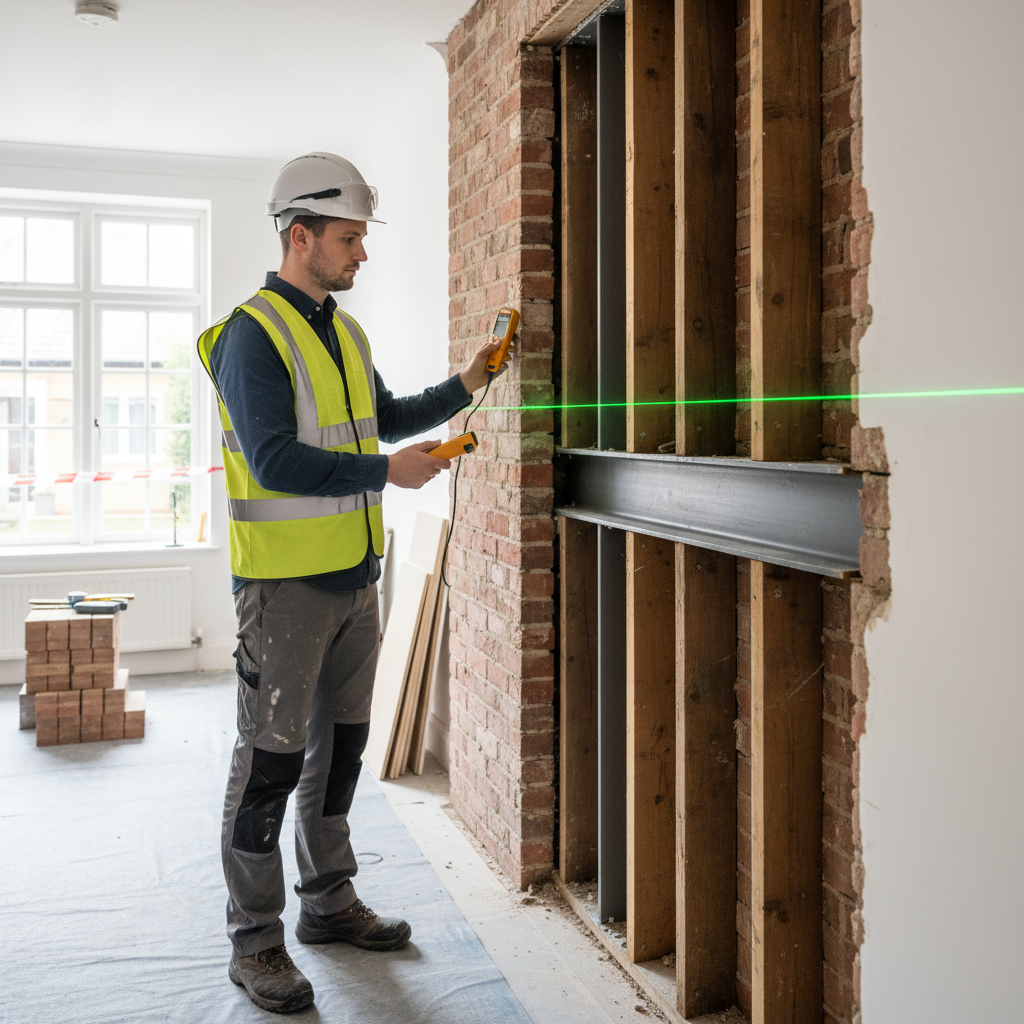
The inspection process begins with a thorough examination of your property’s structural elements by a chartered engineer. During this initial assessment, the engineer will evaluate foundations, load-bearing walls, beams, roof structures, and other critical components that affect your property’s stability. They’ll look for signs of movement, settlement, cracking, or other distress indicators that might point to underlying issues.
Unlike general surveyors, chartered engineers bring specialized structural knowledge to their inspections, allowing them to differentiate between cosmetic cracks and those indicating serious structural problems. They use specialized tools and techniques to measure deformations, assess material conditions, and evaluate structural integrity. A structural engineer’s site visit is comprehensive and methodical, designed to gather all necessary information for a thorough evaluation.
Comprehensive Documentation and Analysis
Following the site inspection, a chartered engineer will analyze their findings and prepare detailed documentation. This critical phase transforms observations into actionable insights that guide your property decisions. The analysis considers how different structural elements interact and identifies the root causes of any identified issues.
The resulting structural inspection report will include detailed descriptions of problems found, supporting photographs, and often diagrams illustrating structural concerns. This comprehensive documentation becomes an essential resource for planning repairs, obtaining building permits, or negotiating during property transactions. The report’s clarity and professional standing make it valuable for insurance claims, mortgage applications, or when discussing potential remediation work with contractors.
Technical Expertise in Problem Identification
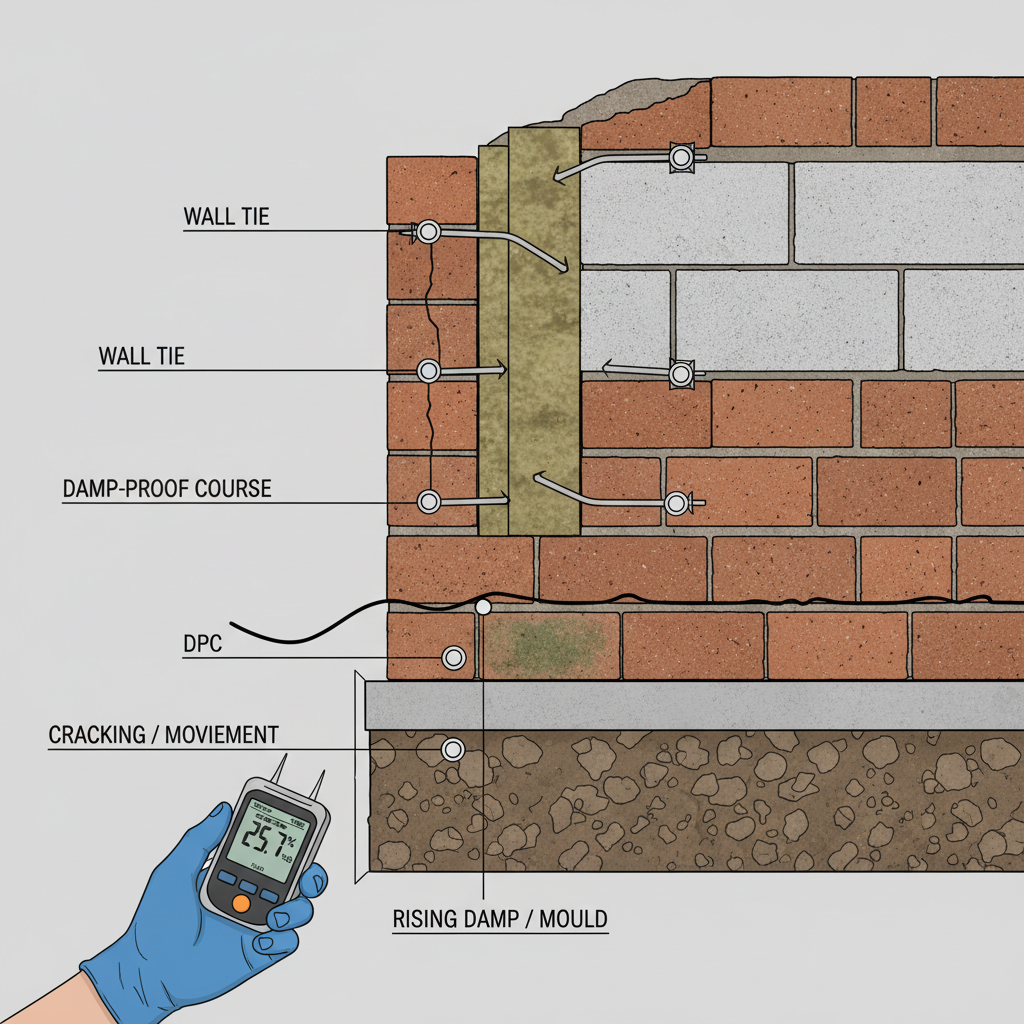
A chartered engineer brings specialized knowledge that allows for precise diagnosis of complex structural issues. Their technical training enables them to identify problems that might be invisible to the untrained eye, such as inadequate lateral support, improper load transfers, or foundation issues that could worsen over time. This diagnostic precision is particularly valuable when dealing with older properties, unusual construction methods, or buildings that have undergone multiple modifications.
Engineers apply principles of structural mechanics and material science to evaluate how forces move through your building and where vulnerabilities might exist. They can distinguish between symptoms and causes—for example, recognizing when cracks result from normal settlement versus those indicating progressive structural failure. This technical depth is why many homeowners choose a structural engineer rather than a surveyor for certain property inspections, particularly when specific structural concerns exist.
Evidence-Based Recommendations
One of the most valuable aspects of a chartered engineer’s inspection is the detailed recommendations they provide for addressing identified issues. These recommendations are grounded in engineering principles and practical experience, offering clear pathways to resolve problems efficiently. The engineer will prioritize issues based on urgency and structural significance, helping you allocate resources effectively.
Their recommendations typically include multiple potential solutions with associated benefits, limitations, and approximate cost implications. This evidence-based approach helps property owners avoid unnecessary or ineffective repairs while ensuring that critical issues receive proper attention. Since chartered engineers don’t typically profit from the recommended repairs themselves, their advice tends to be impartial and focused solely on structural integrity and safety considerations.
Long-Term Value and Peace of Mind

Investing in a chartered engineer’s inspection delivers substantial long-term value for property owners. Beyond addressing immediate concerns, their assessment helps establish a baseline understanding of your property’s structural condition that informs future maintenance and investment decisions. This proactive approach can identify potential issues before they develop into costly problems, potentially saving thousands in emergency repairs.
For homeowners planning renovations or extensions, a structural engineer’s input early in the process can prevent design mistakes and ensure compliance with building regulations. Their professional certification carries weight with local authorities, insurers, and potential buyers, often making the inspection cost-effective in unexpected ways. Many property owners report that the clarity and confidence gained from a professional engineering assessment alleviates anxiety about structural concerns and provides a clear path forward.
Making the Most of Professional Advice
To maximize the benefits of a chartered engineer’s inspection, provide them with as much information as possible about your property’s history and any specific concerns. Share previous survey reports, planning permissions, and details of past modifications or repairs to give context for their assessment. Be present during the inspection if possible to discuss observations directly and ask questions.
After receiving the report, don’t hesitate to seek clarification on technical aspects you don’t fully understand. Most chartered engineers are willing to explain their findings and recommendations in accessible terms. If major work is recommended, consider asking the engineer about phasing repairs based on priority, which can help manage costs while addressing the most critical issues first. Their practical guidance can help you navigate complex decisions about your property with confidence.
Conclusion
A chartered engineer’s inspection provides authoritative insight into your property’s structural condition, combining technical expertise with practical recommendations that support informed decision-making. Their professional assessment offers value far beyond identifying problems—it provides a roadmap for maintaining and enhancing your property’s structural integrity and safety. Whether you’re buying, selling, renovating, or simply seeking peace of mind, a chartered structural engineer’s perspective is an investment in your property’s long-term health and value.
Sources
Institution of Structural Engineers: Structural Surveys of Residential Property
Royal Institution of Chartered Surveyors: Building Survey Standards