
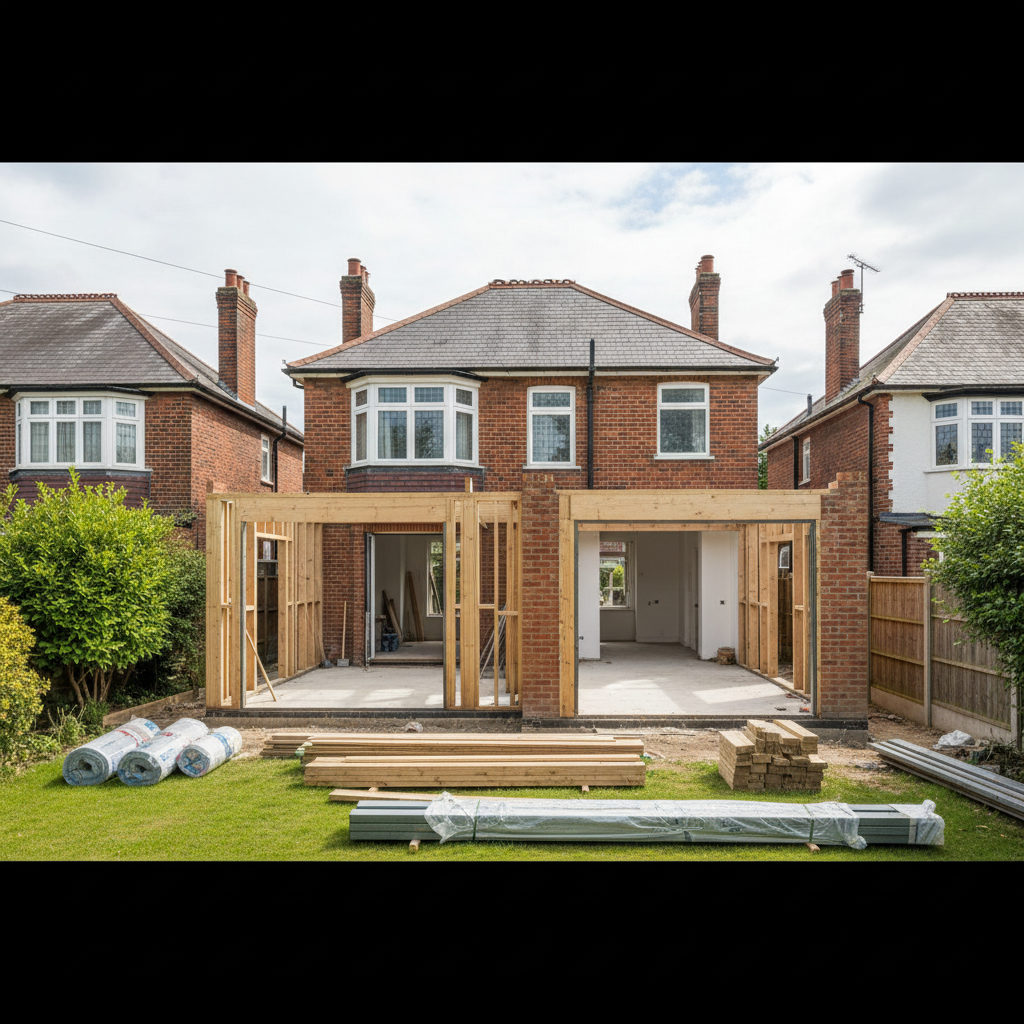
Understanding the Hidden Risks of DIY Extensions
House extensions represent significant structural modifications that alter load paths, foundation requirements, and overall building stability. Attempting to build an extension without proper engineering input carries substantial risks including structural failure, building regulation violations, and costly remedial work.
Key Highlights
Here are the critical risks of proceeding without structural engineering input:
- Extensions alter the original building’s structural integrity and load distribution
- Building Regulations compliance requires verified structural calculations
- Insurance companies may reject claims for damages related to non-engineered structures
- Future property sales can be affected by lack of proper structural documentation
- Remediation of structural issues is typically far costlier than initial engineering fees
How Engineering Input Shapes the Extension Process

The early involvement of a structural engineer is crucial for any extension project. A qualified engineer evaluates the existing structure, soil conditions, and proposed design to identify potential issues before construction begins. This preliminary assessment often reveals critical considerations that might otherwise be overlooked, such as the need for additional foundation support or limitations of existing load-bearing elements.
Structural engineers develop detailed calculations that translate architectural desires into physically viable structures. These calculations determine appropriate beam sizes, column positions, foundation specifications, and wall thicknesses—elements that ensure the extension will stand safely for decades. Without proper engineering input, even seemingly minor design decisions can lead to serious consequences, as documented in numerous renovation horror stories where engineering was skipped.
Legal and Regulatory Requirements
Building Regulations in the UK explicitly require structural calculations for extensions to verify their safety and compliance. Local authority building control officers or approved inspectors will request to see these calculations as part of the approval process. Without engineer-certified plans, your project may face rejection, forced modifications, or even demolition orders.
Party Wall agreements, planning permissions, and building warranties all typically reference engineering documentation. The Building Control certification process, which provides the final approval that your extension is safe and legal, cannot be completed without proper structural verification. According to the Royal Institution of Chartered Surveyors, extensions built without proper engineering documentation frequently encounter serious regulatory complications when owners later attempt to sell their property.
Critical Structural Considerations in Extensions
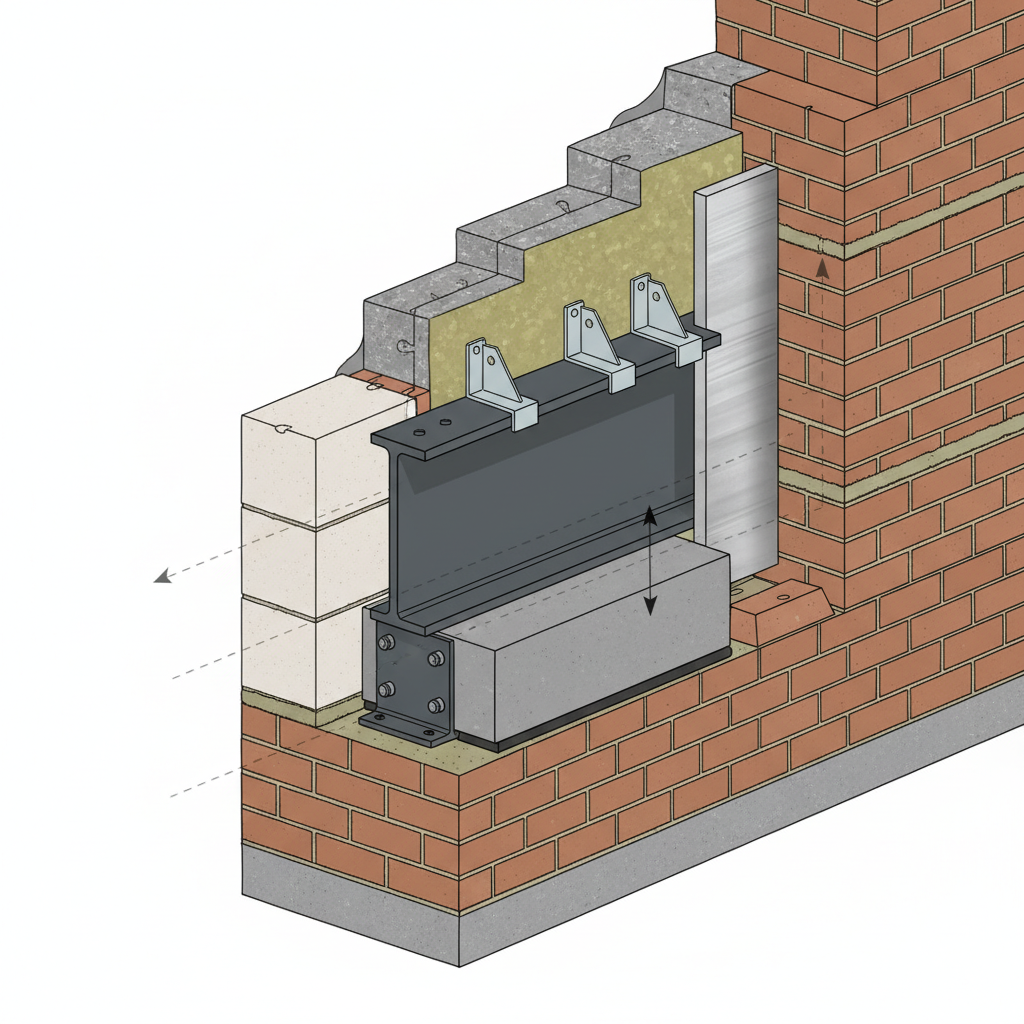
Extensions fundamentally alter the structural dynamics of an existing building. When removing walls to connect new spaces, you’re potentially interfering with load-bearing elements that maintain the stability of the original structure. Engineers evaluate these elements and design appropriate replacements, such as steel beams or reinforced columns, to ensure the modified building remains structurally sound.
Foundation design is particularly critical for extensions. The Institution of Structural Engineers notes that foundation failures account for approximately 60% of extension-related structural problems. Soil conditions, drainage patterns, tree roots, and nearby structures all influence foundation requirements. Proper engineering analysis determines appropriate foundation depths, widths, and construction methods based on site-specific conditions rather than generic rules of thumb. The difference between quality engineering and inadequate structural planning becomes most evident when challenging ground conditions are present.
Common Failures in Non-Engineered Extensions
Extensions built without proper engineering input frequently develop telltale problems. Settlement cracks along mortar lines, diagonal cracking at wall junctions, and deflection in floors and ceilings are common indicators of structural inadequacy. These issues typically appear gradually as the structure adjusts to loads it wasn’t properly designed to handle.
More severe consequences can include water ingress due to improper structural detailing, door and window frames that become misaligned as the structure moves, and in worst cases, partial collapses. According to the Structural-Safety organization, approximately 30% of domestic building collapses investigated were related to improperly designed extensions or renovations. These failures typically occur during extreme weather events or when the structure is subjected to unexpected loading conditions that exceed its compromised capacity.
Long-term Implications for Property Value

Property surveys conducted during sales frequently identify structurally questionable extensions, leading to price reductions or failed transactions. Mortgage lenders increasingly require evidence of proper engineering documentation for extensions before approving loans on such properties. The financial impact of insufficient engineering documentation often becomes apparent only years after construction, when owners attempt to sell.
Home insurance policies typically contain clauses that exclude coverage for structural issues resulting from unapproved modifications or those made without proper professional input. The Association of British Insurers confirms that claims related to structural failures in non-engineered extensions are commonly rejected, leaving homeowners fully exposed to remediation costs. This insurance risk represents one of the most overlooked aspects of proceeding without proper engineering input, as noted by many homeowners who learned this lesson the hard way during renovations.
The Value Proposition of Professional Engineering
While engineering fees represent an additional project cost, they typically constitute only 1-3% of the total extension budget while protecting the entire investment. Structural engineering input not only ensures safety and compliance but often identifies cost-saving opportunities in material selection and construction methods that can offset much of the initial fee.
The value of professional engineering extends beyond the immediate construction phase. Properly documented extensions with certified calculations maintain their value, avoid insurance complications, and facilitate smoother property transactions. For homeowners concerned about costs, it’s worth considering that structural remediation work typically costs 5-10 times more than proper initial engineering would have. As building technology and regulations continue to evolve, the expertise of qualified structural engineers becomes increasingly valuable in navigating these requirements efficiently.
Conclusion
Building an extension without proper engineering input exposes homeowners to significant structural, financial, regulatory, and safety risks that far outweigh any perceived cost savings. The potential consequences range from costly repairs and insurance complications to compromised safety and decreased property value. Involving a qualified structural engineer from the early planning stages remains the most prudent approach to ensure your extension stands the test of time while protecting your investment.
Sources
Institution of Structural Engineers – Building an Extension
Royal Institution of Chartered Surveyors – Building Surveys
Structural-Safety Organization – Domestic Building Failures Report