

Do You Need an Engineer for a Garage Conversion?
Converting a garage into a habitable space can significantly increase your home’s usable area and potentially its value. While not every garage conversion requires a structural engineer, understanding when professional engineering input is necessary can save time, money, and ensure the safety of your renovation project.
Key Highlights
Here are the essential points to know about structural engineers and garage conversions:
- Structural engineers are required when removing load-bearing walls or altering the roof structure.
- Most garage conversions need Building Regulations approval, which often necessitates structural calculations.
- Engineers can identify potential issues with foundations, damp problems, and insulation requirements.
- Professional drawings and calculations typically cost between £400-£1,200 depending on project complexity.
- Using an engineer can prevent costly mistakes and ensure your conversion is safe and compliant.
When Structural Engineers Are Needed for Garage Conversions
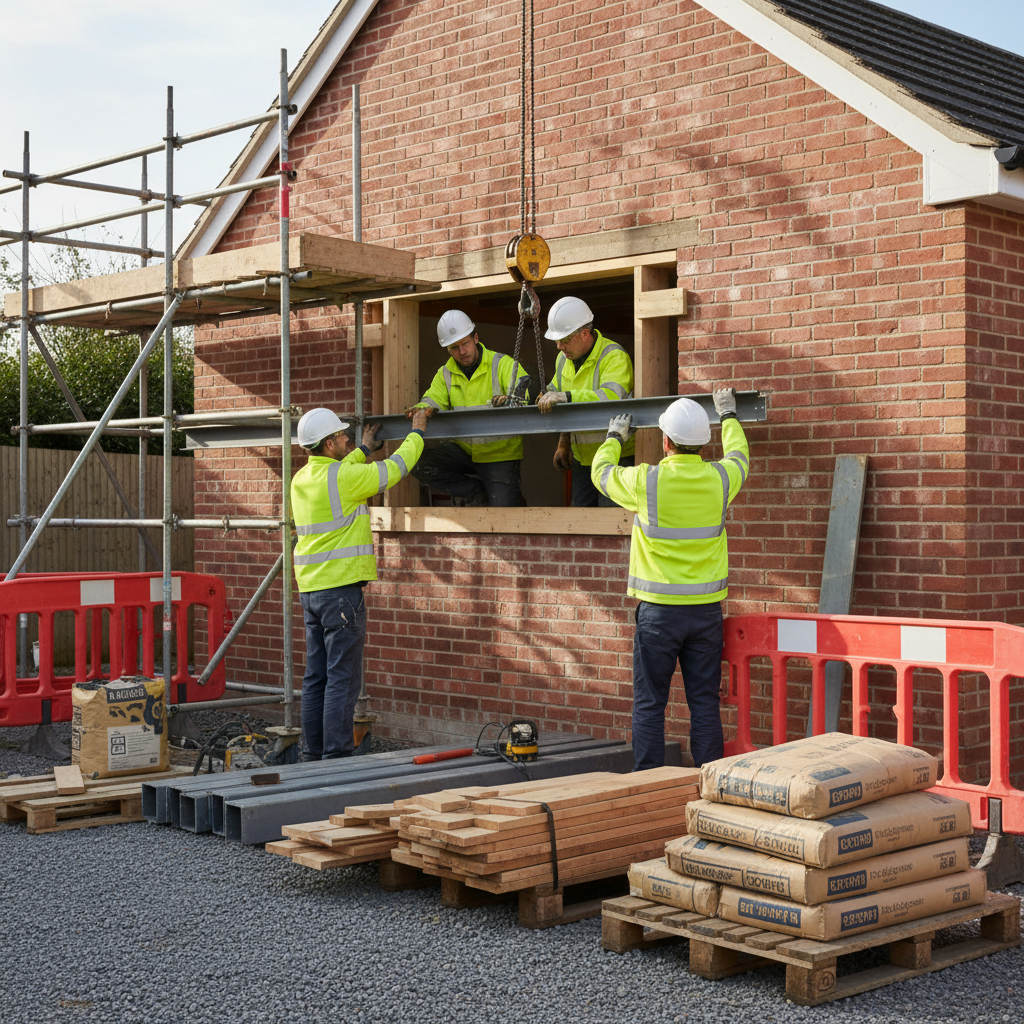
The need for a structural engineer in your garage conversion depends on several key factors. You’ll definitely need an engineer if your plans include removing or altering load-bearing walls, changing the roof structure, or making significant openings between the garage and your home. Additionally, if your garage has a non-standard construction method or shows signs of structural issues such as cracks or subsidence, professional engineering input is essential.
Even seemingly straightforward conversions often benefit from engineering expertise. For example, when changing the function of a space from vehicle storage to habitation, floor loading requirements change, and additional support may be needed. According to the Institution of Structural Engineers, garage floors typically aren’t designed to the same standards as residential floors and may need reinforcement to support continuous occupancy and furniture loads. An engineer can assess the existing structure and provide specifications for any necessary upgrades.
The Structural Assessment Process
Before any conversion work begins, a thorough structural assessment should take place. This typically starts with a site visit where the engineer will examine the existing garage structure, including foundations, walls, floor slabs, and connections to the main dwelling. They’ll look for signs of settlement, cracking, damp issues, and evaluate the quality of the original construction.
After the inspection, the engineer will produce detailed calculations and drawings that demonstrate compliance with Building Regulations. These documents typically include specifications for any new structural elements like lintels over new openings, recommendations for floor upgrades, and details for wall and roof insulation to meet thermal performance requirements. The cost for these services varies based on project complexity, but you can expect structural engineering steps for home renovations to be clearly outlined at the beginning of the process, allowing you to budget accordingly.
Building Regulations Requirements for Garage Conversions
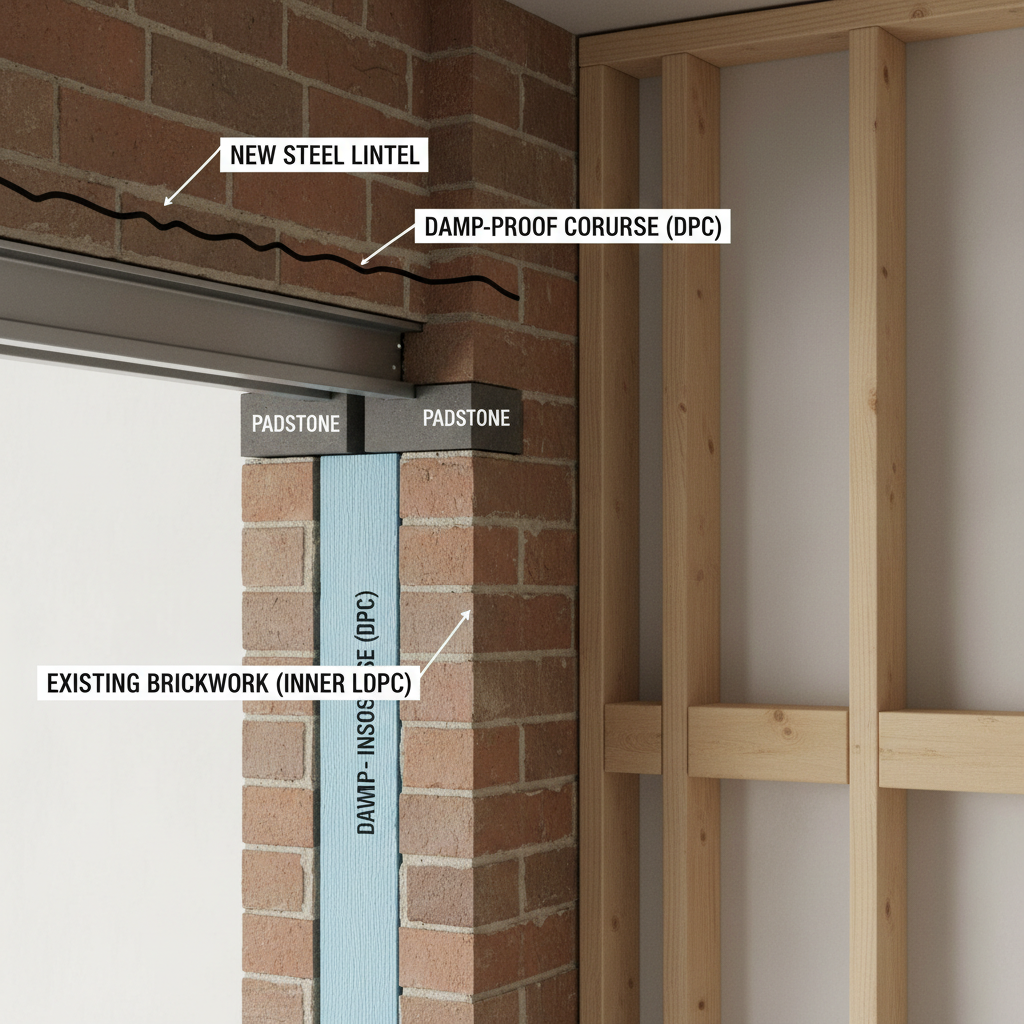
Most garage conversions in the UK require Building Regulations approval, even when planning permission isn’t needed. Building Regulations ensure the converted space meets minimum standards for structural integrity, fire safety, ventilation, energy efficiency, and damp protection. The local building control department will require evidence that your conversion complies with these standards, which typically includes structural calculations prepared by a qualified engineer.
Specific areas where engineering input is crucial include ensuring the foundations are adequate for the new use, designing appropriate thermal insulation, verifying that any new openings don’t compromise the structure, and confirming that the floor meets the required loading capacity. The Royal Institution of Chartered Surveyors notes that many garage conversions fail building inspections due to inadequate structural considerations, particularly around foundation depth and damp-proofing measures. Having professional engineering drawings and calculations significantly increases the likelihood of approval on the first inspection.
Common Structural Challenges in Garage Conversions
Garage conversions present several unique structural challenges that engineers are trained to address. One common issue is inadequate foundation depth, as many garages were built with shallower foundations than the main house. This can lead to differential settlement and cracking if not properly assessed and remediated.
Another frequent challenge is the garage door opening, which requires proper structural support when being converted to a wall with windows or doors. This typically involves installing a suitable lintel or beam to carry the load above the opening. Additionally, many garages have single-skin brick walls that need upgrading to meet thermal and structural requirements for habitable spaces. You might wonder if you can build a home extension without a structural engineer, and while some simple projects might be possible, garage conversions typically involve enough structural considerations to warrant professional engineering input.
Cost vs. Benefit Analysis

The cost of hiring a structural engineer for a garage conversion typically ranges from £400 to £1,200, depending on the project’s complexity and location. While this may seem like a significant expense, it represents a small percentage of the overall conversion cost, which usually falls between £8,000 and £20,000. The value added by professional engineering input extends far beyond the initial investment.
Consider that rectifying structural issues after construction can cost many times the initial engineering fee. The Federation of Master Builders reports that remedial work due to structural defects often costs homeowners 2-3 times what proper engineering would have cost initially. Beyond the financial considerations, professional engineering ensures the safety of your family and visitors. Additionally, having proper documentation of structural calculations and approved drawings can be valuable when selling your home, providing potential buyers with confidence in the quality of the conversion.
Working With Your Structural Engineer
To get the most value from your structural engineer, it’s important to engage them early in the project. Ideally, consult with an engineer before finalizing your design plans, as their input may influence the feasibility of certain features or suggest more efficient alternatives. Be prepared to share any existing drawings of your property and information about previous modifications.
Clear communication about your goals and budget constraints helps the engineer provide solutions that meet your needs while ensuring structural integrity. Don’t hesitate to ask questions about their recommendations—understanding the reasoning behind structural decisions helps you make informed choices about your project. For larger or more complex conversions, you might need to decide when to call a structural engineer during renovations, especially if unexpected issues arise during construction.
Conclusion
While not every garage conversion requires a structural engineer, their expertise provides significant value in ensuring your project is safe, compliant with regulations, and built to last. The relatively modest cost of engineering services compared to the overall project budget makes it a worthwhile investment for most conversions. By identifying potential issues early and providing detailed specifications, a structural engineer helps prevent costly mistakes and creates a solid foundation for your new living space.