
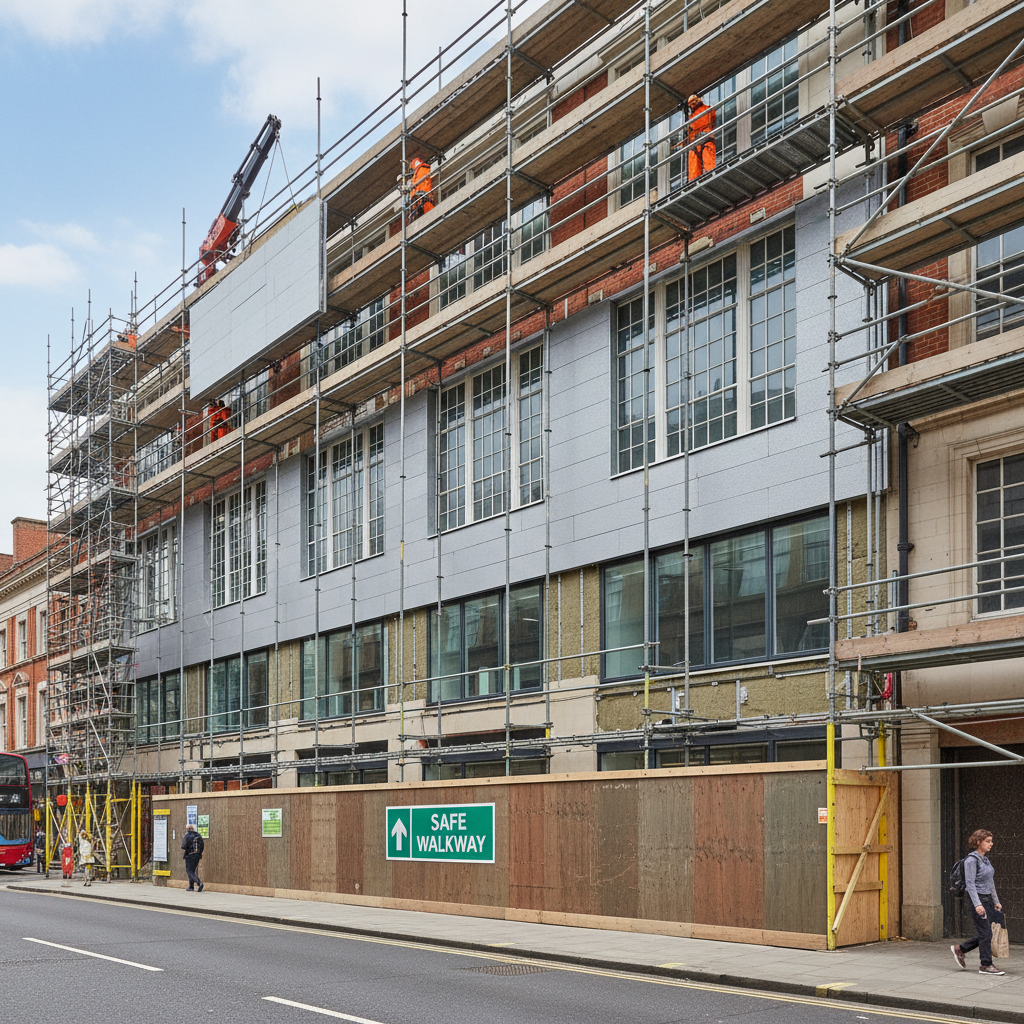
Retrofitting Commercial Buildings for Modern Code Compliance
Commercial buildings constructed decades ago often fail to meet today’s stringent building codes and safety standards. Retrofitting these structures is essential not only for legal compliance but also to enhance structural integrity, improve energy efficiency, and ensure occupant safety in the face of modern challenges like climate change and seismic concerns.
Key Highlights
Here are the critical aspects of retrofitting commercial buildings for modern code compliance:
- Comprehensive structural assessments are necessary to identify critical vulnerabilities before any retrofit work begins
- Seismic retrofitting can increase a building’s resilience to earthquakes by 40-60% depending on the techniques used
- Energy code updates typically require improvements to insulation, HVAC systems, and building envelope performance
- Modern fire safety code compliance often necessitates updated sprinkler systems, emergency exits, and fire-resistant materials
- The return on investment for comprehensive retrofits averages 5-7 years through reduced operational costs and increased property value
Assessment and Planning Process

The first step in any commercial retrofit project is a thorough structural assessment conducted by qualified structural engineers. This assessment identifies existing conditions, code deficiencies, and potential structural vulnerabilities that need addressing. Engineers examine the building’s original design documents, conduct visual inspections, and may perform destructive testing to evaluate hidden structural components.
Following the assessment, a comprehensive retrofit plan must be developed that addresses all identified deficiencies while considering the building’s continued operation during construction. This planning phase typically involves close collaboration between structural engineers, architects, mechanical engineers, and building owners to establish priorities, budgets, and timelines. According to the Institution of Structural Engineers, effective planning can reduce overall retrofit costs by up to 15% and minimize disruption to building occupants.
Navigating Regulatory Requirements
Securing the necessary approvals for commercial retrofits requires navigating a complex regulatory landscape. Building owners must work with their engineering team to determine which current code requirements apply to their retrofit project. Some jurisdictions provide exemptions or alternative compliance paths for historic buildings, while others enforce strict adherence to current standards.
The approval process typically involves submitting detailed structural calculations, architectural drawings, and specifications to local building authorities. Engineers must demonstrate how the proposed retrofit solutions will bring the building into compliance while addressing any granted exemptions or alternative compliance methods. According to the Building Research Establishment, early engagement with building control officials can streamline the approval process and prevent costly redesigns later in the project.
Structural Upgrade Techniques
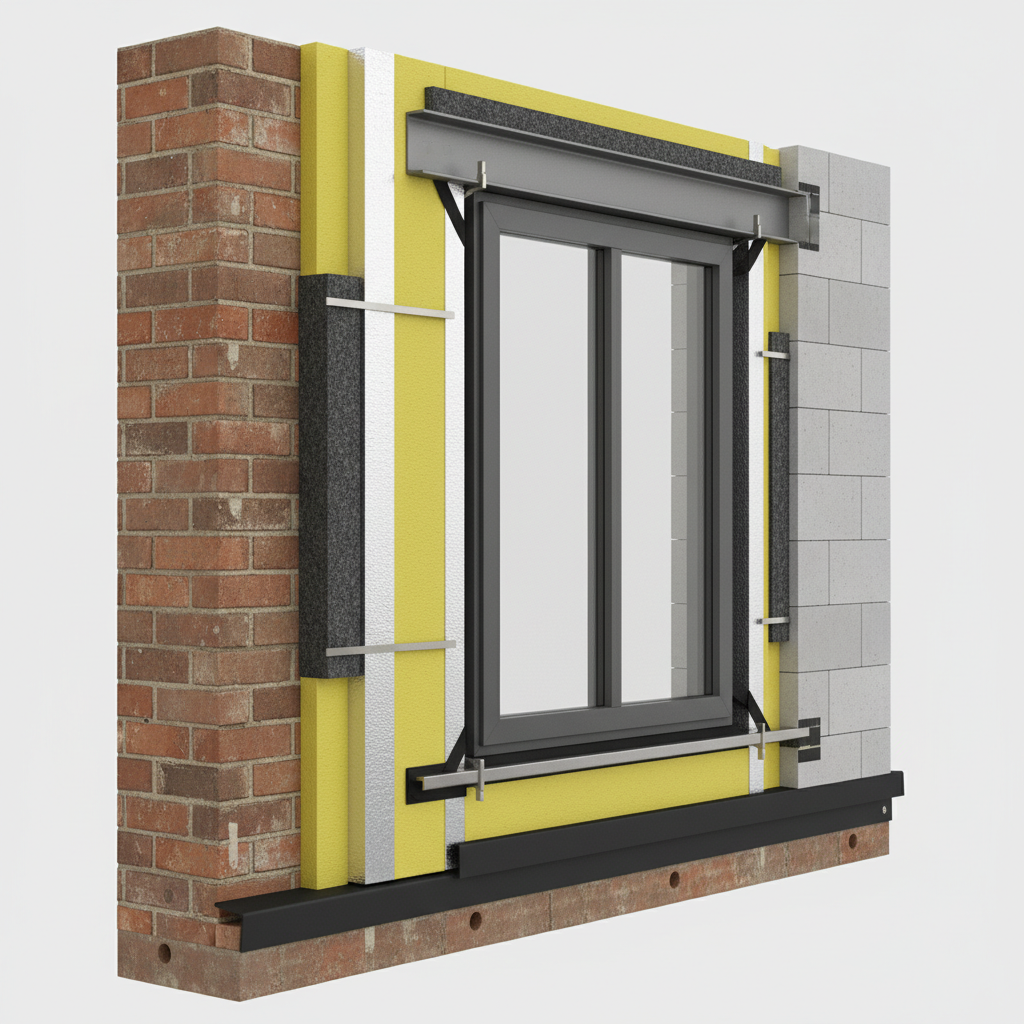
Modern structural retrofitting employs various techniques to strengthen existing buildings against current demands. Seismic retrofitting is particularly important in vulnerable regions and typically involves adding shear walls, steel bracing, or base isolation systems to improve a building’s response to earthquake forces. These interventions can significantly reduce the risk of catastrophic failure during seismic events.
For vertical load capacity issues, engineers might specify column strengthening through concrete jacketing, steel reinforcement, or fiber-reinforced polymer wrapping. Floor systems may require additional support or complete replacement to meet current loading requirements. In concrete structures, carbon fiber reinforcement has become increasingly popular due to its minimal impact on architectural features and high strength-to-weight ratio. The American Society of Civil Engineers notes that modern retrofit techniques can extend a commercial building’s useful life by 30-50 years when properly implemented.
Building Systems and Energy Code Compliance
Beyond structural concerns, modern building codes place significant emphasis on energy efficiency and building system performance. Commercial retrofits typically require substantial upgrades to mechanical, electrical, and plumbing systems to meet current standards. These improvements often include replacing outdated HVAC equipment, enhancing insulation, upgrading to energy-efficient lighting, and implementing smart building controls.
Building envelope improvements are frequently necessary to meet thermal performance requirements and prevent moisture issues. These may include replacing windows, adding continuous insulation, and improving air barriers. According to the Building Services Research and Information Association (BSRIA), comprehensive energy retrofits can reduce a commercial building’s energy consumption by 25-50%, creating significant operational cost savings that help offset the initial investment.
Case Studies: Successful Commercial Retrofits
A notable example of successful commercial retrofitting is the Empire State Building renovation completed in 2010. This comprehensive retrofit included window replacements, radiator insulation, improved air handling units, and a modernized building management system. The project achieved a 38% reduction in energy usage while bringing the historic structure into compliance with modern codes.
In the UK, The Shard demonstrates how adaptive reuse and structural upgrades can transform outdated buildings into contemporary landmarks. While not a retrofit of the original building (which was demolished), the project incorporated modern structural systems, high-performance glazing, and advanced mechanical systems to create a building that exceeds current code requirements. Similar principles apply to retrofit projects, where balancing preservation with structural safety remains a key challenge for engineers and architects alike.
Cost Considerations and ROI
Commercial building retrofits represent significant investments, with costs varying widely depending on the building’s age, condition, and the extent of required upgrades. A typical comprehensive retrofit may cost between £100-300 per square foot, with structural improvements generally accounting for 20-40% of the total budget.
Despite these substantial upfront costs, retrofitting often provides compelling financial returns through multiple channels. Energy savings typically range from 20-50%, depending on the scope of improvements. Property values generally increase by 5-10% following comprehensive retrofits, while insurance premiums may decrease due to reduced risk profiles. Additionally, modern, code-compliant buildings typically command higher rental rates and experience lower vacancy rates than outdated properties. Future-proofing commercial buildings through thoughtful structural design can further enhance these returns by reducing the need for additional upgrades as codes continue to evolve.
Conclusion
Retrofitting commercial buildings for modern code compliance represents a critical investment in safety, sustainability, and long-term value. While these projects present technical challenges and require significant capital, they deliver substantial benefits through improved structural resilience, reduced operational costs, and enhanced occupant safety and comfort. By engaging qualified structural engineers early in the process, building owners can develop efficient retrofit strategies that balance code compliance with practical and financial considerations.
Sources
Institution of Structural Engineers – Building Conservation and Adaptation
Building Research Establishment – Building Resilience
American Society of Civil Engineers – Retrofitting Aging Buildings