
Reinforcing Load-Bearing Walls for New Openings
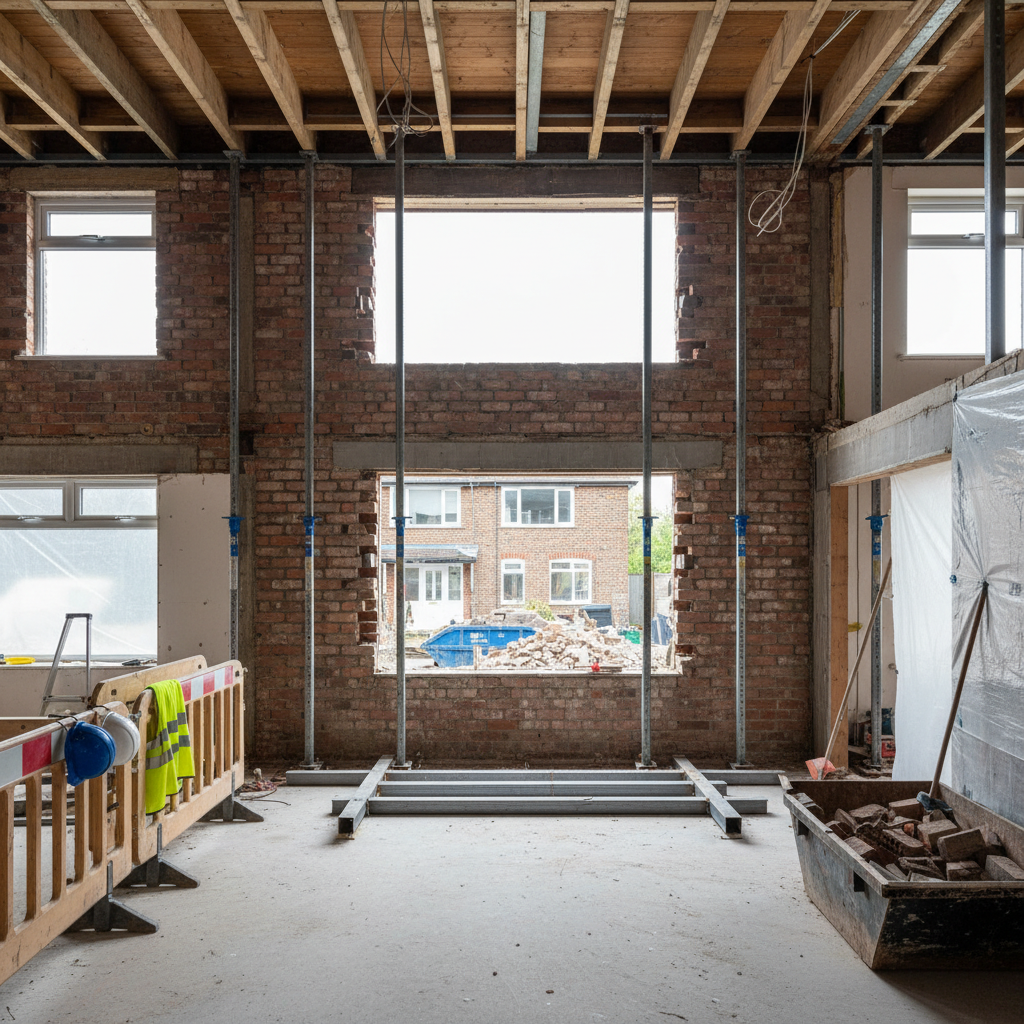
Creating new openings in load-bearing walls is a common requirement when modernising homes or creating open-plan living spaces. These structural modifications require careful planning, professional assessment, and proper reinforcement techniques to ensure the building’s stability and safety are maintained.
Key Highlights
Here are the essential points to understand about reinforcing load-bearing walls for new openings:
- Professional structural assessment is required before any load-bearing wall is modified.
- Steel beams and lintels are typically installed to transfer loads above new openings.
- Building regulations approval is mandatory for structural alterations to load-bearing walls.
- Temporary support structures are essential during the modification process.
- The size and location of the opening affect the complexity and cost of reinforcement needed.
Initial Assessment and Planning Process

The first step in creating a new opening in a load-bearing wall is to conduct a thorough structural assessment. A qualified structural engineer will need to visit your property to evaluate the wall in question and determine whether it’s load-bearing and what structural elements it supports. This assessment typically involves examining the direction of floor joists, checking the position of the wall in relation to the overall structure, and possibly reviewing original building plans if available.
Once the load-bearing nature is confirmed, the engineer will calculate the structural loads that need to be supported and design an appropriate reinforcement solution. This design considers factors such as the span of the proposed opening, the loads from floors or roof above, and the condition of the existing structure. The resulting structural calculations and drawings will form part of your Building Regulations application, which must be approved before work can begin.
Preparing for Structural Modifications
Before any cutting or removal of the existing wall can take place, adequate temporary support structures must be installed. These typically consist of adjustable steel props or timber supports positioned on either side of the wall section to be removed. The temporary supports must remain in place until the permanent reinforcement is fully installed and operational.
The preparation phase also includes protecting the surrounding areas from dust and debris, relocating any electrical wiring or plumbing that runs through the wall, and ensuring access routes for bringing in materials like steel beams. For larger openings, specialist equipment may be needed to manoeuvre heavy structural elements into position. Proper planning at this stage helps prevent unexpected complications during the actual modification process and minimises the time your home’s structure spends in a transitional state.
Steel Beam Installation Techniques
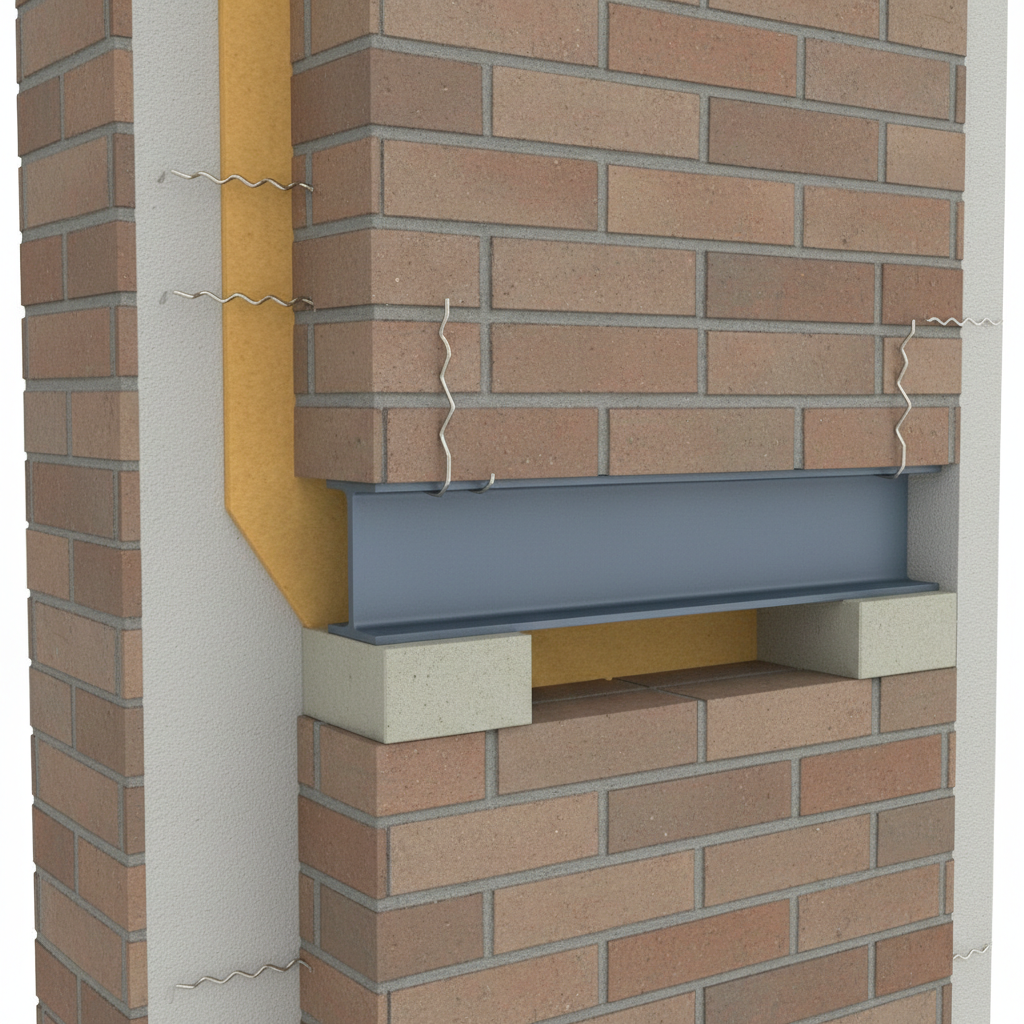
For most residential load-bearing wall openings, steel beams are the preferred reinforcement method. These beams—typically RSJs (Rolled Steel Joists) or Universal Beams—are sized according to the structural calculations to safely transfer the loads from above. Installation begins by creating pockets in the wall where the beam ends will rest on solid support, usually on padstones that distribute the concentrated load to prevent local crushing of the masonry.
The beam is then carefully lifted into position, often requiring several people or specialised lifting equipment for larger sizes. Once positioned, the beam is checked for level and properly bedded on both ends. For wider openings or particularly heavy loads, additional support columns might be required. After the primary steel beam is secured, the temporary supports remain in place while the wall section below is carefully removed. Only when the engineer has inspected and approved the installation can the temporary supports be removed.
Creating Structurally Sound Openings
Following beam installation, the remaining work focuses on completing the opening to ensure structural integrity and a finished appearance. The sides of the new opening typically require additional reinforcement with concrete blocks or engineering bricks to provide solid support for the beam ends. Any exposed steel may need fire protection treatment to comply with building regulations, as unprotected steel can lose strength rapidly in a fire situation.
For smaller openings, pre-cast concrete or steel lintels may be used instead of full steel beams. These are particularly common for doorways or smaller window openings. The choice between lintels and beams depends on the span of the opening and the load being supported. In some cases, especially in older properties, additional reinforcement of the surrounding wall may be necessary if the existing masonry is in poor condition or if the opening is close to a corner or another structural element.
Finishing and Building Control Approval

Once the structural work is complete, the finishing process begins to integrate the new opening with the existing interior. This typically involves plastering around the opening, adding architraves or door frames if required, and decorating to match the surrounding areas. The steel beam is usually boxed in with plasterboard to create a flush ceiling appearance, although in some contemporary designs, exposed beams may be left as a feature.
Before the project can be considered fully complete, a Building Control inspection must be carried out. The inspector will check that the work has been completed according to the approved plans and that it complies with current building regulations. This inspection is critical as it ensures the structural modification is safe and will provide documentation that may be required when selling the property in the future. Once approved, you’ll receive a completion certificate that should be kept with your property documents.
Long-Term Considerations for Modified Walls
After creating a new opening in a load-bearing wall, it’s important to monitor the structure for any signs of settlement or movement. Some minor settlement may occur in the weeks following the modification, which might appear as small hairline cracks in plaster or slight sticking of doors near the opening. While most minor settling is normal, significant cracks or ongoing movement should be promptly investigated by a structural engineer.
The structural integrity of your modified wall should remain sound for the life of the building if properly designed and installed. However, any future renovations or additional structural changes near the modified area should take into account the existing reinforcements. When planning subsequent modifications, having documentation of the previous work, including the structural calculations and Building Control certificates, will be invaluable for your engineer to understand how loads are currently being transferred through your home’s structure.
Conclusion
Creating new openings in load-bearing walls can transform living spaces and improve the flow and functionality of a home when done correctly. The process requires professional engineering input, careful planning, and strict adherence to building regulations to ensure structural safety. By understanding the reinforcement process and working with qualified professionals, homeowners can achieve their desired open-plan layouts while maintaining the structural integrity of their properties.