

Training the Next Generation of Structural Engineers
The structural engineering field is experiencing significant change with advancements in technology, materials, and design methodology. Educational institutions and industry leaders are working together to develop comprehensive training programs that equip the next generation of structural engineers with both fundamental engineering principles and cutting-edge technical skills.
Key Highlights
Here are the essential elements of modern structural engineering education:
- Integration of digital modeling and computational analysis in core curriculum
- Emphasis on sustainable design principles and low-carbon construction
- Industry-academia partnerships providing real-world project experience
- Development of soft skills including communication and project management
- Continuous professional development frameworks for career-long learning
Modern Education Foundations
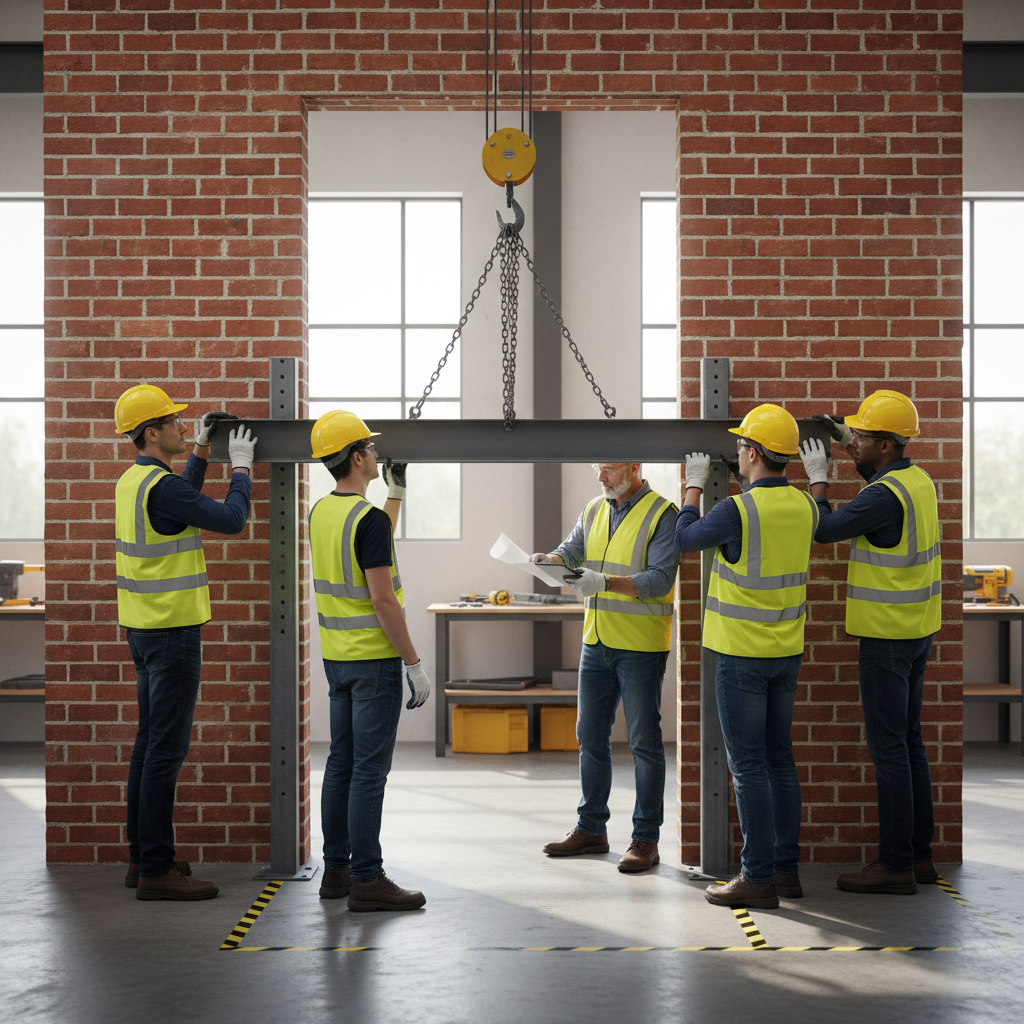
Today’s structural engineering education has evolved beyond the traditional mathematics and physics foundation. Universities are implementing problem-based learning approaches where students tackle complex structural challenges from their first year. This pedagogical shift encourages critical thinking and practical application rather than rote memorization of formulas and theories. Students now spend significant time in collaborative studio environments that mirror professional practice, working on design projects that increase in complexity throughout their degree program.
According to the Engineering Council UK, the accreditation standards for engineering degrees now require demonstration of design capabilities in realistic scenarios. This has led to curriculum redesigns incorporating integrated design projects where students must consider not only structural integrity but also constructability, cost, environmental impact, and client requirements. Many universities have established innovation labs where students can prototype and test structural elements, providing hands-on experience with materials behavior and structural performance verification.
Digital Skills Integration
Contemporary structural engineering education places significant emphasis on computational literacy and digital tools. Students are now introduced to Building Information Modeling (BIM) and parametric design software from early in their studies, rather than as specialized electives. These digital skills are increasingly viewed as fundamental rather than advanced, reflecting the reality of modern engineering practice where computational design and analysis are standard.
The integration of digital tools extends beyond simply teaching software operations. Students learn to critically evaluate computational results, understand the underlying assumptions of different analysis methods, and develop judgment about when simplified or advanced modeling is appropriate. This digital integration is creating graduates who can more seamlessly transition into professional roles, as discussed in our article about addressing the structural engineering skills gap.
Sustainable Design Education

Sustainability has become a core component of structural engineering education rather than an optional specialization. Students now receive comprehensive training in embodied carbon assessment, life cycle analysis, and circular economy principles applied to structural systems. This education includes understanding the environmental impact of different structural materials and learning techniques for optimizing material usage while maintaining structural integrity.
According to the Institution of Structural Engineers, their curriculum guidelines now require sustainability to be embedded throughout the program rather than taught as a standalone module. Students learn to perform whole-life carbon assessments for structures and develop skills in retrofitting existing buildings—an increasingly important area as the industry focuses on reducing carbon emissions. They’re also exposed to emerging low-carbon materials and innovative structural systems that can reduce environmental impact, preparing them for a future where sustainable design is the standard expectation rather than an added value service.
Industry-Academia Collaboration
The gap between academic theory and industry practice is narrowing through structured collaboration programs. Many universities have established industry advisory boards that provide input on curriculum development, ensuring that educational programs remain relevant to current and emerging practice. These collaborations often include visiting practitioner lectures, industry-sponsored design projects, and structured internship programs that give students exposure to real-world engineering challenges.
Professional engineering bodies are taking a more active role in undergraduate education, with organizations like the Institution of Civil Engineers and the Institution of Structural Engineers providing resources, competitions, and early career membership options for students. This connection to the profession helps students develop their professional identity and understand the ethical responsibilities of structural engineers to public safety and welfare. The technological advancement in the profession, including the impact of AI on structural engineering, is being rapidly incorporated into educational programs through these industry connections.
Professional Skills Development

Engineering education now recognizes that technical expertise alone is insufficient for career success. Modern programs incorporate communication skills training, teaching students how to convey complex engineering concepts to both technical and non-technical audiences. These skills are developed through presentation requirements, technical report writing, and interdisciplinary project work where engineers must collaborate with architects, contractors, and other stakeholders.
Project management and business fundamentals are increasingly incorporated into engineering curricula. Students learn about construction sequencing, cost estimation, risk management, and contract administration—skills traditionally acquired only after graduation. Many programs now include simulated design-build projects where student teams must manage schedules, budgets, and client expectations while delivering technically sound solutions. This broader skill set is preparing graduates who can contribute more effectively from the start of their careers and advance more quickly to leadership roles.
Lifelong Learning Frameworks
Engineering education is increasingly viewed as the beginning of a continuous learning journey rather than a completed qualification. Universities and professional bodies are developing structured pathways that connect undergraduate education to professional qualification and ongoing development. These pathways include formal mentoring programs, chartered engineer development schemes, and specialized post-qualification courses that help engineers develop expertise in emerging areas.
The concept of lifelong learning is embedded in structural engineering education, with students learning how to self-assess their knowledge gaps and develop plans for continued professional growth. This approach acknowledges the rapidly evolving nature of the field, where new materials, computational methods, and design approaches emerge regularly, as highlighted in our overview of structural engineering innovations shaping future projects. Graduates enter the profession with the expectation that learning will continue throughout their careers, supported by professional development frameworks established by engineering institutions and forward-thinking employers.
Conclusion
Training the next generation of structural engineers requires a multifaceted approach that balances technical fundamentals with digital fluency, sustainable design principles, and professional skills development. The evolution of engineering education reflects the changing demands of the profession, with greater emphasis on integrated design thinking, computational methods, and collaboration across disciplines. As the field continues to advance, educational institutions and industry partners will need to maintain this adaptive approach, ensuring that tomorrow’s structural engineers are prepared to solve increasingly complex challenges with creativity and technical excellence.
Sources
Engineering Council UK Accreditation Standards
Institution of Structural Engineers Curriculum Guidelines