
How Can You Reduce Embodied Carbon in Building Structures?
This article explains embodied carbon in building structures, outlining the impact of materials, measurement techniques, and reduction strategies. Learn how low-carbon alternatives, life cycle assessment, and design optimisation can lower your project’s environmental footprint while maintaining structural integrity.
How Does Circular Construction Minimise Waste and Enable Reuse?
This article explains circular construction, where buildings are designed for future recovery, reuse, and minimal waste. Discover how modular systems, reversible connections, and material documentation lower lifecycle costs and embodied carbon—creating structures that are adaptable, sustainable, and more environmentally friendly.
Decade of Innovation: 10 Structural Engineering Advances Shaping 2025 Projects
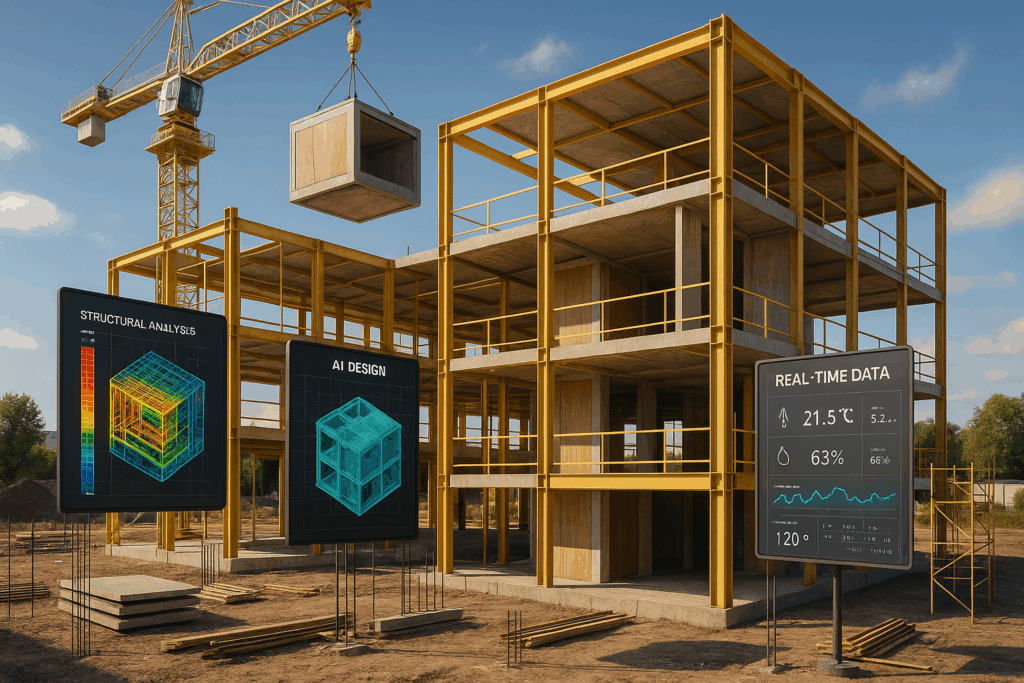
This article examines ten key structural engineering advancements driving the UK construction sector in 2025, including AI-driven design, BIM Level 3, modular construction, low-carbon materials, smart building technologies, updated regulations, and skills development to meet future sustainability, safety, and efficiency standards.
Historic Building Renovations: Balancing Preservation and Structural Safety
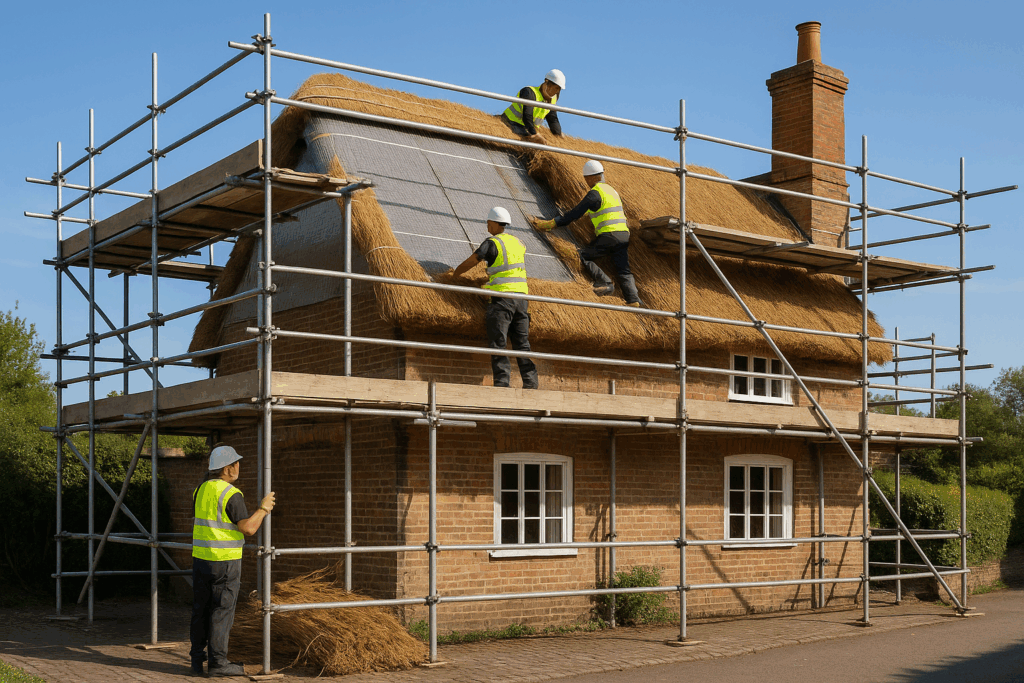
This article examines the challenges of renovating historic buildings in England, focusing on legal protections, structural safety, fire risk, energy efficiency conflicts, financial considerations, and workforce shortages. It highlights the balance between heritage preservation, regulatory compliance, and adapting historic structures for contemporary use.
Green Concrete and “Eco-Steel”: Low-Carbon Materials Revolutionizing Construction

This article examines the UK’s transition to sustainable construction materials, focusing on green concrete and eco-steel. It details technological advances, market growth, regional investments, policy frameworks like BREEAM, and challenges in decarbonising the building materials sector, highlighting opportunities for future industry leadership.
Designing for Climate Resilience: Building Structures to Withstand Extreme Weather
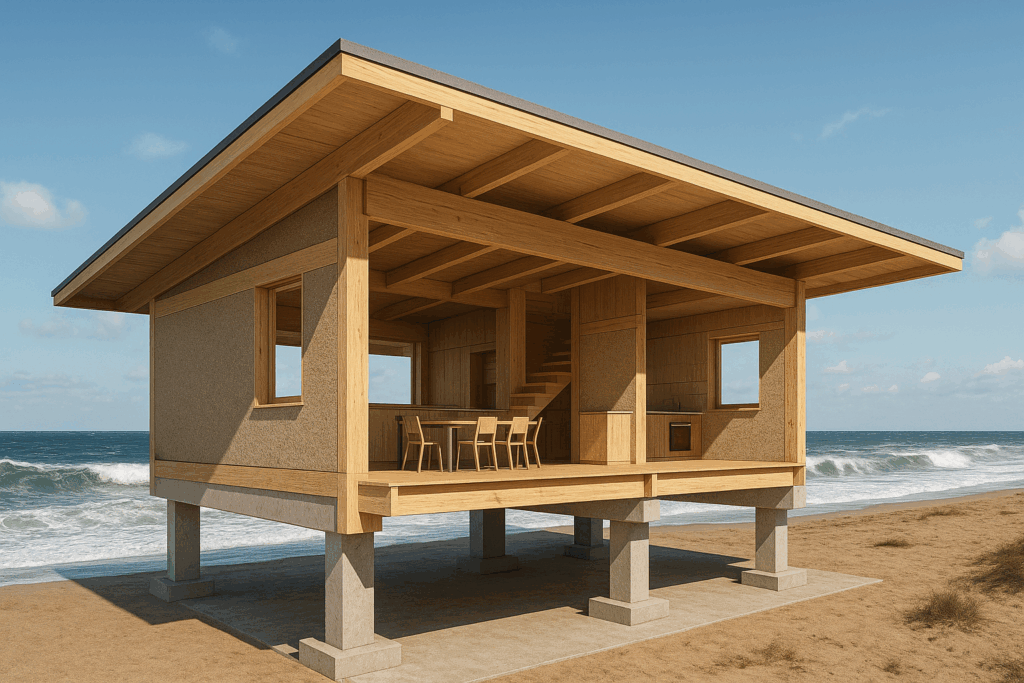
This article examines how UK construction is adapting to climate change, focusing on extreme weather resilience, the use of sustainable materials, regulatory challenges, flood and overheating mitigation, and the economic benefits of proactive climate-resilient design in both new builds and retrofitting projects.
The Rise of Mass Timber: How Wood is Making a Comeback in Modern Structures
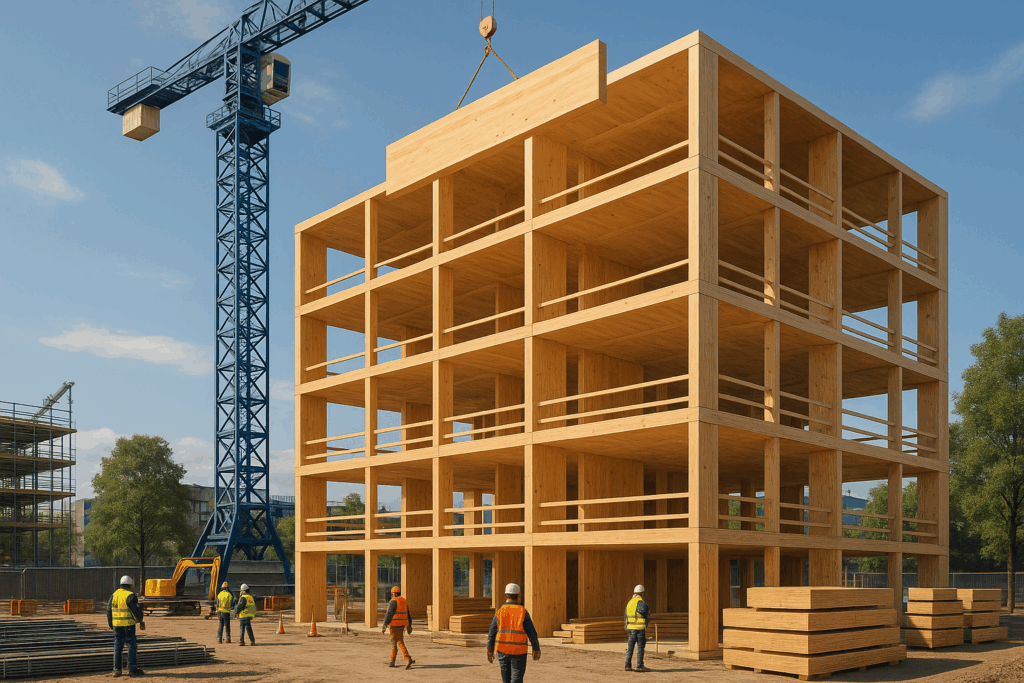
This article examines the rise of mass timber construction in the UK, highlighting environmental benefits, landmark projects, government initiatives, fire safety regulations, economic factors, and future prospects. It explores how mass timber supports net zero goals and the sector’s challenges and innovations.
Top 5 Structural Engineering Trends in 2025: From AI Design to Green Construction
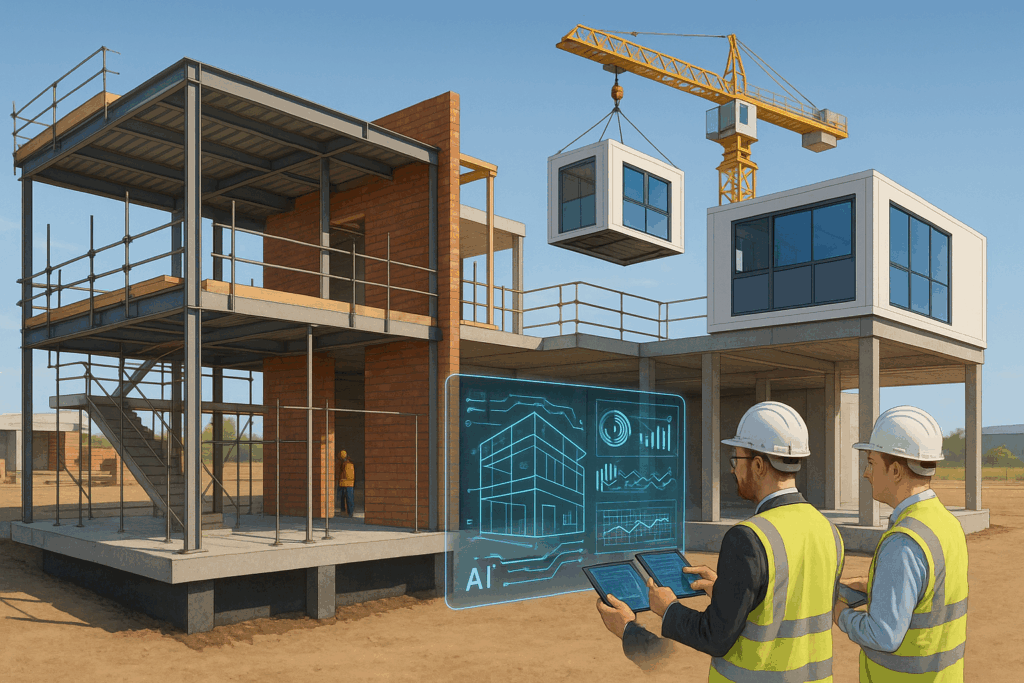
This article examines the top structural engineering trends in the UK for 2025, including AI-driven design, digital twins, modern methods of construction, sustainability mandates, IoT technologies, and climate resilience, highlighting advances, regulatory changes, and challenges shaping future construction practices.
Self-Healing Concrete: Smart Materials That Could Repair Themselves
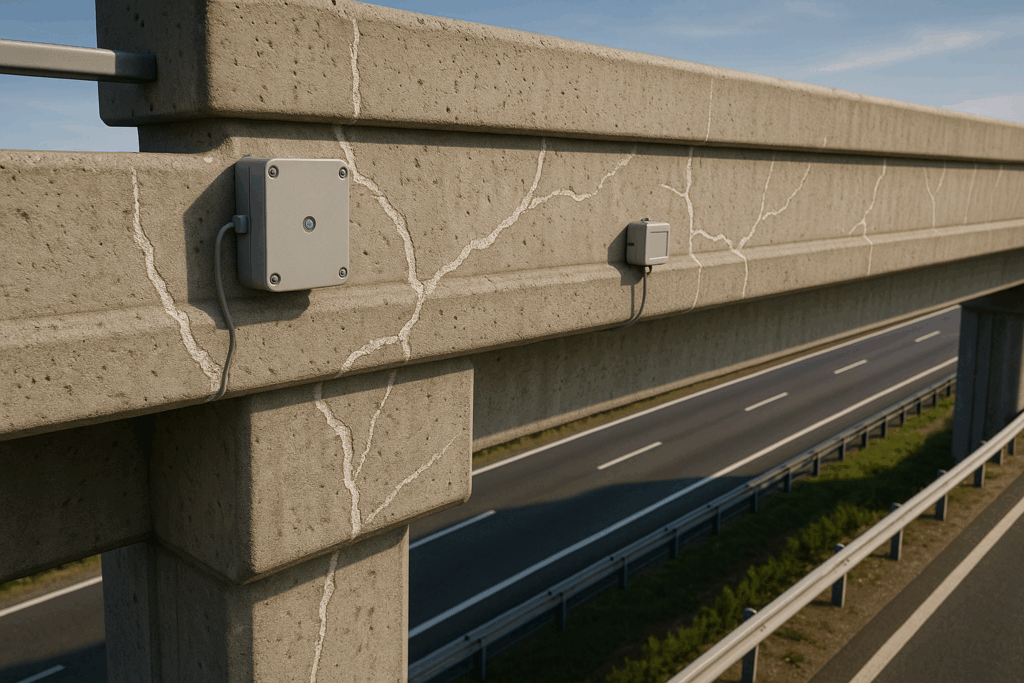
This article examines self-healing concrete technologies in the UK, detailing how bacteria, polymers, and microcapsules enable cracks to repair themselves. It explores real-world infrastructure applications, economic and sustainability benefits, digital integration with smart sensors, and future research directions shaping commercial adoption.
Prefabrication & Offsite Construction: How Modular Design is Transforming Building
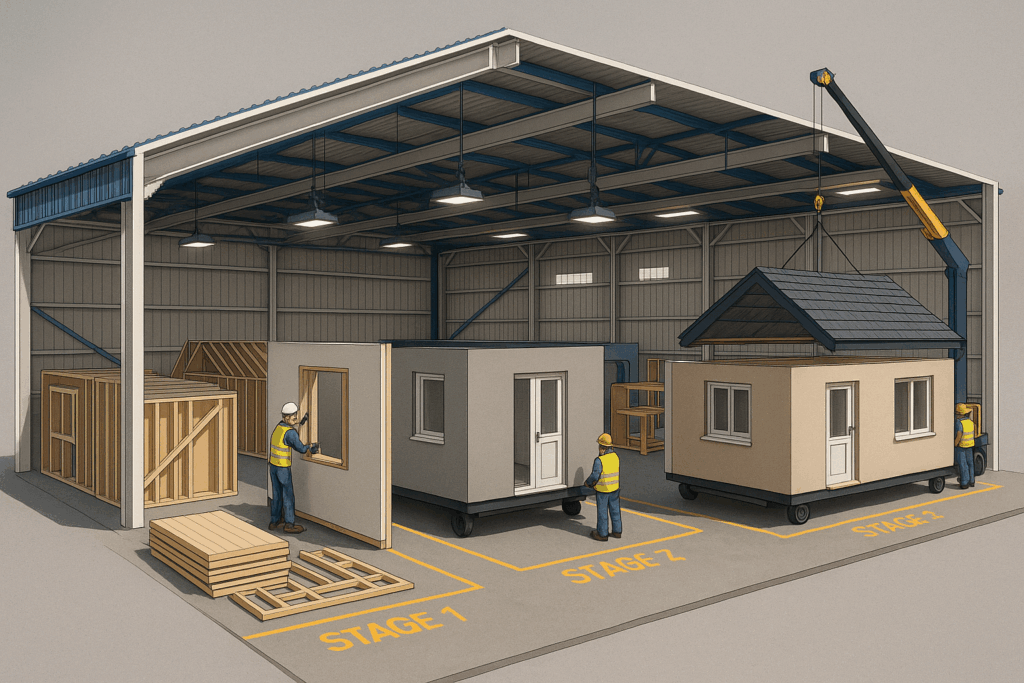
This article examines the rapid growth of prefabrication and modular construction in the UK, exploring technological, regulatory, and environmental drivers. It covers government policy, reduced carbon emissions, labour efficiencies, recent market challenges, and the evolving standards shaping the future of offsite construction.