
How Is Deflection Managed in Long-Span Slabs and Roofs?
This article explores strategies for controlling deflection in long-span concrete slabs and roof structures. It covers assessment techniques, design strategies like pre-cambering and post-tensioning, compliance with relevant codes, and ongoing construction monitoring to ensure lasting structural integrity and serviceability.
How Can You Reduce Embodied Carbon in Building Structures?
This article explains embodied carbon in building structures, outlining the impact of materials, measurement techniques, and reduction strategies. Learn how low-carbon alternatives, life cycle assessment, and design optimisation can lower your project’s environmental footprint while maintaining structural integrity.
How Is Vibration Control Designed in Commercial Floor Systems?
This article explains key factors in vibration control for commercial floors, covering natural frequency targets, material selection, structural strategies, damping measures, and practical verification to ensure comfort and performance in modern commercial buildings.
Which Is Stronger: Reinforced Concrete or Masonry Walls?
This article explains the differences between reinforced concrete and masonry walls, comparing their structural strength, durability, cost-effectiveness, and environmental impact to help homeowners choose the right wall system for their construction project.
How Will Graphene and Composites Transform Construction Materials?
Explore how advanced composites and graphene-enhanced materials are set to revolutionise construction. Learn about the benefits of greater strength, sustainability, and longevity, and how these innovations could shape future structural engineering and eco-friendly building design.
What Are the Advantages and Design Factors for Precast Concrete?
This article explores precast concrete construction, detailing its manufacturing process, quality control, design flexibility, and sustainability benefits. Learn how precast systems can speed up projects, enhance structural integrity, and support a range of applications for homeowners and commercial builders.
Flood-Resilient Design: Structural Strategies for Building in Flood Zones
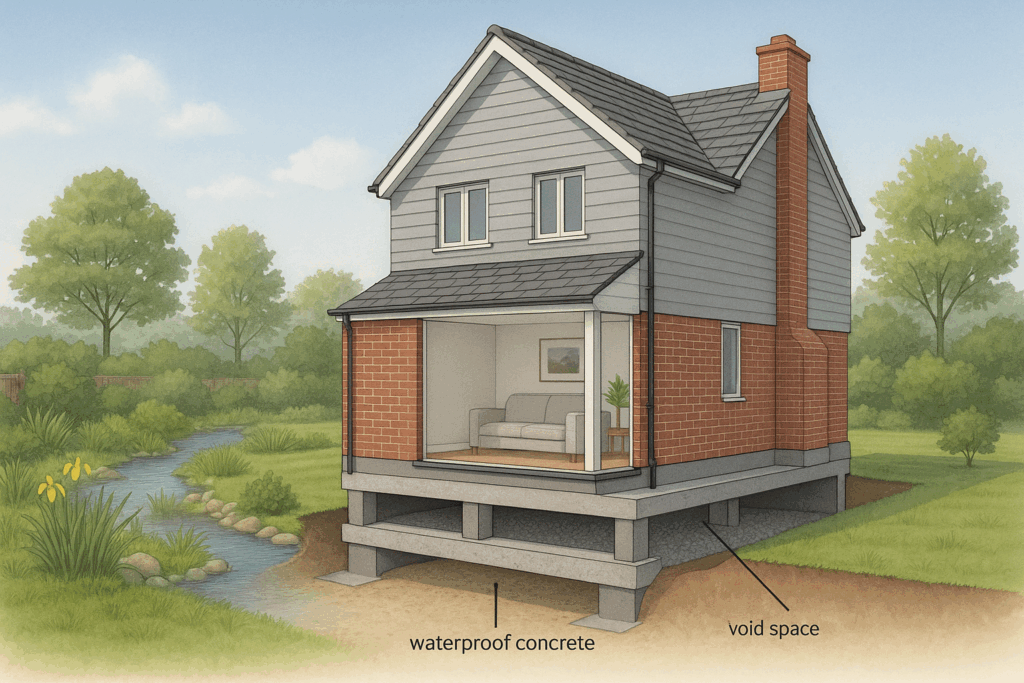
This article examines flood-resilient structural design in the UK, outlining risk assessments, material selection, regulatory frameworks, case studies, and the impact of climate change. It highlights key design principles, economic considerations, and emerging technologies supporting sustainable, resilient construction in flood-prone areas.
Retaining Walls for Gardens: Do You Need a Structural Design?
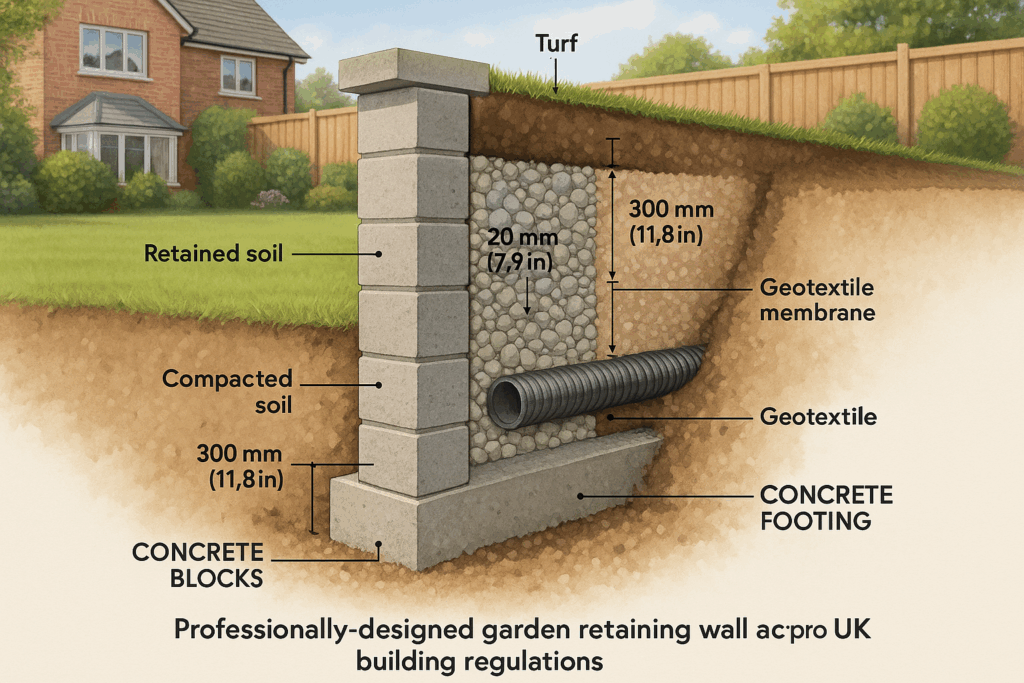
This article details the structural, legal, and safety requirements for building retaining walls in UK gardens, highlighting regulations, design thresholds, cost considerations, material options, drainage needs, and regional enforcement variations to help homeowners ensure compliance and long-term wall performance.
Steel vs. Concrete vs. Timber: Choosing the Right Structural System for Your Project
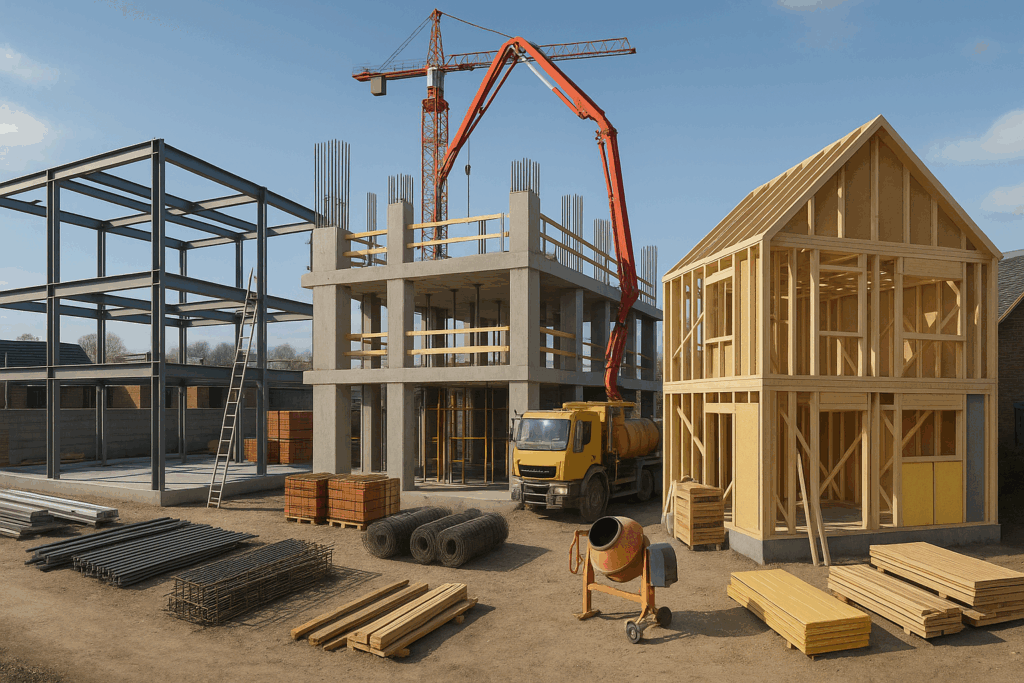
This article compares steel, concrete, and timber as structural systems, analyzing their market shares, cost efficiencies, sustainability credentials, and regulatory impacts in the UK. It highlights regional preferences, emerging hybrid solutions, and evolving trends in material selection and construction practices.