

Lightweight Construction: Advantages and Pitfalls in Modern Buildings
Lightweight construction methods have transformed the building industry by offering faster build times and reduced material costs compared to traditional construction. These techniques, which include timber frame, steel frame, and prefabricated systems, prioritize efficiency while maintaining structural integrity for residential and commercial projects.
Key Highlights
Here are the essential points about lightweight construction methods:
- Lightweight structures can reduce foundation costs by up to 30% compared to traditional methods
- Modern lightweight materials offer strength-to-weight ratios up to 5 times greater than conventional materials
- Properly designed lightweight buildings can achieve thermal performance improvements of 20-40%
- These methods typically reduce construction time by 30-50% versus traditional techniques
- Special considerations are needed for fire protection, acoustic performance, and weatherproofing
The Evolution of Lightweight Construction

Lightweight construction has evolved significantly over the past several decades, moving from experimental techniques to mainstream building methods. The shift began with the adoption of timber frame construction in the 1970s, which offered faster assembly and better insulation than traditional masonry. Today’s lightweight systems incorporate advanced materials including engineered timber products, light gauge steel, and composite materials that combine high strength with minimal weight. This evolution has been driven by demands for more sustainable building practices and the need to reduce embodied carbon in construction.
Benefits of Modern Lightweight Systems
The appeal of lightweight construction lies in its remarkable efficiency advantages. These systems typically require less heavy machinery and fewer workers on site, substantially reducing labour costs and site disruption. Transportation costs are also minimised, as materials are lighter and often pre-cut or fabricated. According to the Structural Timber Association, timber frame homes can be weather-tight in as little as one week, compared to several weeks for traditional construction. Additionally, lightweight construction methods integrate well with prefabricated construction techniques, further enhancing speed and quality control in building projects.
Structural Considerations and Design
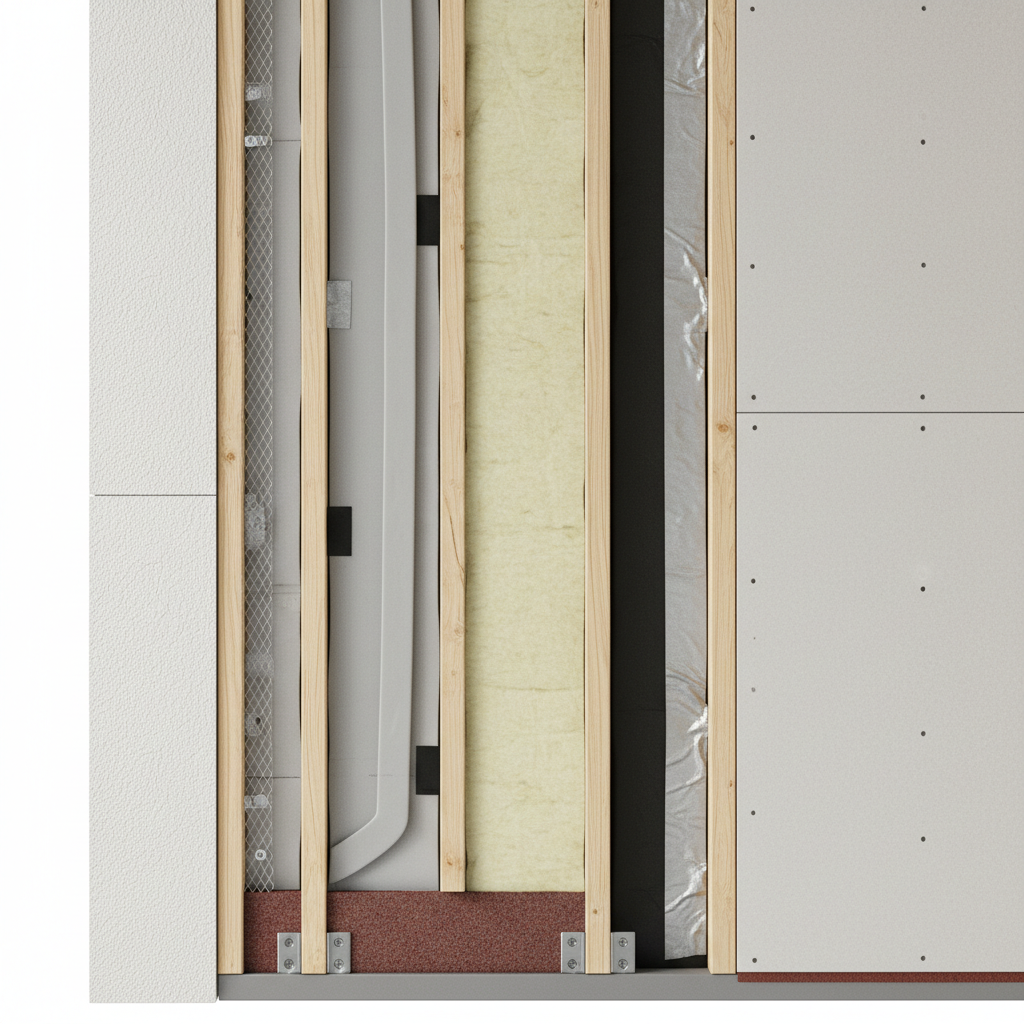
Designing lightweight structures requires specific engineering expertise to ensure they perform as intended. The reduced dead load of lightweight buildings means foundations can often be less substantial, generating significant cost savings. However, engineers must carefully consider lateral stability against wind loads, which can have proportionally greater effects on lighter structures. The Building Research Establishment (BRE) notes that lightweight timber and steel frame systems must incorporate appropriate bracing and connection details to maintain structural integrity. For taller buildings, hybrid approaches may be necessary, combining lightweight elements with more massive components to resist overturning forces and provide adequate stiffness.
Technical Challenges and Solutions
Despite their advantages, lightweight construction methods present specific technical challenges that require careful attention. Fire performance is a key consideration, with appropriate fire barriers and compartmentation being essential elements of design. Acoustic performance can also be challenging, as lighter materials naturally provide less sound insulation than massive elements. Solutions include resilient bars, acoustic quilts, and floating floor systems to mitigate sound transmission. The Steel Construction Institute recommends specific detailing for thermal bridging prevention in lightweight steel construction, ensuring that the theoretical thermal performance translates to actual energy efficiency. These technical considerations are increasingly important as building regulations continue to tighten requirements for safety and comfort.
Durability and Long-term Performance
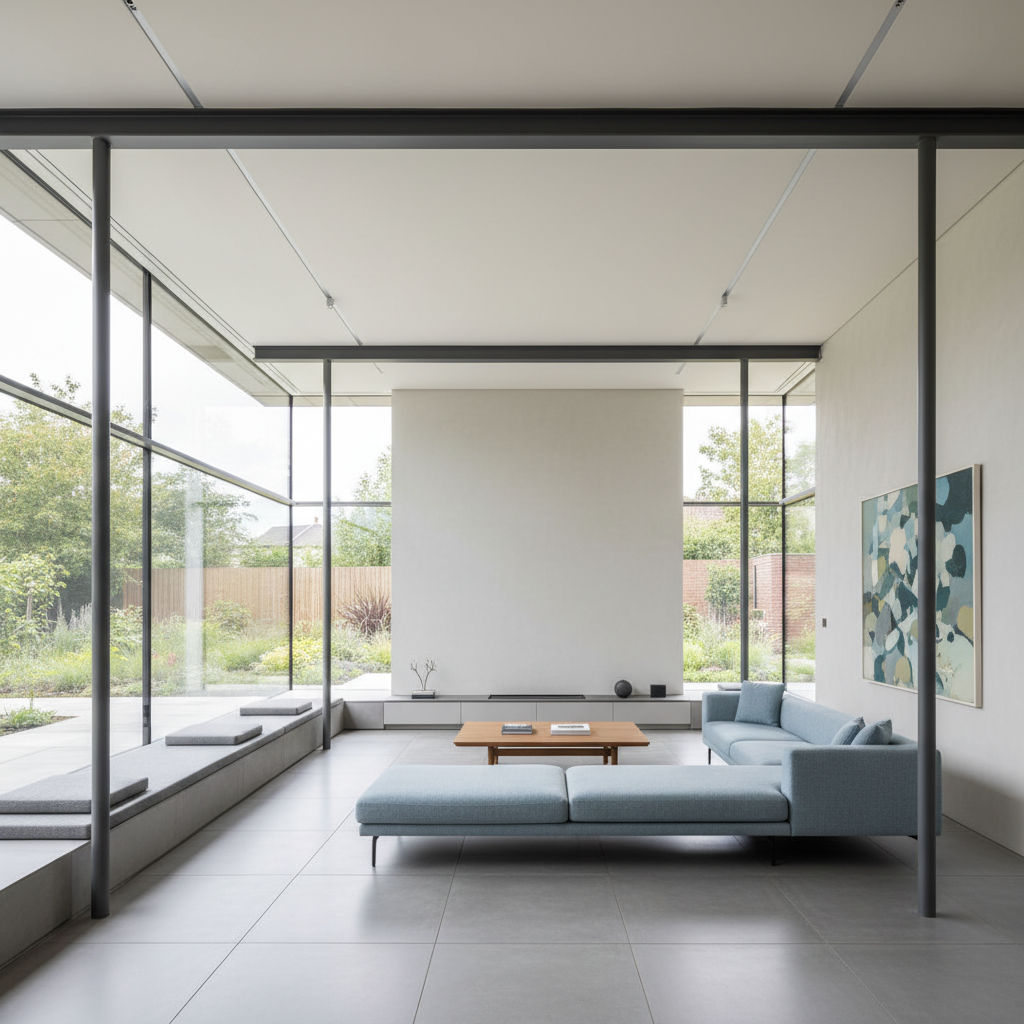
When properly designed and constructed, lightweight buildings can offer excellent durability and long-term performance. The National House Building Council (NHBC) reports that well-built timber frame homes have a design life comparable to traditional construction methods. Moisture management is particularly critical in lightweight structures, with careful detailing of vapour barriers, ventilation, and weatherproofing essential to prevent issues. Modern treatments for timber and protective coatings for steel significantly enhance resistance to decay and corrosion. Compared to mass timber construction, lightweight systems may require more regular maintenance, but typically offer better thermal performance due to increased insulation depth within wall and roof cavities.
Cost Implications and Value Engineering
The economic case for lightweight construction continues to strengthen as material costs rise and labour shortages persist in the construction industry. Initial material costs may sometimes be higher than traditional methods, but this is typically offset by reduced foundation costs and significantly faster construction schedules. A recent study by the Construction Industry Research and Information Association (CIRIA) found that lightweight framed buildings can reduce overall project costs by 10-15% when considering the full construction cycle. For homeowners and developers weighing different structural systems, lightweight methods often provide the best balance of cost, speed, and performance, particularly for small to medium-sized projects where rapid completion delivers significant financial benefits.
Conclusion
Lightweight construction offers compelling advantages in terms of speed, efficiency, and environmental impact when correctly designed and implemented. The success of these building methods depends on proper engineering, attention to technical details, and understanding the specific requirements of each project. As the construction industry continues to evolve towards more sustainable and efficient practices, lightweight construction will likely play an increasingly important role in building design and delivery.