
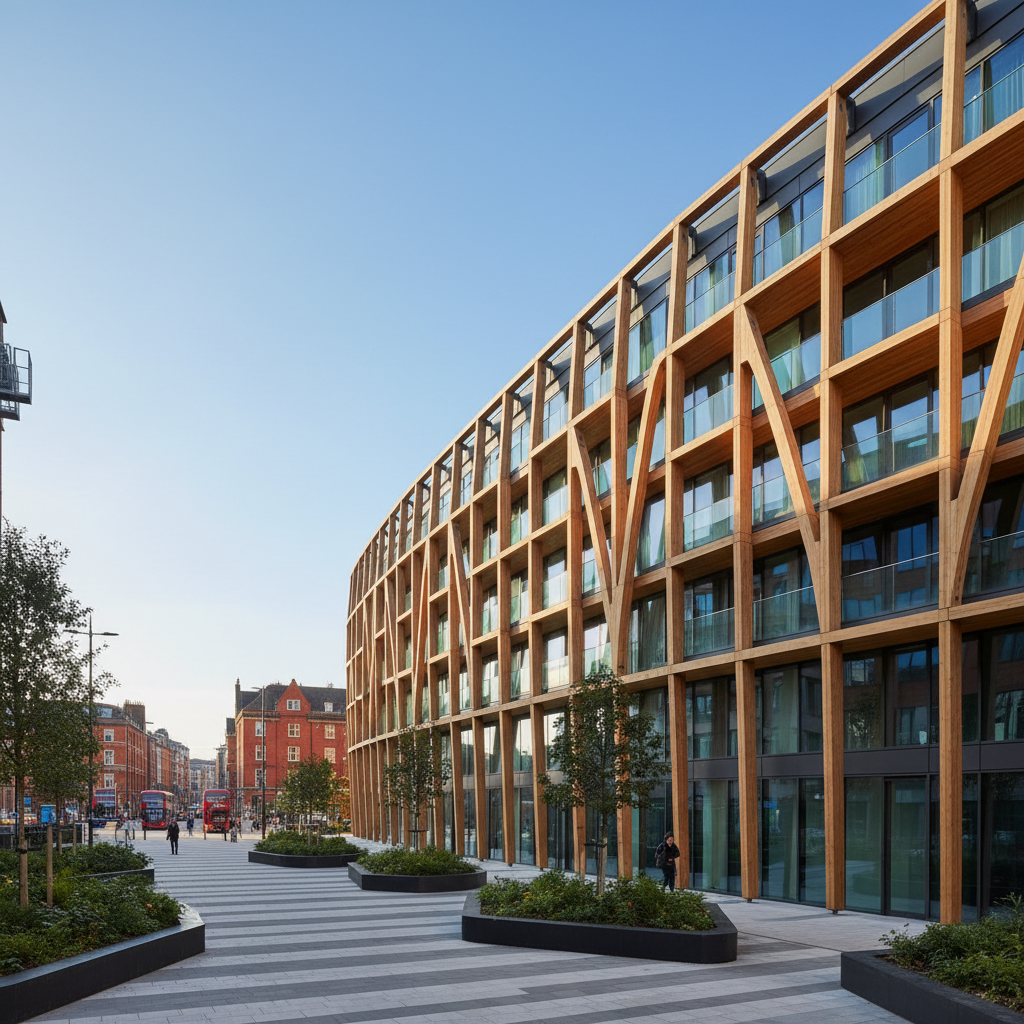
Tall Timber Construction: Opportunities and Design Challenges
Engineered timber has emerged as a sustainable alternative to traditional concrete and steel in multi-storey construction, offering carbon reduction benefits and faster build times. As the UK construction industry seeks to reduce its environmental impact, mass timber systems like cross-laminated timber (CLT) and glulam are changing the skyline of cities with buildings reaching new heights.
Key Highlights
Here are the essential points about tall timber construction:
- Modern engineered timber can safely reach 18+ storeys with proper design
- Timber structures can reduce embodied carbon by up to 75% compared to concrete
- Fire performance is addressed through char rates and encapsulation methods
- Prefabrication of timber elements can reduce on-site construction time by 30-50%
- Building regulations are evolving to accommodate timber high-rises
The Evolution of Tall Timber Structures
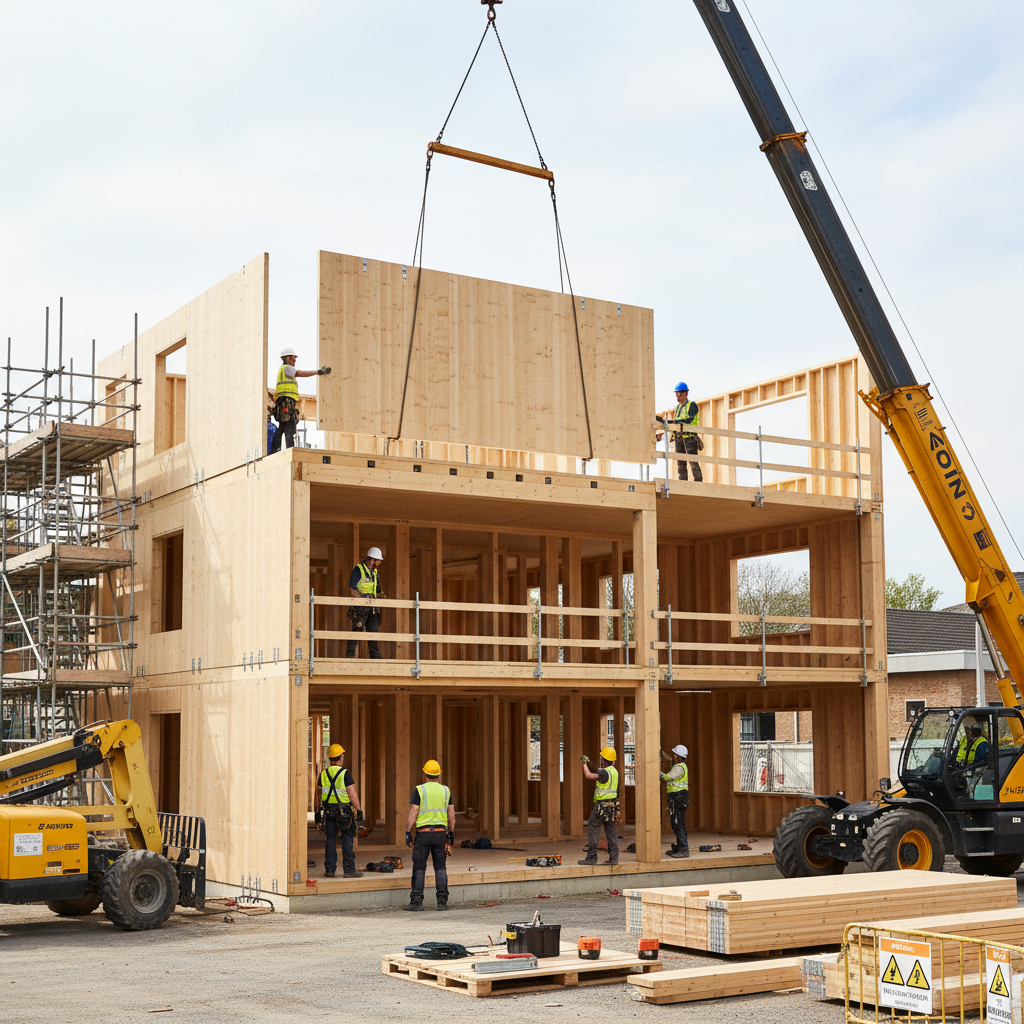
The concept of multi-storey timber buildings isn’t new, but modern engineering has transformed what’s possible. Historical timber buildings rarely exceeded 5-6 storeys due to material limitations and fire concerns. Today’s engineered timber products like cross-laminated timber (CLT) and glued laminated timber (glulam) have overcome these limitations through advanced manufacturing processes. These materials are created by layering boards in perpendicular directions and bonding them under pressure, resulting in structural elements with predictable performance characteristics.
According to the Timber Research and Development Association (TRADA), engineered wood products can now safely support buildings exceeding 18 storeys when properly designed. The rise of mass timber construction has been driven by both environmental concerns and technological advancements in timber engineering. Projects like Mjøstårnet in Norway (18 storeys) and Brock Commons in Canada (18 storeys) have demonstrated that timber can successfully challenge concrete and steel in the high-rise sector, setting new precedents for sustainable construction.
Environmental and Economic Benefits
The environmental advantages of tall timber construction are substantial and increasingly well-documented. Timber acts as a carbon store, with each cubic metre of wood sequestering approximately one tonne of CO₂ equivalent. When comparing the lifecycle carbon footprint of buildings, timber structures typically show 40-75% lower embodied carbon than equivalent concrete or steel buildings, according to research from the University of Cambridge.
Beyond carbon benefits, timber construction offers economic advantages through reduced construction times. The lighter weight of timber compared to concrete means foundations can be less substantial, saving on material costs and construction time. Prefabrication is another key advantage—timber elements are manufactured off-site to precise specifications, then assembled quickly on-site, reducing construction periods by 30-50%. This accelerated program translates to earlier occupancy and reduced financing costs for developers. Many tall timber projects report overall cost neutrality compared to conventional construction methods once these factors are considered.
Structural Design Considerations
Designing tall timber buildings requires addressing several critical engineering challenges. Lateral stability is paramount—timber’s lighter weight means designers must carefully consider wind loads and potential sway. Common solutions include concrete cores, braced frames, or hybrid systems that combine timber with steel or concrete elements. The Institution of Structural Engineers notes that hybrid systems often provide optimal solutions for buildings over 10 storeys, where timber carries vertical loads while concrete cores resist lateral forces.
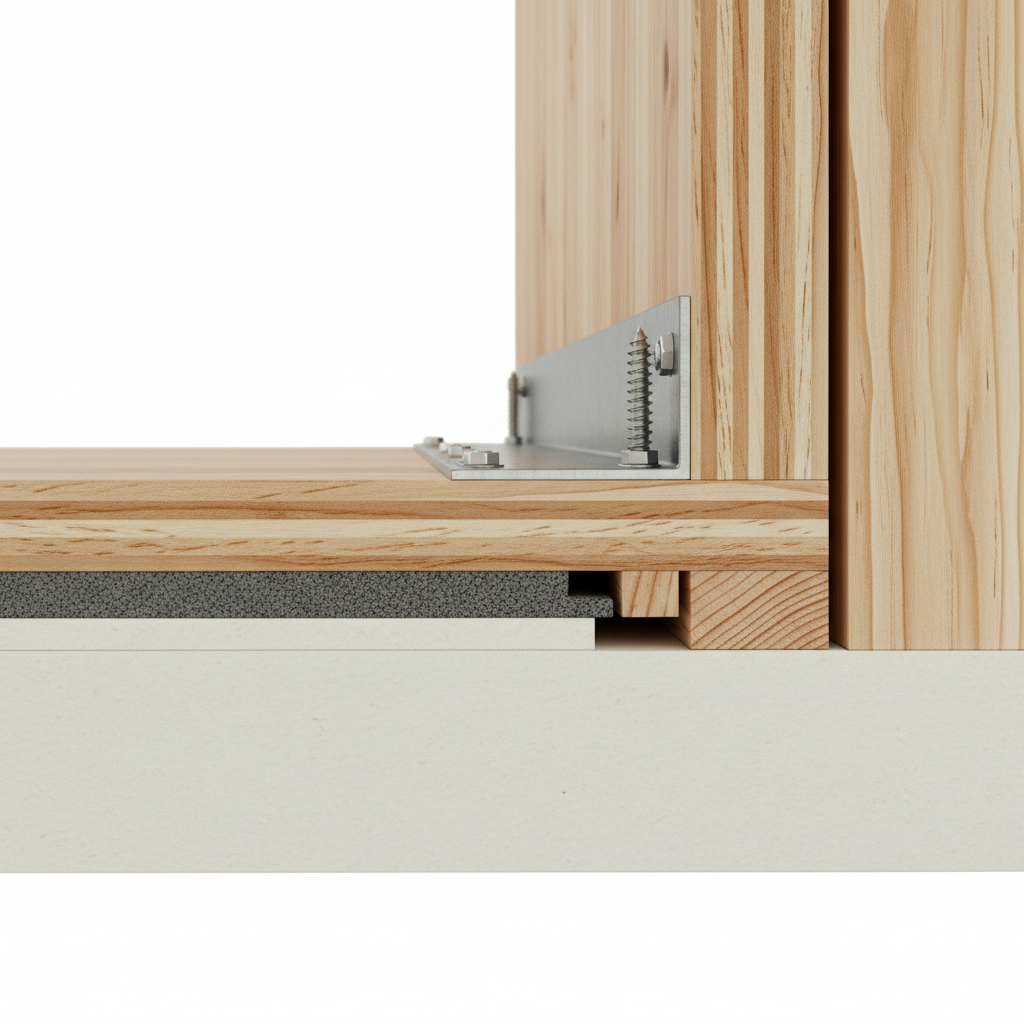
Connection design is another crucial aspect of tall timber structures. Traditional carpentry joints have evolved into sophisticated steel connectors, self-tapping screws, and hidden brackets. These connections must transfer loads while accommodating timber’s natural movement with changes in moisture content. Shrinkage and settlement must be calculated and allowed for, particularly in taller structures where cumulative effects can be significant. Engineers typically design for 5-7mm of vertical movement per storey height to prevent structural issues or damage to services and finishes over time.
Fire Safety and Building Regulations
Fire safety remains one of the most discussed aspects of tall timber construction, though many concerns are based on misconceptions about modern engineered timber. Unlike light timber frames, mass timber elements like CLT have predictable charring rates—typically 0.65mm per minute. This allows engineers to calculate the residual structural capacity after specified fire exposure periods. The Fire Protection Association confirms that properly designed mass timber buildings can achieve fire resistance ratings equivalent to concrete or steel structures.
UK building regulations have evolved to accommodate tall timber buildings, though regulations vary by location and continue to develop. Current approaches include limiting exposed timber surfaces, encapsulating structural timber within fire-resistant materials, and incorporating enhanced sprinkler systems. The regulatory landscape changed following the Grenfell Tower tragedy, with restrictions on combustible materials in external walls of residential buildings over 18m tall. However, structural timber can still be used within these buildings when properly protected. Projects must undergo thorough fire engineering assessments, often involving computational fluid dynamics modeling to demonstrate compliance with performance-based standards.
Case Study: Timber High-Rises in the UK
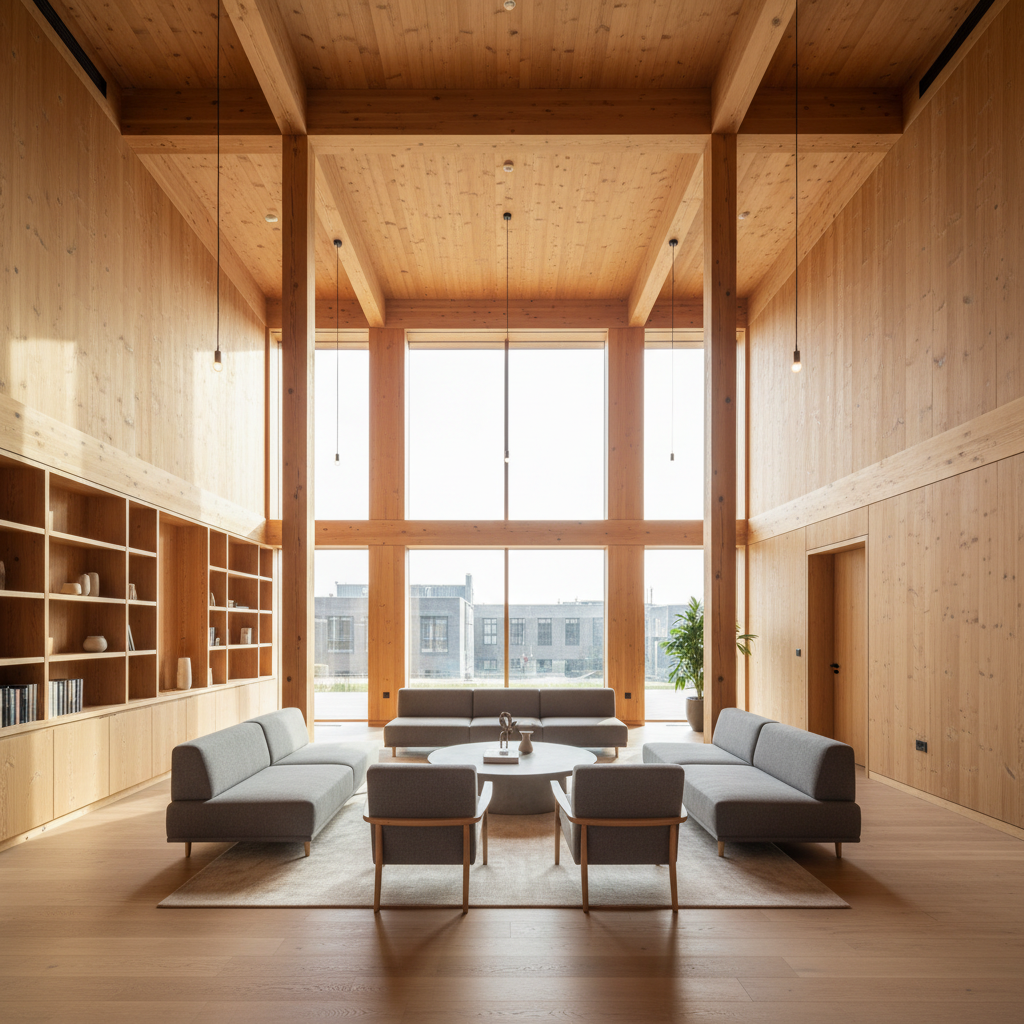
The UK has seen several landmark tall timber projects that demonstrate the viability of this construction method. Dalston Works in London, completed in 2017, stands as the world’s largest CLT building by volume, rising to 10 storeys. Its CLT structure was 4.8 times lighter than a concrete equivalent, allowing construction on a site with poor ground conditions where a heavier building would have been impractical. The entire superstructure was erected in just 16 weeks by a team of 8 people, highlighting the efficiency of prefabricated timber construction.
Another notable example is Bridport House in Hackney, which was one of the UK’s first tall CLT residential buildings. It was constructed in 12 weeks—half the time of an equivalent concrete structure—and achieved a 2.5% cost savings. According to the project team, the building’s carbon footprint was reduced by 889 tonnes compared to a concrete alternative. These successful projects have prompted growing interest in choosing timber structural systems for multi-storey buildings, with dozens of similar developments now in planning or construction phases across the UK.
Future Prospects and Challenges
The future of tall timber construction in the UK appears promising but faces several practical challenges. Building insurance can be more difficult to secure for timber structures due to perceived risks, though this is gradually changing as more performance data becomes available. The supply chain for engineered timber products is still developing in the UK, with many projects currently relying on imports from Europe. Investment in domestic manufacturing capacity is increasing, which will help reduce both costs and carbon footprints associated with transportation.
Research into net-zero construction techniques continues to advance the possibilities for tall timber buildings. New connection technologies, improved fire engineering approaches, and hybrid structural systems are expanding the potential height and applications of timber construction. The RIBA and Timber Research and Development Association predict that by 2030, timber could account for 30% of new multi-storey construction in the UK. This growth will be supported by increasing recognition of timber’s role in reducing the construction industry’s carbon impact, which currently accounts for approximately 40% of UK carbon emissions.
Conclusion
Tall timber construction represents a significant shift in how we approach multi-storey buildings, offering substantial environmental benefits while maintaining structural performance. As engineering knowledge, regulatory frameworks, and supply chains continue to develop, we can expect to see more timber buildings reshaping our urban skylines. The challenges are real but not insurmountable, and the potential rewards—in terms of carbon reduction, construction efficiency, and occupant wellbeing—make tall timber an increasingly attractive option for forward-thinking developers and engineers.
Sources
Timber Research and Development Association (TRADA) – Structural Use of Timber
Institution of Structural Engineers – Tall Timber Buildings Design Guide
Fire Protection Association – Fire Safety and Timber Frame Buildings