
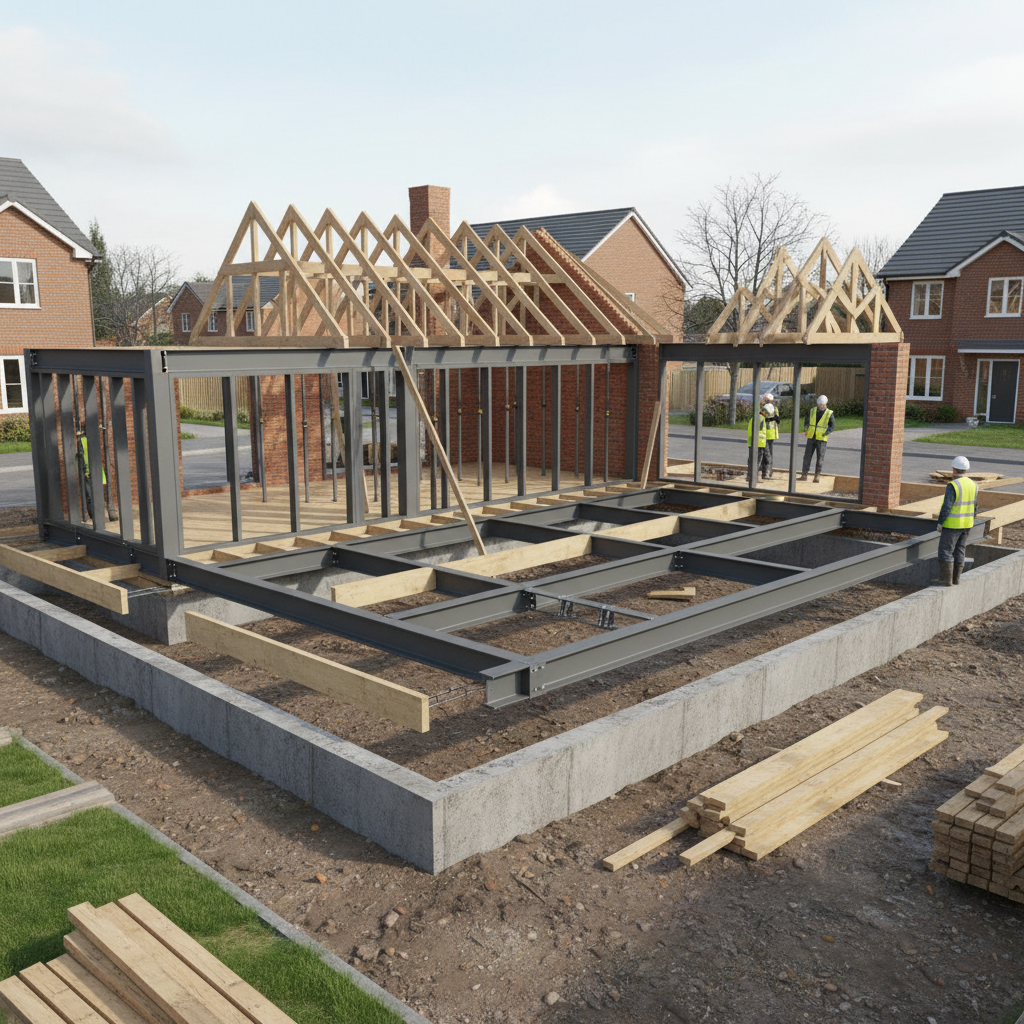
Introduction
Structural design forms the foundation of any construction project, determining not only the safety but also the functionality and longevity of the built environment. Understanding common design mistakes before they occur can save homeowners and contractors significant time, money, and stress throughout the building process.
Key Highlights
Here are the most critical factors to consider when planning your structural project:
- Proper structural design requires consideration of both building loads and site-specific conditions
- Inadequate foundation design is the most common structural mistake in residential projects
- Undersized beams and columns can lead to sagging floors and cracking walls
- Neglecting to account for lateral forces can compromise a building’s stability
- Professional structural engineers can identify potential issues before construction begins
Understanding Structural Design Fundamentals

Structural design is the process of calculating and determining the appropriate size, shape, and material of building elements to safely support anticipated loads. The primary goal is to create a structure that will remain stable throughout its intended lifespan while resisting forces from gravity, occupancy, wind, and seismic activity. According to the Institution of Structural Engineers, a well-designed structure must balance safety, functionality, and economy—compromise any one factor, and the entire project may be at risk. Effective structural design begins with a thorough site investigation to determine soil conditions, water table levels, and any unusual geological features that might affect foundation design.
The Importance of Load Calculations
One of the most critical aspects of structural design is accurately calculating the loads that will act on a structure. These loads fall into two main categories: dead loads (the weight of the structure itself) and live loads (the weight of occupants, furniture, and environmental factors like snow or wind). Miscalculating these loads is a common mistake that can lead to serious structural problems down the line. The Building Regulations in the UK specify minimum design loads for different building types and uses, but many homeowners don’t realize that renovations can significantly alter these load requirements. For example, converting an attic to a living space increases the live load requirements, potentially necessitating additional structural support. As explored in our article about common construction mistakes, failing to account for these changed conditions can lead to structural failures.
Common Structural Design Mistakes
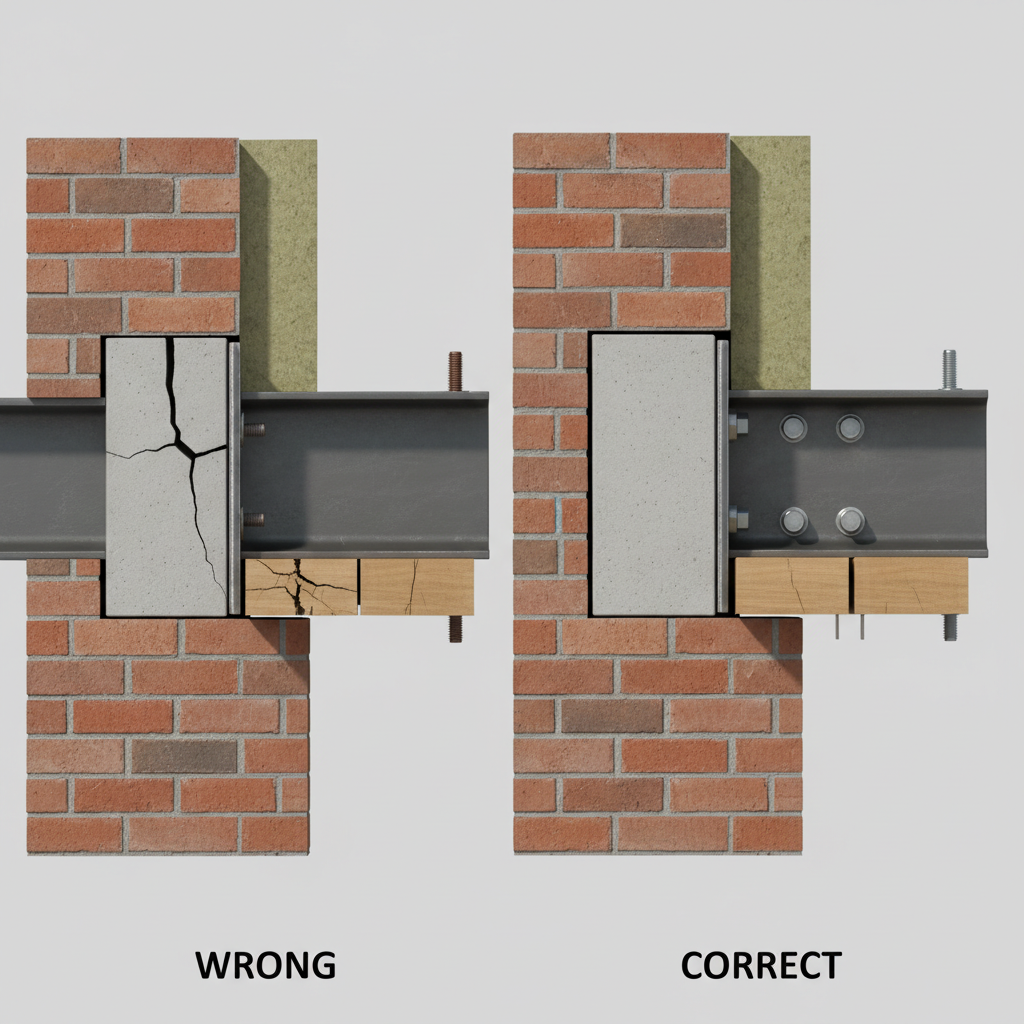
Inadequate foundation design represents the most frequent structural mistake in residential construction. Foundations must be designed to suit the specific soil conditions of your site, with appropriate depth and reinforcement to prevent settlement. Poor foundation design can lead to uneven settling, which manifests as cracked walls, stuck doors, and sloping floors—problems that are expensive to rectify after construction. The Royal Institute of British Architects notes that many foundation issues could be avoided with proper geotechnical investigation before design work begins.
Structural Support System Errors
Undersized beams and columns constitute another common design flaw, particularly in renovation projects where walls are removed to create open-plan spaces. When load-bearing walls are eliminated, they must be replaced with appropriately sized beams and supports to carry the load above. A structural engineer’s assessment is essential in these situations to determine the correct dimensions and materials. According to the Steel Construction Institute, steel beams that are just 10% undersized can deflect up to 30% more than properly sized members, potentially causing visible sagging and cracking in finishes. Our case studies of structural steel failures demonstrate how critical proper sizing is to long-term performance.
Ensuring Structural Integrity in Completed Projects

Proper structural connections are often overlooked yet are crucial to the overall integrity of a building. Connections between structural elements—such as where beams meet columns or where roof trusses attach to walls—must be designed to transfer loads effectively throughout the structure. Connection failures account for a significant percentage of structural collapses, according to data from the Health and Safety Executive. These failures often occur because the connection design didn’t account for all forces acting on the junction, particularly lateral forces from wind or seismic activity.
Preventing Design Mistakes Through Professional Involvement
Many structural problems could be avoided by engaging a qualified structural engineer early in the project. The Chartered Association of Building Engineers reports that projects with professional engineering input from the beginning stages experience significantly fewer structural issues and cost overruns. A qualified structural engineer can identify potential problems before construction begins, saving both time and money compared to addressing issues once they’ve manifested as structural failures. Unfortunately, as detailed in our collection of renovation horror stories, many homeowners try to cut costs by skipping this critical step, only to pay much more in remediation costs later.
Conclusion
Avoiding structural design mistakes requires careful planning, accurate calculations, and professional oversight throughout the design and construction process. By understanding the common pitfalls and engaging qualified professionals at the appropriate stages, homeowners can ensure their projects are built safely and effectively. Remember that investing in proper structural design at the outset is always less expensive than fixing problems after construction is complete.
Sources
Institution of Structural Engineers – Building Regulations Guidance
Royal Institute of British Architects – Foundation Design Guidelines
Steel Construction Institute – Design Guidance
Chartered Association of Building Engineers – Engineering in Construction