

Understanding Structural Inspection Reports
Structural inspection reports are comprehensive documents prepared by qualified structural engineers that detail the condition of a building’s structural elements. These reports identify potential issues, assess structural integrity, and provide recommendations for necessary repairs or modifications to ensure the safety and stability of the property.
Key Highlights
Structural inspection reports provide essential information about your property’s condition:
- Assessment of structural integrity and safety concerns
- Identification of existing damage and potential future issues
- Detailed recommendations for required repairs or modifications
- Documentation that may be required for insurance, mortgage, or planning purposes
- Professional guidance on maintenance to prevent structural deterioration
The Purpose of Structural Inspection Reports

Structural inspection reports serve as a comprehensive assessment of a building’s structural condition and safety. The primary purpose is to identify any existing or potential structural issues that could compromise the integrity of the building. These reports provide objective documentation of the current state of structural elements, including foundations, load-bearing walls, beams, columns, and roof structures.
During the inspection process, a structural engineer will systematically examine all accessible structural components of your property. This thorough evaluation helps to uncover hidden problems that might not be immediately visible to the untrained eye. The resulting report creates a baseline record of your property’s condition, which can be invaluable for future reference, especially when planning renovations or tracking changes in structural elements over time.
When You Might Need a Structural Inspection Report
There are several scenarios where obtaining a structural inspection report becomes necessary or highly beneficial. If you’re purchasing a property, particularly an older building or one with visible signs of structural issues, a structural report provides essential information before committing to the investment. Homeowners planning major renovations, extensions, or removing load-bearing walls should arrange a structural engineer’s site visit to assess feasibility and safety requirements.
Following significant events such as flooding, subsidence, or damage from fallen trees, a structural inspection report can determine the extent of damage and necessary repairs. Insurance companies often require these reports when processing claims for structural damage. Additionally, if you notice concerning signs like new cracks in walls, sloping floors, or doors that no longer close properly, these could indicate underlying structural problems that warrant professional assessment through a formal inspection report.
Components of a Structural Inspection Report
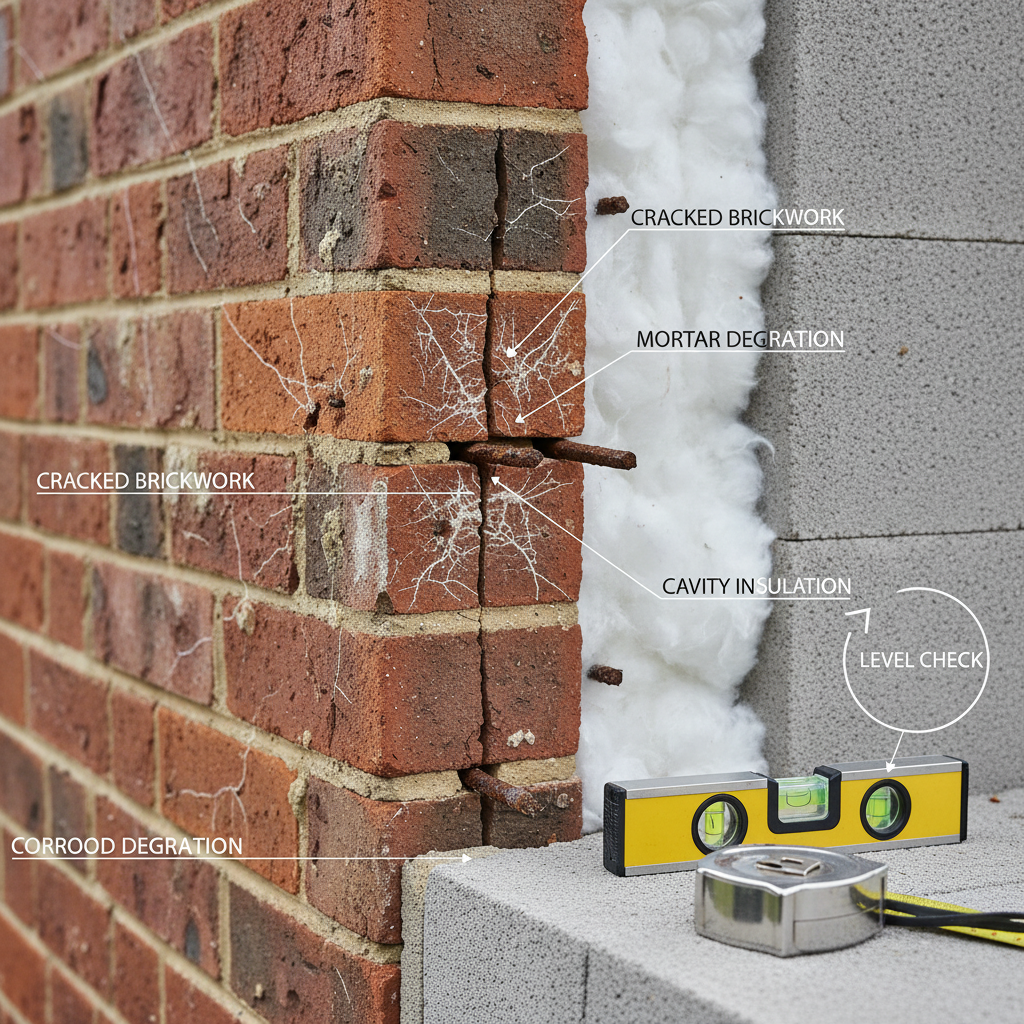
A comprehensive structural inspection report contains several key sections that provide a complete picture of your property’s structural health. The report typically begins with property identification details, inspection date, client information, and the structural engineer’s qualifications. This introduction establishes the scope and context of the inspection, clarifying exactly what was examined and under what conditions.
The main body of the report includes detailed observations of all structural elements inspected, accompanied by photographs documenting the current condition and any defects identified. Each observation is typically paired with an assessment of its severity and potential impact on the building’s overall structural integrity. According to the Institution of Structural Engineers, these assessments are classified based on risk level, from minor cosmetic issues to significant structural concerns requiring immediate attention.
Technical Aspects and Analysis
The analytical section of a structural inspection report contains the engineer’s technical evaluation of the building’s structural systems. This includes calculations and assessments of load-bearing capacities, structural adequacy of key elements, and compliance with current building regulations and standards. The engineer will critically evaluate whether the existing structure can safely support its intended loads or if reinforcement is required.
For properties with identified issues, the report will include a detailed analysis of the causes behind structural problems. For instance, foundation movement might be attributed to soil conditions, drainage issues, or nearby tree roots. This causal analysis is crucial for determining appropriate remediation strategies. The report may also include references to relevant structural inspection standards and testing methodologies used to ensure the assessment meets industry requirements.
Recommendations and Action Plans

Perhaps the most valuable section of a structural inspection report is the detailed recommendations provided by the engineer. These recommendations outline specific remedial works required to address identified issues, presented in order of priority based on safety considerations and structural significance. Each recommendation is typically accompanied by a clear justification explaining why the proposed action is necessary and what consequences might result from inaction.
For complex issues, the report may include preliminary design guidance for repairs or reinforcements, though detailed design specifications might require separate engagement. The recommendations section often includes estimated timeframes for implementing repairs, distinguishing between urgent safety issues requiring immediate attention and less critical matters that can be addressed over time. This prioritized approach helps homeowners develop a practical action plan for maintaining their property’s structural integrity within their budget constraints.
Using Your Structural Inspection Report
Once you receive your structural inspection report, it serves as an actionable document to guide next steps. For property purchases, the report findings can be used to negotiate purchase prices or request that sellers complete necessary repairs before sale completion. For existing homeowners, the report provides a roadmap for maintenance and repair work, which you can use when consulting contractors for quotes on recommended work.
Structural inspection reports also have important documentation value for insurance purposes, potentially helping with claims processes or coverage negotiations. Many homeowners find it beneficial to maintain these reports as part of their property records, especially when planning future renovations. The report can be shared with architects, builders, and other professionals to inform design decisions and ensure that any proposed changes respect the building’s structural limitations and requirements.
Conclusion
A structural inspection report provides a professional, comprehensive assessment of your property’s structural condition, identifying problems and offering solutions backed by engineering expertise. By understanding what these reports contain and when they’re needed, homeowners can make informed decisions about property purchases, renovation projects, and essential repairs to maintain structural integrity and safety. Whether addressing current concerns or planning for future modifications, a properly prepared structural inspection report offers the technical foundation for confident property management.