

How to Prepare for a Structural Survey Before Buying a Home
Purchasing a property is one of the largest financial investments most people will make in their lifetime. A thorough structural survey is an essential step in this process, helping you identify potential issues that could affect your decision or require negotiation on the purchase price.
Key Highlights
Here are the most important preparations to make before a structural survey:
- Clear access to all areas of the property, including attic spaces, crawl spaces, and basements
- Gather relevant property documentation such as previous surveys and building plans
- Prepare a list of specific concerns or observations for the structural engineer
- Ensure utilities are connected and functioning
- Make arrangements for pets to be away during the inspection
Understanding the Survey Process
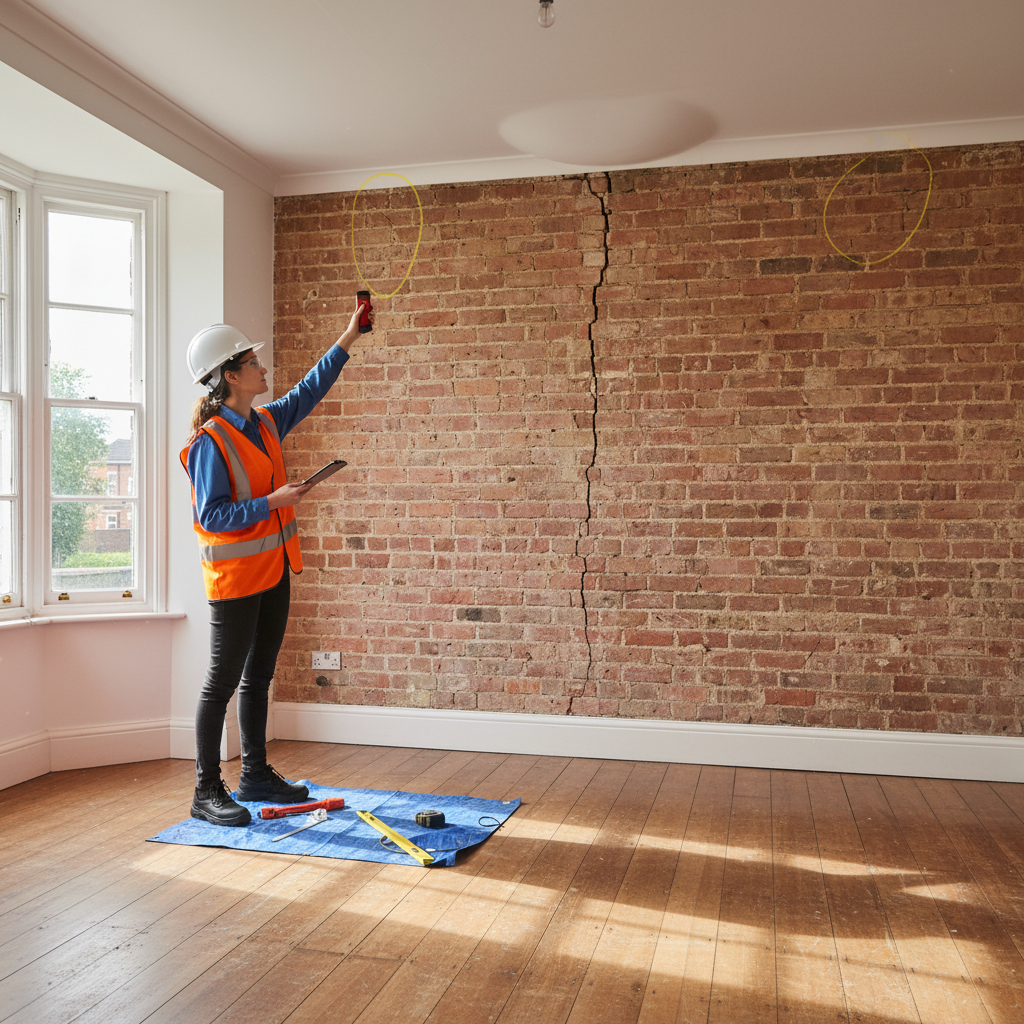
A structural survey, also known as a structural inspection, is a comprehensive assessment of a property’s physical condition. The engineer will examine the building’s foundation, load-bearing walls, roof structure, and other critical components to identify existing or potential structural issues. This type of survey is more detailed than a standard homebuyer’s report and focuses specifically on the structural integrity of the property.
Before scheduling the survey, it’s worth asking the seller about any previous structural work or known issues. This information can help the engineer focus their attention on areas of concern and provide a more accurate assessment. Communication with both the seller and your structural engineer is key to ensuring nothing is overlooked during this important evaluation.
Preparing Your Documentation
Gathering relevant documentation about the property can significantly enhance the effectiveness of the structural survey. If available, collect previous survey reports, building plans, planning permissions, and any warranties for structural work that has been carried out. Having these documents ready for the engineer’s review can provide valuable context and history about the property’s construction and maintenance.
For older properties, try to obtain information about any significant modifications or renovations that have been made over the years. These changes might have altered the original structural design and could be relevant to the current assessment. Historical documentation can also help identify whether the property has experienced previous structural issues and how they were addressed.
Facilitating Access to All Areas
Ensuring the structural engineer has complete access to all areas of the property is essential for a thorough survey. Clear away any furniture, stored items, or obstacles that might prevent inspection of walls, floors, and ceilings. Pay particular attention to areas that are often overlooked, such as attic spaces, crawl spaces, basements, and cupboards that may conceal structural elements.
If the property has external features like outbuildings, garages, or boundary walls, make sure these are accessible as well. They form part of the overall property assessment and may have structural elements that require inspection. Coordinating access arrangements with the current property owner is crucial, especially if they still live in the home during the inspection process.
Understanding Technical Assessment Methods
A professional structural engineer will use various techniques and equipment to assess the property’s condition. They may use moisture meters to detect damp issues, thermal imaging to identify heat loss or hidden problems, and laser levels to check for structural movement. Understanding these methods can help you appreciate the thoroughness of the survey and the value of the information provided.
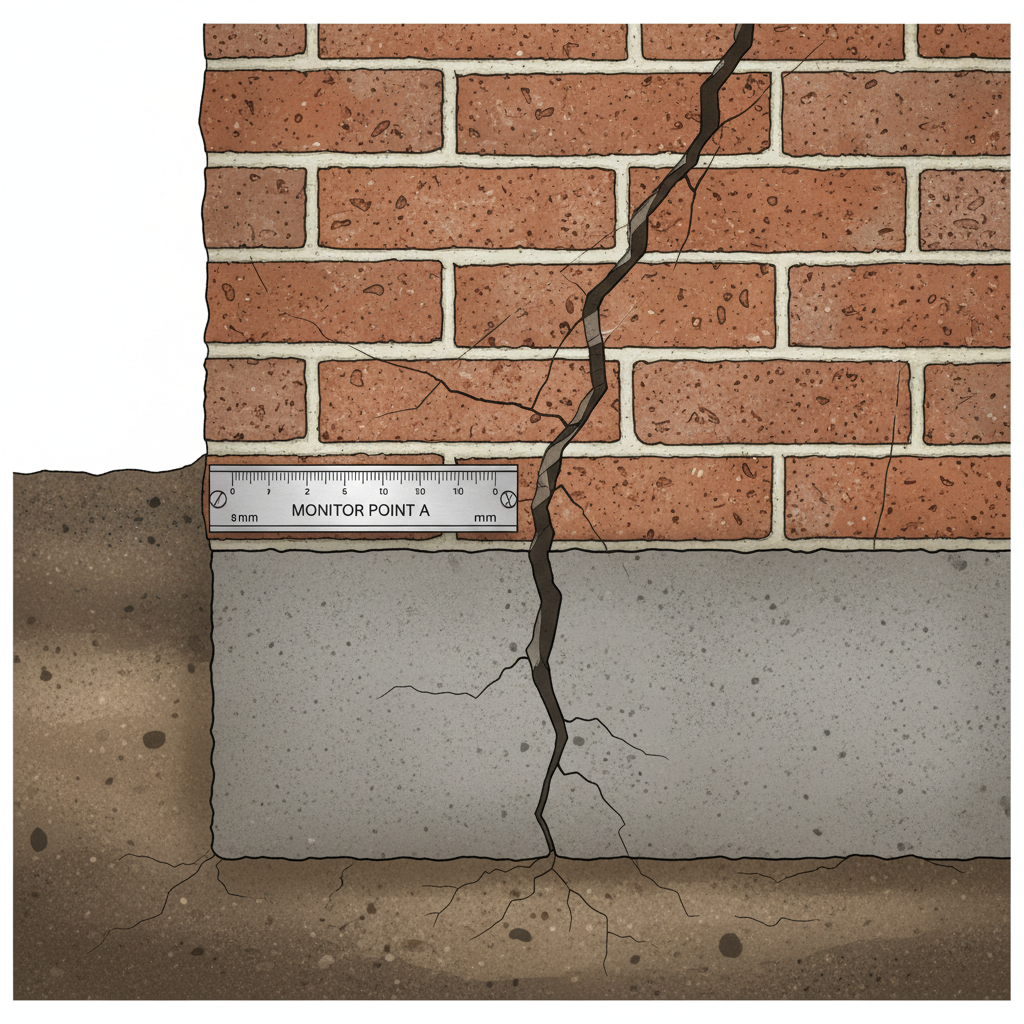
The engineer will also look for signs of subsidence, settlement, and movement in the structure. These might include cracks in walls or ceilings, doors and windows that don’t close properly, or sloping floors. While some of these issues may seem minor, they could indicate more significant structural problems that need addressing before you proceed with the purchase.
Addressing Specific Concerns

If you’ve noticed any specific issues during your property viewings, prepare a list to discuss with the structural engineer before the survey begins. These might include visible cracks, signs of damp, uneven floors, or other concerning features. Sharing your observations helps ensure these areas receive particular attention during the inspection.
Remember that a structural survey isn’t just about identifying problems—it’s also an opportunity to understand the property’s construction and condition in detail. This knowledge can help you make informed decisions about maintenance, renovation, and potential improvements after purchase. The insights provided by a chartered engineer’s inspection are invaluable for both immediate purchase decisions and long-term property management.
Interpreting the Survey Results
Once the survey is complete, you’ll receive a detailed report outlining the engineer’s findings. Take time to read this document thoroughly and don’t hesitate to ask questions about any aspects you don’t understand. The report will typically categorize issues according to their severity, distinguishing between major structural problems that require immediate attention and minor defects that can be addressed as part of regular maintenance.
Use the survey results to inform your purchase decision and potentially negotiate on price. If significant structural issues are identified, you might request that the seller completes the necessary repairs before completion or reduces the price to cover the cost of future repairs. Professional advice from your structural engineer can be invaluable in determining the potential cost and complexity of addressing any issues found.
Conclusion
Preparing thoroughly for a structural survey helps ensure you get the most accurate and comprehensive assessment of your potential new home. The investment in proper preparation and a qualified structural engineer’s expertise can save you from costly surprises and provide peace of mind as you proceed with your property purchase. By understanding what to expect and how to facilitate the process, you’re taking a crucial step toward making an informed decision about what may be your most significant investment.
Sources
Royal Institution of Chartered Surveyors – Structural Surveys
Institution of Structural Engineers – Residential Property Surveys