

Choosing the Right Structural Engineer for Your Home Project
Finding the right structural engineer for your home renovation or construction project is a critical decision that impacts both safety and success. The expertise of a qualified structural engineer ensures your project meets building regulations while providing sound technical solutions that protect your investment for years to come.
Key Highlights
Here’s what to consider when selecting a structural engineer for your home project:
- Verify credentials, registration with engineering boards, and professional insurance coverage
- Check their residential project experience and review past work similar to yours
- Request detailed quotes outlining deliverables, timelines, and potential additional costs
- Assess their communication style and availability before committing
- Confirm they provide builder-friendly drawings and site support during construction
Understanding What Structural Engineers Do

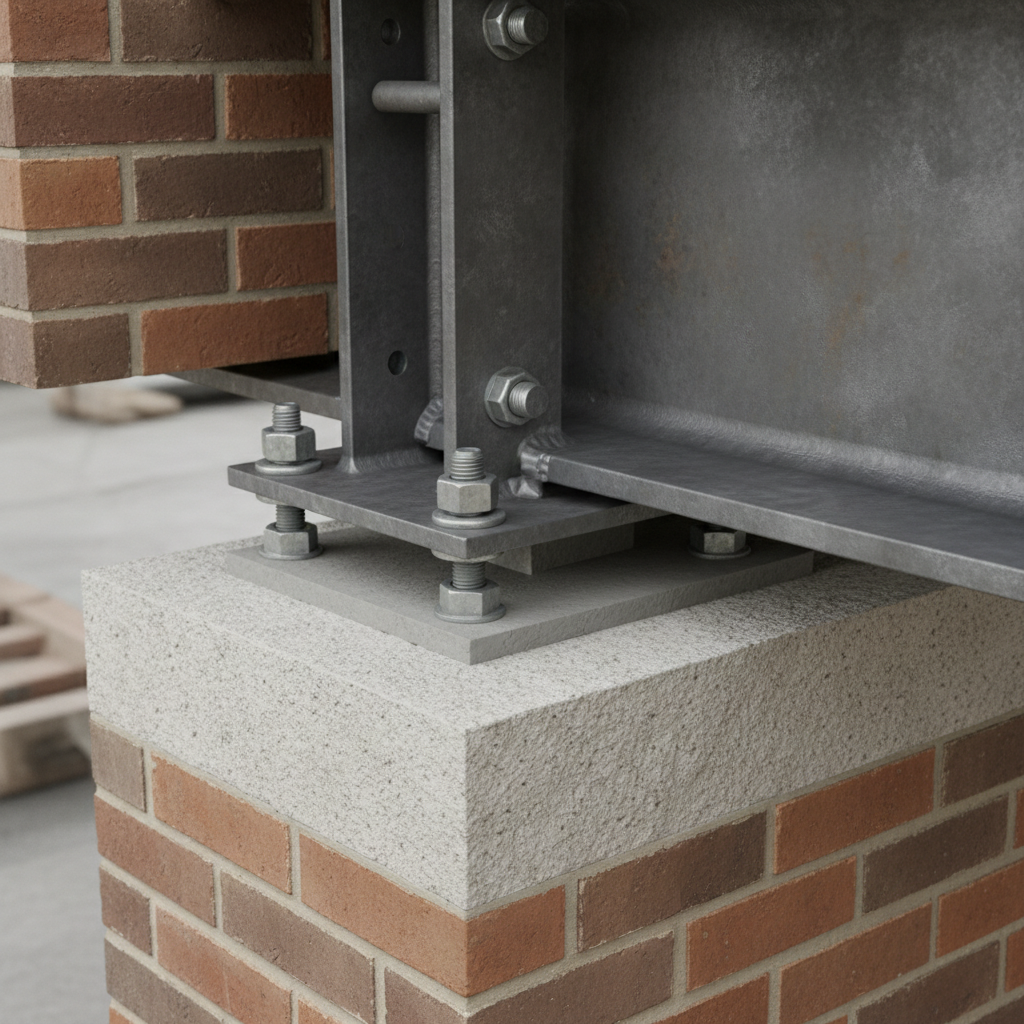
Structural engineers are qualified professionals who specialise in analysing and designing the load-bearing elements of buildings and structures. For residential projects, their work typically involves calculating the size and specifications of structural components like beams, columns, and foundations to ensure your home can safely support all anticipated loads. Unlike architects who focus on spatial design and aesthetics, structural engineers concentrate on stability, safety, and compliance with building regulations. Their expertise becomes particularly valuable when removing walls, extending your home, addressing structural damage, or undertaking significant renovations that affect how loads are distributed throughout the property.
When You Need a Structural Engineer
You’ll need to engage a structural engineer for specific types of home projects that affect structural integrity. These typically include removing load-bearing walls, building extensions, converting lofts or basements, renovating period properties, adding large openings for windows or doors, or addressing structural issues like subsidence or cracks. According to the Institution of Structural Engineers, even seemingly minor modifications can have significant structural implications. For example, creating a new doorway in a load-bearing wall requires proper support above the opening to transfer loads safely to the foundations. Before starting renovations, consulting with a structural engineer for an inspection can help identify potential issues early and prevent costly mistakes.
Qualifications and Credentials to Look For
When selecting a structural engineer, verify they have the proper qualifications and professional registrations. Chartered engineers (CEng) with membership in the Institution of Structural Engineers (MIStructE) or the Institution of Civil Engineers (MICE) have demonstrated the highest level of professional competence. In the UK, look for engineers registered with the Engineering Council, which maintains standards across the profession. Professional indemnity insurance is another crucial requirement—this protects both you and the engineer if issues arise from their advice or calculations. Be wary of designers or drafters who offer structural engineering services without formal engineering qualifications, as they may not have the technical expertise to ensure your project’s safety and compliance with building regulations.
Evaluating Experience and Specialisation
Not all structural engineers have the same expertise, so it’s important to find one with relevant experience in residential projects similar to yours. An engineer who primarily works on commercial buildings might not be familiar with the specific challenges of home renovations. Ask potential engineers about their experience with projects like yours and request to see examples of their past work. Reviews and testimonials from previous clients can provide valuable insights into their reliability and quality of work. Many structural engineers also develop specialisations—some may focus on historic building conservation, while others specialise in modern extensions or basement conversions. Choosing an engineer with relevant specialised knowledge can make a significant difference in addressing the unique requirements of your project.
The Process of Working With a Structural Engineer

The typical process begins with an initial consultation to discuss your project requirements and assess feasibility. This may involve a site visit to evaluate existing conditions. Based on this assessment, the engineer will provide a quotation outlining the scope of work, deliverables, timeline, and fees. Once engaged, they’ll conduct detailed structural calculations and prepare drawings that specify beam sizes, support requirements, and other technical details needed for building regulations approval. Quality structural engineers produce clear, comprehensive drawings that builders can easily follow during construction. They should also be available to answer questions during the building process and conduct site visits to verify work is being carried out according to specifications. The relationship shouldn’t end when plans are delivered—ongoing support during construction is a hallmark of quality structural engineering services.
Understanding Costs and Value
Structural engineering fees vary based on project complexity, location, and the engineer’s experience level. For residential projects, engineers typically charge either an hourly rate (£75-150 per hour) or a fixed fee based on the project scope. While it might be tempting to choose the lowest quote, focusing solely on price can lead to inadequate service or costly revisions later. Ask for detailed quotes that clearly outline what’s included—calculations, drawings, building regulations submissions, site visits, and any potential additional charges. Remember that investing in quality structural engineering can save money in the long run by preventing construction delays, builder confusion, or structural issues. According to the Royal Institution of Chartered Surveyors, proper structural design accounts for a small percentage of overall project costs but significantly impacts the project’s success and longevity. Consider when to call a professional rather than attempting to cut costs by skipping this critical expertise.
Making Your Final Decision
After researching credentials, experience, and costs, assess how well you communicate with potential engineers. The best professional relationships are built on clear communication and mutual understanding. A good engineer will explain technical concepts in accessible terms and be responsive to your questions and concerns. Consider their availability and typical response times, as delays in communication can impact your project schedule. Trust your instincts—if an engineer dismisses your questions or seems difficult to reach, these issues will likely persist throughout your project. Finally, ensure all agreements are documented in a clear contract that outlines deliverables, timelines, payment terms, and the process for addressing any changes or issues that arise during the project.
Conclusion
Selecting the right structural engineer for your home project requires careful consideration of qualifications, experience, communication style, and value rather than just cost. Taking time to find a properly qualified professional with relevant expertise will help ensure your renovation or construction project proceeds smoothly and results in a safe, compliant structure. With the right structural engineer as part of your project team, you’ll gain not just technical expertise but also peace of mind knowing your home’s structural integrity is in capable hands.
Sources
Institution of Structural Engineers: Guide to Employing a Structural Engineer
UK Government: Building Regulations Approval
Engineering Council UK: Professional Standards
Royal Institution of Chartered Surveyors: Professional Standards