

Structural Checks to Do Before You Build an Extension
Building an extension requires careful planning and evaluation to ensure structural integrity and compliance with building regulations. Before any construction begins, a series of essential structural checks must be conducted to identify potential issues and determine the appropriate design requirements for a safe and successful project.
Key Highlights
These critical structural checks will help ensure your extension project proceeds smoothly:
- Assess existing foundations to determine if they can support additional loads
- Evaluate load-bearing walls that may be affected by the extension
- Inspect ground conditions for stability and drainage concerns
- Check for party wall considerations with neighbouring properties
- Review building regulations compliance requirements
Initial Structural Assessment
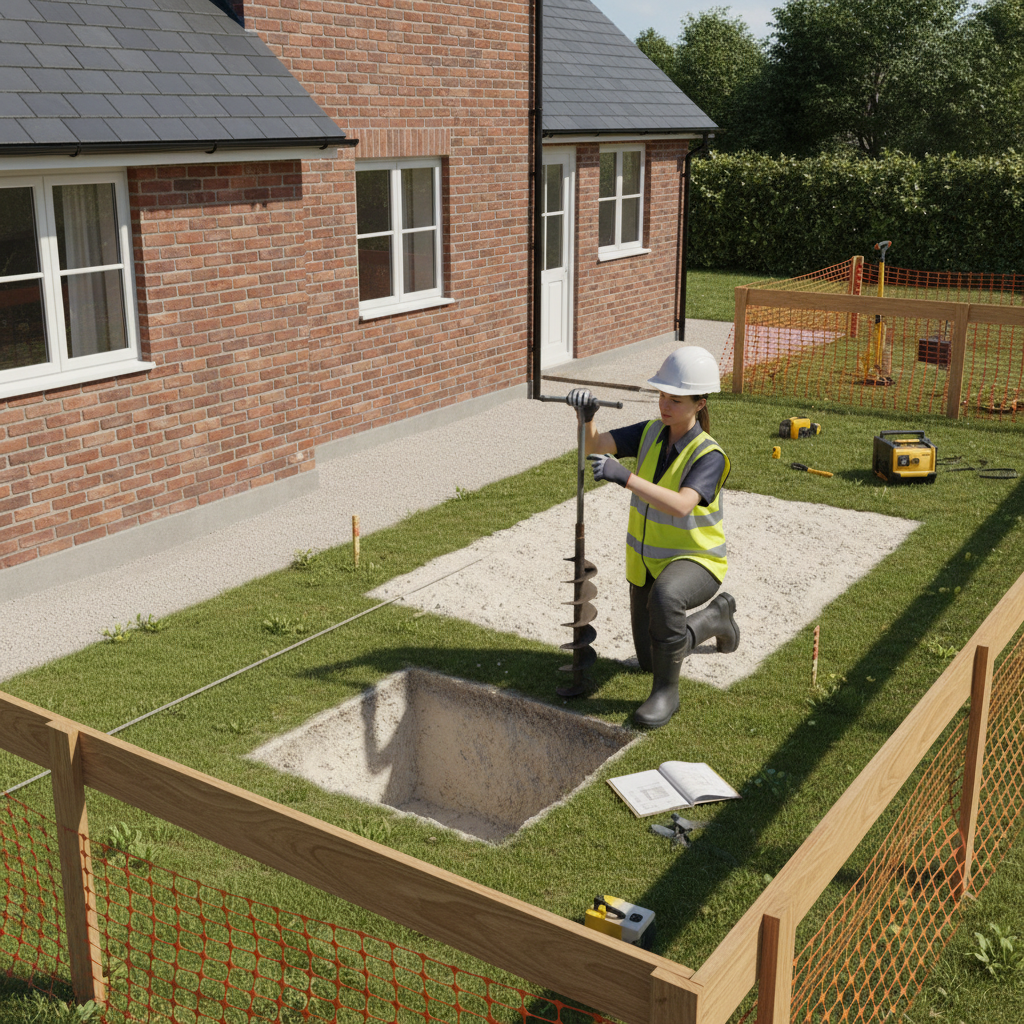
The first step in planning your extension is a comprehensive assessment of your existing property’s structure. A structural engineer will examine your home’s foundations, load-bearing walls, and overall structural condition to identify any potential issues. This assessment typically involves checking the depth and condition of existing foundations, which may require small excavation pits around the perimeter of your property. According to the Institution of Structural Engineers, many extension problems stem from inadequate preliminary structural assessments, making this step crucial for project success.
Soil and Ground Investigation
Understanding the soil composition and ground conditions is essential for determining the appropriate foundation design for your extension. A geotechnical survey may be necessary to assess soil bearing capacity, moisture content, and potential ground movement issues such as clay shrinkage or expansion. The survey results will inform decisions about foundation type and depth, potentially saving you from expensive remedial work in the future. Ground investigations are particularly important in areas with known subsidence issues, where specialised foundation designs may be required to ensure long-term stability.
Load-Bearing Wall Evaluation
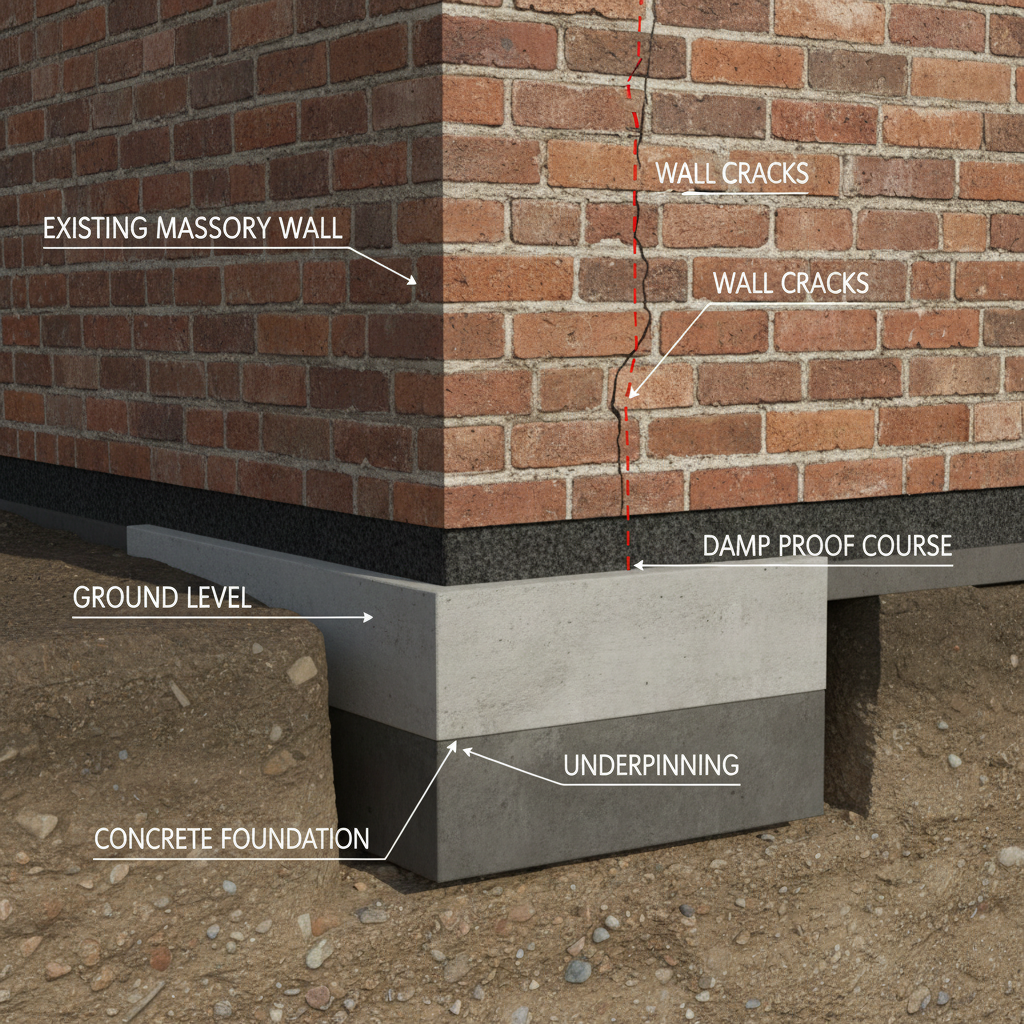
Identifying which walls are load-bearing is critical when planning an extension, especially if your design involves removing or altering existing walls. A structural engineer will assess wall construction, thickness, and position within the building to determine their structural significance. Load-bearing walls support the weight of the structure above them, including floors and roof, and removing them without proper support can lead to serious structural failures. When load-bearing walls need to be modified, appropriate steel beams or other structural supports must be specified to safely transfer loads to the foundations.
Junction and Connection Design
The interface between your existing building and the new extension requires careful technical consideration. This junction must be properly designed to account for differential settlement, thermal movement, and weatherproofing. Your structural engineer will specify appropriate connection details between old and new structures, which may include movement joints, damp-proof courses, and thermal breaks to prevent cold bridging. According to Building Regulations Approved Document A, proper structural connections are essential for maintaining the overall stability of the combined structure.
Building Regulations Compliance

Before construction begins, you’ll need to ensure your extension plans comply with current Building Regulations. These regulations cover structural safety, fire protection, ventilation, energy efficiency, and accessibility requirements. A structural engineer will prepare calculations and drawings demonstrating compliance with Part A (Structure) of the Building Regulations, which will be submitted as part of your building control application. Many homeowners don’t realise that building regulations approval is separate from planning permission, and both may be required for your extension project, as noted by the Planning Portal.
Party Wall Considerations
If your extension will be built close to or on a boundary with neighbouring properties, you may need to comply with the Party Wall Act. This legislation requires you to notify your neighbours and potentially enter into a party wall agreement before work commences. A structural assessment should identify whether your project falls under party wall regulations and what steps are needed to comply. Early engagement with neighbours and, if necessary, appointment of a party wall surveyor can help prevent disputes and delays. The Royal Institution of Chartered Surveyors provides guidance on party wall procedures that can help you navigate this process effectively.
Conclusion
Thorough structural checks before building an extension are essential for ensuring safety, compliance, and long-term performance of your new space. Taking the time to properly assess your existing structure, understand ground conditions, and design appropriate structural solutions will help avoid costly problems during construction and after completion. By working with a qualified structural engineer from the outset, you’ll create a solid foundation for a successful extension project.