
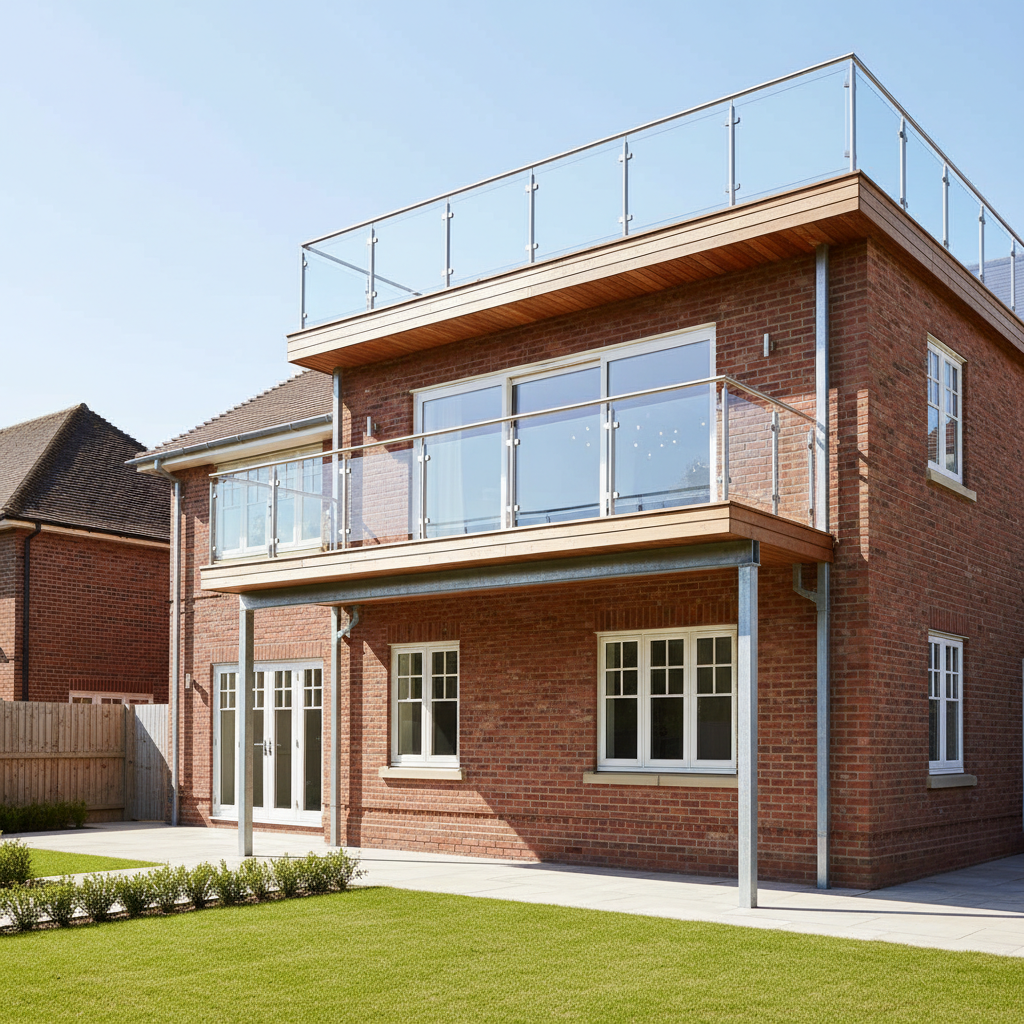
Adding Balconies and Roof Terraces: Structural Considerations
Balconies and roof terraces provide valuable outdoor space and can significantly enhance both the enjoyment and value of a property. Before embarking on such a project, it’s essential to understand the structural implications, as these additions place specific loads on your existing building that must be properly supported.
Key Highlights
Here’s what you need to know about the structural requirements for balconies and roof terraces:
- A typical balcony or roof terrace must support a minimum imposed load of 2.5kN/m² (approximately 250kg per square meter).
- Existing walls and foundations may require reinforcement to support the additional weight.
- Planning permission and building regulations approval are mandatory for most balcony and terrace additions.
- Waterproofing and drainage systems are critical structural components, not just aesthetic considerations.
- A professional structural assessment is necessary to determine if your property can safely accommodate a balcony or roof terrace.
Understanding Structural Feasibility
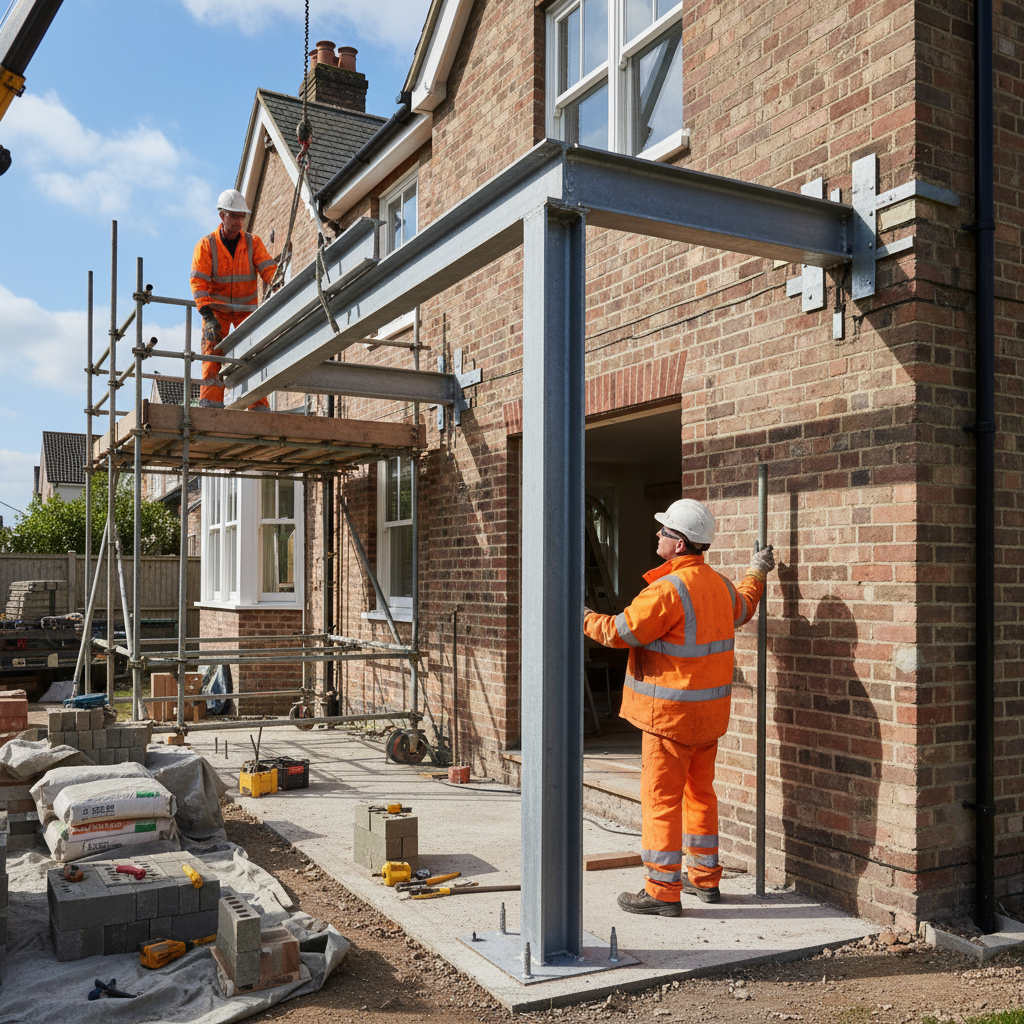
The first step in adding a balcony or roof terrace is determining if your existing structure can support it. A structural engineer will assess your property, examining wall construction, foundation capacity, and the overall building integrity. This assessment typically involves investigating the building’s original construction drawings (if available) and potentially opening up sections of walls or floors to examine the underlying structure.
For terraced or semi-detached properties, the assessment becomes more complex as modifications could affect neighboring buildings. Party wall agreements are often required, and the engineer will need to consider how the additional loads might impact shared structural elements. Buildings constructed before the 1970s may present particular challenges, as they weren’t designed with modern loading standards in mind and might require more extensive strengthening works to accommodate a new balcony or terrace.
Planning and Regulatory Requirements
Adding a balcony or roof terrace nearly always requires planning permission, particularly if it alters the external appearance of your building or could affect neighbors’ privacy. Local planning authorities will consider factors such as overlooking, privacy impact, and aesthetic changes to the building. In conservation areas or for listed buildings, restrictions may be significantly tighter, and detailed heritage impact assessments might be required.
Building regulations approval is equally important, focusing on structural safety, fire escape routes, and balustrade heights (typically requiring a minimum of 1100mm). Your structural engineer will produce detailed calculations demonstrating compliance with these regulations. The approval process typically takes 8-12 weeks, and it’s crucial to factor this timeframe into your project schedule. Attempting to proceed without proper approvals can result in enforcement action, requiring removal of unauthorized structures and potentially significant financial penalties.
Load-Bearing Requirements
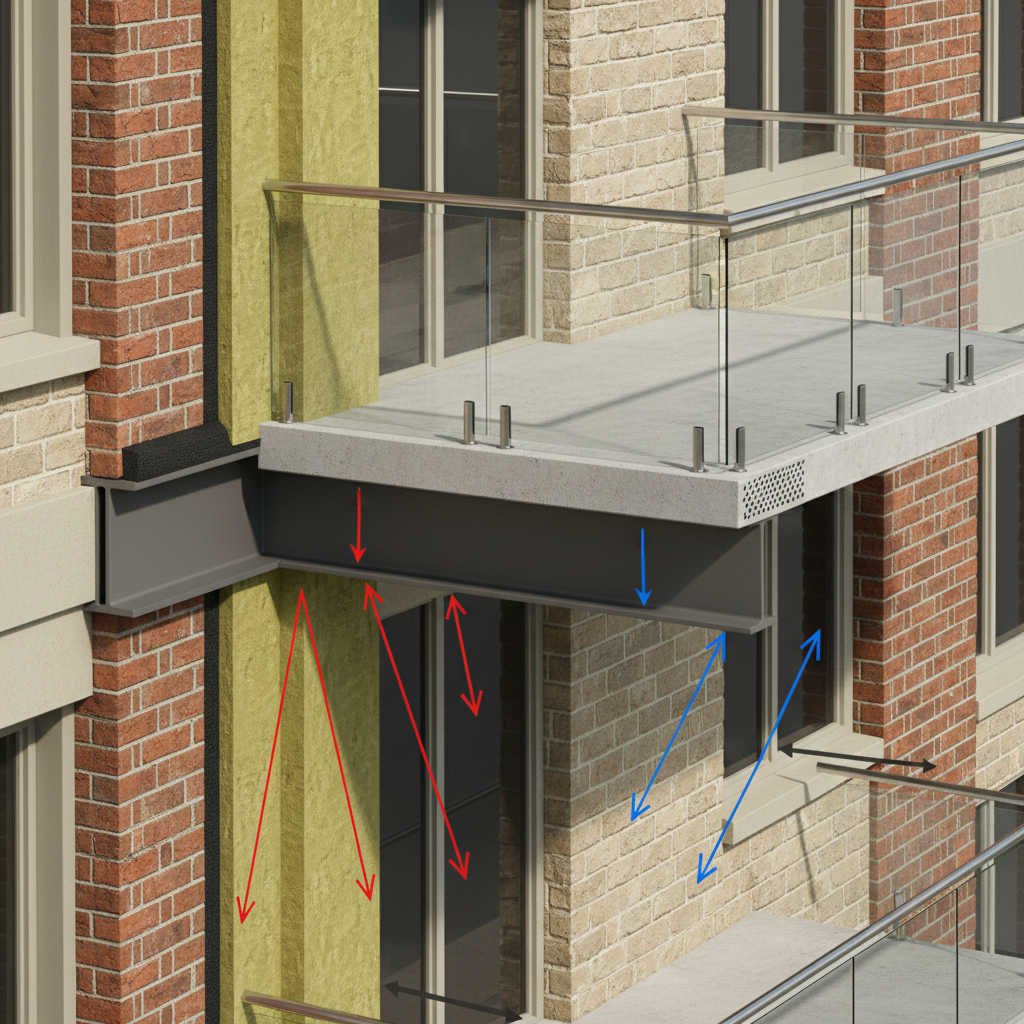
Balconies and roof terraces must be designed to handle several types of structural loads. According to UK building regulations, residential balconies and terraces must support a minimum imposed load of 2.5kN/m² plus any additional weight from furniture, planters, or hot tubs. Wind loads are particularly significant for balconies, especially at higher elevations or in exposed locations, where uplifting forces can place stress on connections.
The dead load—the permanent weight of the structure itself—varies significantly depending on materials. Concrete balconies typically weigh 300-500kg/m², while steel-framed structures with timber decking might be 100-200kg/m². These loads must be transferred safely to the building’s existing structure, which often requires additional support systems. For roof terraces, the existing roof joists are rarely adequate to support the new loads, and substantial structural modifications are usually necessary, including the addition of steel beams or reinforced concrete elements to distribute the weight effectively.
Waterproofing and Drainage Considerations
Proper waterproofing is a critical structural consideration, not merely an aesthetic one. Roof terraces require multiple waterproofing layers, typically including a vapor control layer, insulation, waterproof membrane, and protective finish. Failed waterproofing can lead to serious structural damage through water ingress, potentially compromising the integrity of load-bearing elements through rot or corrosion.
Drainage systems must be carefully designed to prevent water pooling, which adds significant weight and stress to the structure. For roof terraces, falls of at least 1:80 are typically specified to ensure water runs toward drainage points. Overflow systems are also essential to prevent backup during heavy rainfall, which could otherwise lead to water penetration or excessive loading. These drainage systems must integrate with the existing building’s water management infrastructure, sometimes requiring modifications to downpipes or soil stacks to accommodate the additional water flow from the new outdoor space.
Material Selection and Structural Integration

Material choices significantly impact both the structural performance and longevity of balconies and roof terraces. For cantilevered balconies, steel is often preferred due to its high strength-to-weight ratio, allowing for minimal visual impact while providing necessary support. Connections between the balcony and the main building are critical stress points, typically requiring stainless steel fixings to prevent corrosion and maintain structural integrity over time.
For roof terraces, modern composite decking systems offer advantages over traditional materials, providing better durability while reducing the dead load on the structure. These systems often incorporate adjustable pedestals that allow for level installation while maintaining drainage falls beneath. When working with existing flat roofs, structural engineers must carefully assess the current waterproofing system and often recommend complete replacement rather than trying to patch into aging membranes, which could compromise the watertightness of the entire roof system.
Ongoing Maintenance Requirements
The structural integrity of balconies and roof terraces requires ongoing maintenance to ensure safety throughout their lifespan. Regular inspections should check for signs of water damage, corrosion at connection points, or degradation of waterproofing membranes. According to the Institution of Structural Engineers, balconies should be professionally inspected at least every five years, with more frequent checks for older structures.
Drainage systems require particular attention, with regular clearing of gutters and outlets to prevent blockages that could lead to water pooling and excessive loads. Weight restrictions should be strictly observed, especially when considering additions like planters, water features, or outdoor furniture that add permanent loads to the structure. Proper maintenance not only extends the life of your balcony or terrace but is essential for safety, as structural failures in elevated outdoor spaces can have serious consequences. By treating these additions as significant structural elements rather than simple lifestyle features, homeowners can enjoy their outdoor spaces with confidence in their long-term stability.
Conclusion
Adding a balcony or roof terrace to your property represents a significant structural undertaking that requires careful engineering consideration from the outset. With proper planning, professional structural assessment, and quality construction, these outdoor spaces can provide years of enjoyment while maintaining the integrity of your building. Remember that structural requirements aren’t simply regulatory hurdles to overcome—they’re essential safeguards that ensure your new outdoor space remains safe, stable, and problem-free for decades to come.