

Understanding the Structural Requirements for Home Renovations
Renovating your home involves numerous considerations beyond aesthetics, with structural integrity being paramount to ensure safety and longevity. Structural engineering plays a critical role in renovation projects, providing the necessary expertise to assess, design, and implement changes that maintain your home’s stability while accommodating your desired modifications.
Key Highlights
Here are the essential aspects of structural engineering in home renovations:
- Professional structural assessment is crucial before commencing any major renovation
- Load-bearing calculations determine what changes are safely possible
- Building regulations and planning permissions often require structural engineering input
- Proper structural design can reduce costs and prevent future problems
- Structural engineers provide documentation needed for insurance and property sales
Initial Structural Assessment Process

The first step in any renovation project should be a comprehensive structural survey conducted by a qualified structural engineer. This assessment examines the current condition of your property, identifying load-bearing walls, foundation status, and the overall structural framework. During this phase, engineers look for signs of settlement, subsidence, or existing damage that might affect your renovation plans or require remediation before proceeding.
Developing Structural Solutions
Following assessment, a structural engineer creates detailed plans that accommodate your renovation vision while ensuring structural integrity. These plans include specific calculations for any new loads that will be introduced, such as removing walls or adding extensions. Engineers develop solutions that might include steel beams to replace load-bearing walls, foundation reinforcement for extensions, or floor strengthening for new bathroom installations. Each solution is custom-designed for your specific property, taking into account factors like the building’s age, construction type, and local ground conditions.
Understanding Load Paths and Structural Systems
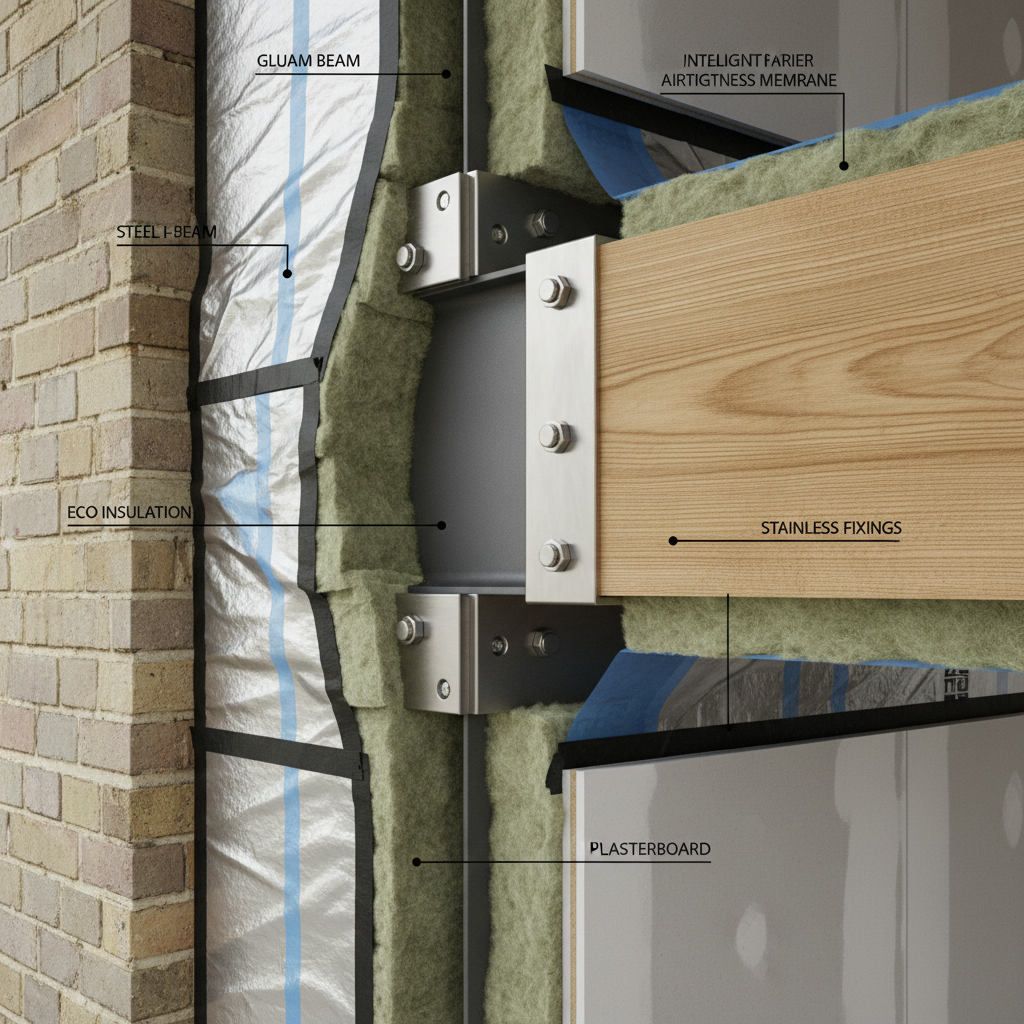
A critical technical concept in home renovations is understanding how forces travel through your building’s structure. Every building has load paths that channel weight from the roof down through walls and ultimately to the foundations. When you modify your home, these paths can change dramatically. For example, removing a wall often requires installing a beam to redirect the loads that the wall previously supported, ensuring forces continue to flow safely to the ground.
Material Selection and Specifications
Structural engineers specify the exact materials needed for your renovation, including the grade of steel for beams, concrete strength for foundations, and timber specifications for floor joists. These specifications aren’t arbitrary—they’re based on precise calculations that account for the specific loads your structure will bear. Modern renovations increasingly incorporate low-carbon materials that maintain structural integrity while reducing environmental impact. According to the Institution of Structural Engineers, sustainable options like engineered timber and recycled steel can offer significant carbon reductions without compromising performance.
Implementation and Construction Oversight

During the construction phase, structural engineers provide essential oversight to ensure their designs are properly implemented. Site visits at key stages verify that critical structural elements are installed according to specifications. This oversight is especially important during complex modifications like removing load-bearing walls or installing large openings. The engineer can address any unexpected issues discovered during construction, such as hidden defects or different conditions than initially assumed, adapting the design as needed to maintain structural safety.
Final Inspection and Documentation
Upon completion of the structural work, a final inspection confirms that all elements have been constructed according to the approved designs. This inspection leads to the issuance of completion certificates that document compliance with building regulations and the engineer’s specifications. These documents become valuable records for your property, often required by insurance companies or future buyers. For example, if you’ve created an open-plan living space by removing walls, this documentation proves the modification was professionally engineered and safely executed.
Ensuring Long-Term Structural Integrity
Proper structural engineering in home renovations provides peace of mind for years to come, protecting both your investment and your family’s safety. By working with qualified engineers who understand the unique challenges of renovation projects, you can create the home you want without compromising its structural integrity. Remember that cutting corners on structural elements can lead to costly problems later, from cracking walls to more serious structural failures.
Sources
Institution of Structural Engineers – Sustainability in Structural Engineering
Building Research Establishment – Home Extensions Guide
UK Government – Building Regulation Guidance Documents
Net Zero Construction: Structural Strategies for Low-Carbon Buildings
Green Roofs & Solar Panels: Structural Considerations for Eco-Friendly Additions
Green Concrete and Eco-Steel: Low-Carbon Materials Revolutionizing Construction