
Site Investigations 101: Why Geotechnical Reports Matter for Design
Proper site investigation forms the bedrock of any successful construction project, providing critical insights into ground conditions that directly impact structural design decisions. Understanding what lies beneath the surface allows engineers to design foundations that will safely support your building for decades to come.
Key Highlights
Here’s what makes site investigations essential for your construction project:
- Site investigations identify soil types, groundwater conditions, and potential hazards before construction begins
- Geotechnical reports inform foundation design choices and help prevent costly structural issues
- Different investigation methods are used depending on site characteristics and project requirements
- Proper ground assessment can reduce construction costs by enabling more efficient foundation systems
- Regular site monitoring during construction helps verify that ground conditions match investigation findings
The Site Investigation Process
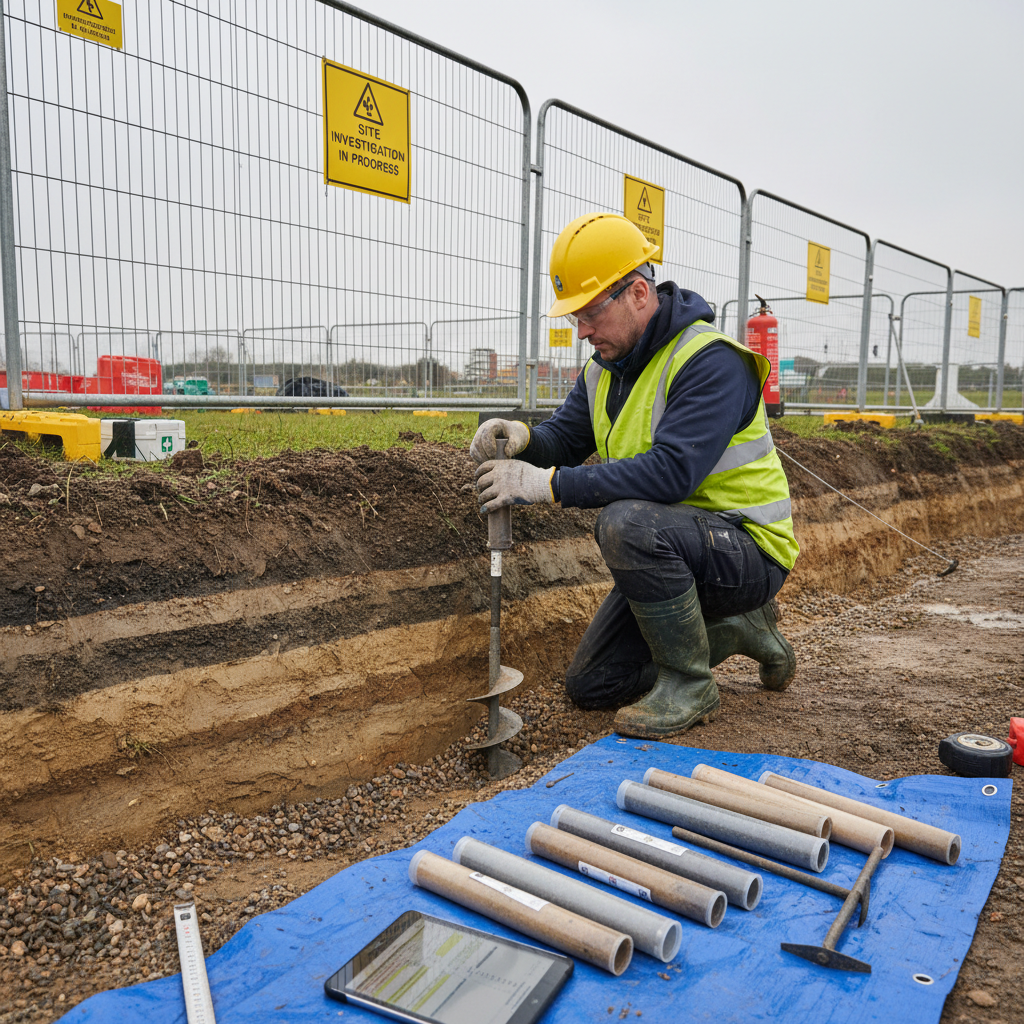
A comprehensive site investigation typically begins with a desk study that examines existing information about the site, including historical maps, previous land uses, and geological surveys. This preliminary research helps identify potential risks such as contamination from former industrial uses, natural ground instabilities, or nearby mining activities that could affect your construction project. Engineers will review records from the British Geological Survey and local authority archives to build an initial understanding of what might be encountered during the physical investigation phase.
Following the desk study, engineers conduct a site walkover to visually assess the terrain and note any visible features like slopes, drainage patterns, or signs of previous development. This phase might also include discussions with neighbours or local authorities who can provide valuable insights about the area’s history. The combined findings from these initial steps help determine what physical investigation methods will be most appropriate for your specific site conditions, whether that’s trial pits, boreholes, or geophysical surveys. According to the Institution of Civil Engineers, these preliminary assessments can identify up to 70% of potential ground-related issues before any physical testing begins.
Ground Investigation Techniques
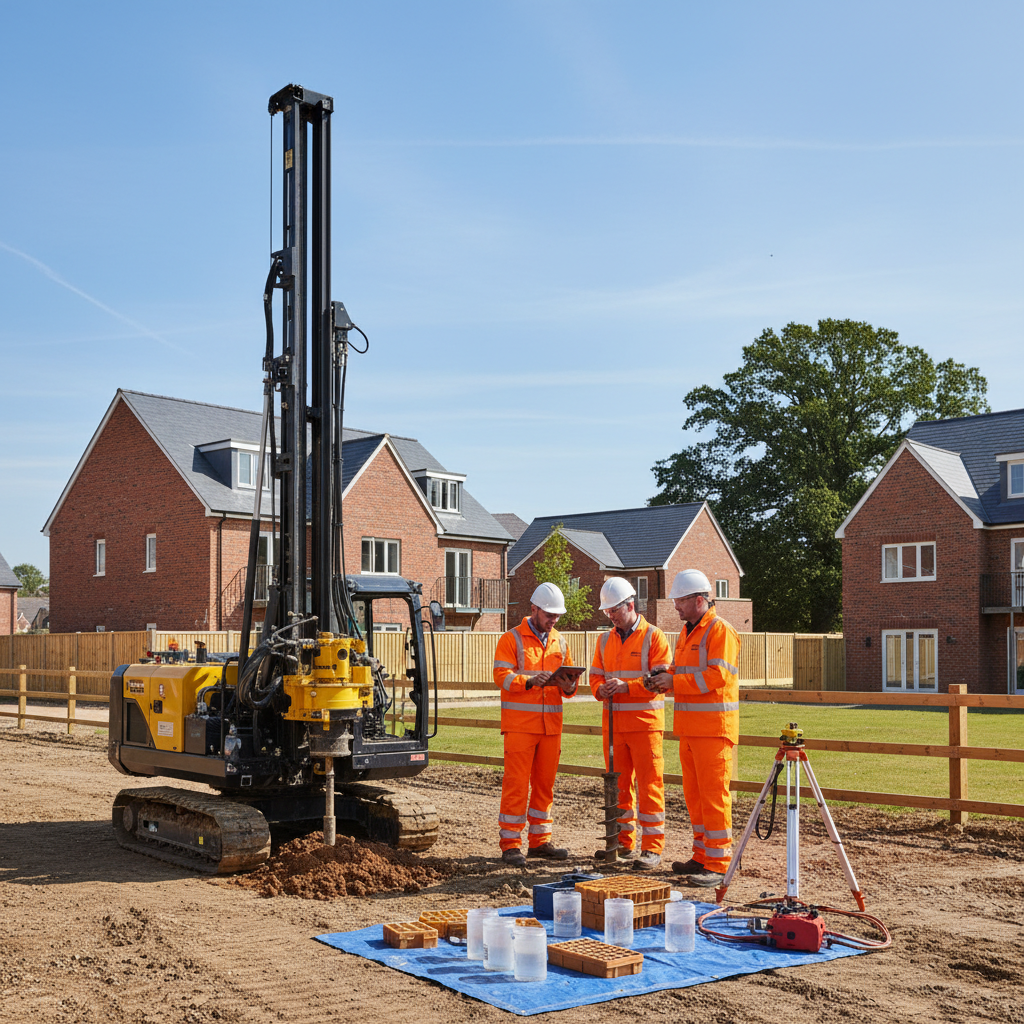
The physical investigation phase employs various methods to collect soil samples and assess ground conditions at different depths. Trial pits—excavated trenches typically 3-4 metres deep—provide a visual cross-section of near-surface soil layers and are particularly useful for examining shallow foundation options. For deeper investigations, engineers use boreholes that can reach depths of 20 metres or more, extracting core samples that reveal the soil composition, strength, and structure at various depths beneath your site.
Specialised testing techniques supplement these basic methods, including in-situ tests like Standard Penetration Tests (SPT) that measure soil density and strength, or laboratory analysis of soil samples to determine properties such as moisture content, plasticity, and chemical composition. For larger projects or sites with complex geology, geophysical surveys using ground-penetrating radar or electrical resistivity techniques may be employed to create detailed subsurface profiles without extensive excavation. The specific combination of investigation methods will be tailored to your project’s scale, budget, and risk profile, ensuring that engineers gather the most relevant data for foundation design decisions. You can learn more about how this information affects choosing the right foundation system for your specific needs.
Understanding Geotechnical Reports
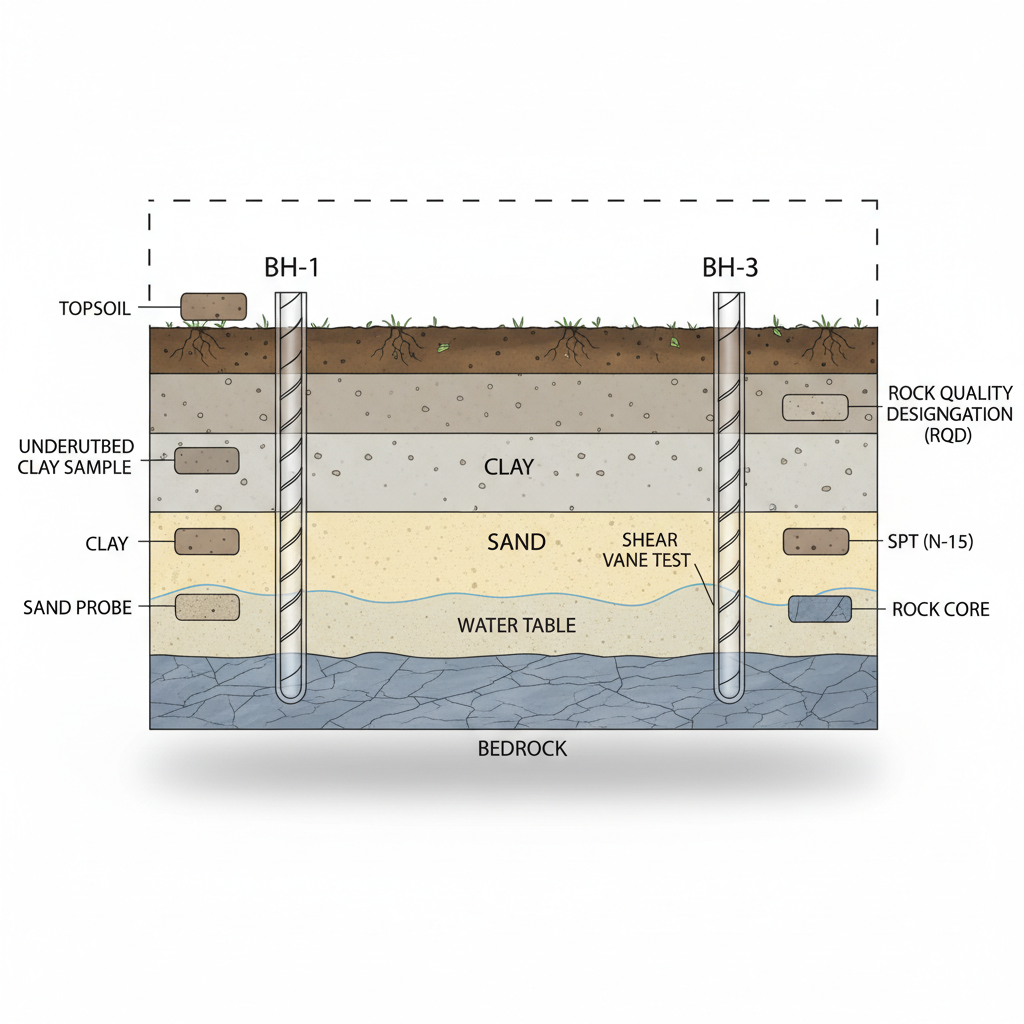
Geotechnical reports translate complex site investigation findings into practical engineering recommendations. These documents typically contain detailed logs of trial pits and boreholes, laboratory test results, and an interpretation of what these findings mean for your project. The report will identify the bearing capacity of different soil layers—essentially how much weight they can support—and highlight any challenging conditions like expansive clays, loose fills, or high groundwater tables that might affect foundation design.
A well-prepared geotechnical report goes beyond simply presenting data; it provides specific recommendations for foundation types suited to the ground conditions identified. For example, if the investigation reveals firm clay at a reasonable depth, the report might recommend traditional strip foundations, whereas areas with poor soil might require piled foundations or ground improvement techniques. The British Standard BS 5930 provides guidelines for site investigations and report preparation, ensuring that geotechnical reports contain the information structural engineers need for safe design. These reports also address potential construction challenges like excavation stability, dewatering requirements, and suitable reuse of excavated materials, helping to prevent unexpected issues during the building phase. Understanding how soil type affects foundation stability is crucial, as explained in our article on soil type and foundation stability.
From Investigation to Foundation Design
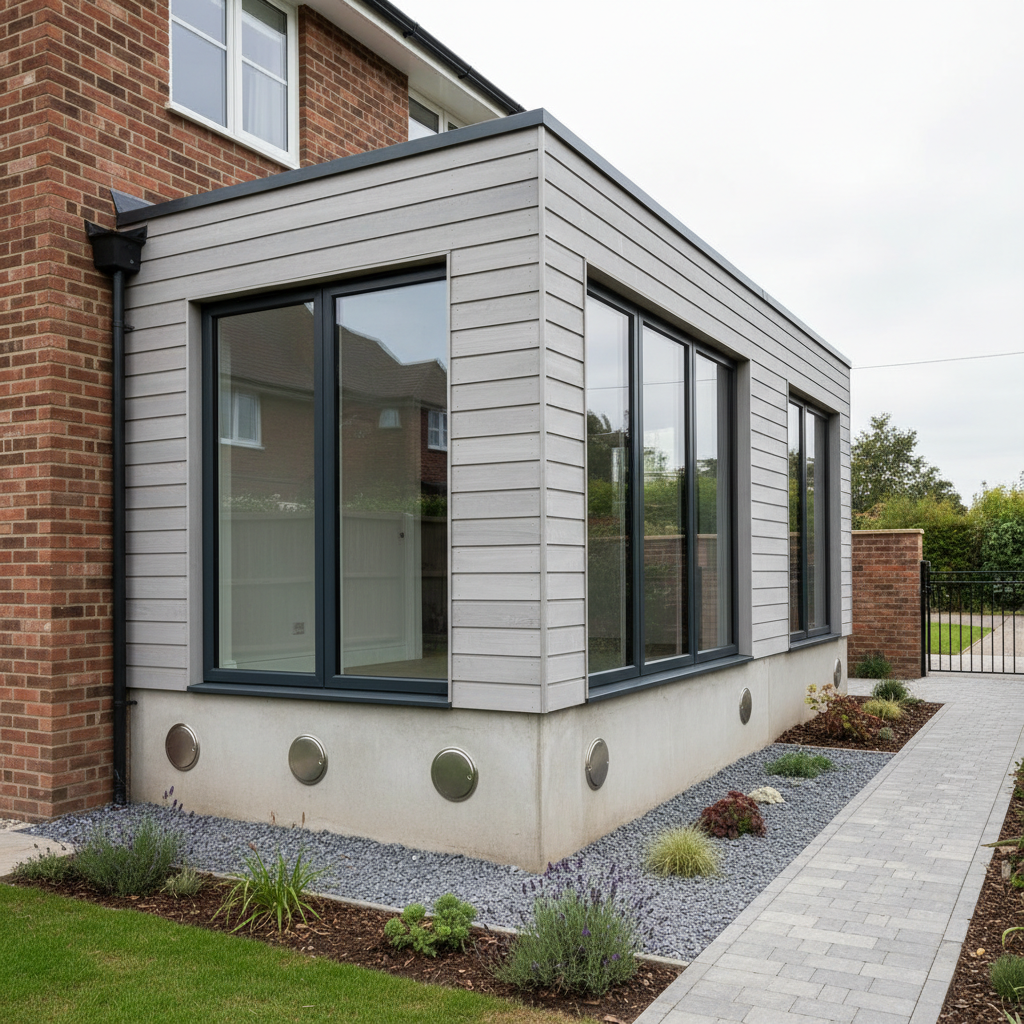
Structural engineers use geotechnical report data to develop foundation designs that appropriately respond to site-specific conditions. This translation from soil data to structural solution requires careful consideration of building loads, settlement tolerances, and long-term ground behaviour. Engineers calculate the distribution of building loads through the foundation system and into the supporting soil, ensuring that stresses remain within the safe bearing capacity identified in the geotechnical report.
Different foundation solutions offer varying advantages depending on ground conditions. For stable soils, traditional shallow foundations like strip footings or raft slabs may provide cost-effective solutions. Sites with problematic soils might require deeper foundations that transfer loads to more competent strata, or ground improvement techniques that enhance the soil’s properties before construction begins. According to the Royal Institute of Chartered Surveyors, appropriate foundation design based on thorough site investigation can reduce the risk of structural movement by up to 85% compared to designs using assumed ground conditions. The foundation design process also considers practical aspects like construction methods, site access, and potential impacts on neighbouring properties. For existing buildings with foundation concerns, a structural inspection report may be necessary to evaluate conditions.
Monitoring During Construction
The value of site investigations extends into the construction phase, where ongoing monitoring verifies that actual ground conditions match those predicted in the geotechnical report. Construction teams should document soil conditions encountered during excavation and foundation installation, comparing them with the investigation findings. Any significant discrepancies—such as unexpected soil types, buried obstructions, or higher groundwater levels—should be reported to the structural engineer for assessment and potential design adjustments.
Modern construction projects increasingly incorporate instrumented monitoring systems that track ground movement, groundwater pressure, and foundation performance during and after construction. These systems provide real-time data that can alert teams to developing issues before they become serious problems. The Construction Industry Research and Information Association recommends that at least 5% of a project’s foundation budget be allocated to verification testing and monitoring during construction. This investment in ongoing assessment helps ensure that the foundation system performs as designed and provides early warning of any conditions that might require remedial action. By maintaining vigilance throughout the construction process, teams can address ground-related challenges promptly, maintaining both the project schedule and the long-term integrity of the structure.